
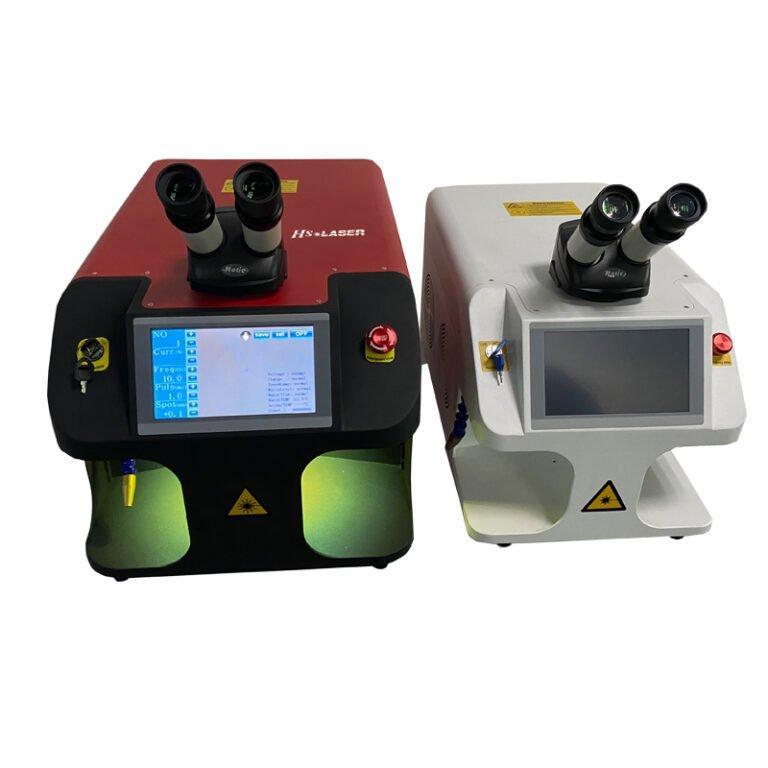
Jewellery repair has always needed a steady hand and a small flame, but some jobs are too fine for heat that spreads. A tiny prong next to a heat-sensitive stone, or a thin chain link that must be joined without marking the metal around it, calls for a different tool. A jewelry laser welding machine manufacturer builds the machines that do this work, and understanding what they offer helps a workshop choose between repairing in-house and sending work out.
The machine itself is only part of the story. The manufacturer designs the laser source, the working chamber, and the controls, and usually supplies training, spare parts, and support after the sale. This article explains how the machines work, what to look for in the company behind them, and where laser welding fits in a jewellery workshop.
How the welding actually works
A laser welder focuses a short burst of light energy onto a very small spot, often less than a millimetre across. That spot heats up fast enough to melt the metal, while the area around it stays cool. The operator watches the joint through a microscope or on a screen and fires the laser in short pulses, building up the weld a little at a time. Because the heat stays local, stones, enamel, and nearby detail are far less likely to be damaged than with a torch.
The operator controls the power, the pulse length, and how often the pulses fire. A delicate chain needs low power and short pulses; a thicker shank or a sizing job needs more energy. Most machines let the operator save settings for common jobs, so a ring sizing or a prong repair can be repeated the same way each time. The learning curve is real, but it is shorter than most people expect once they have had a day of guided practice.
What the machines are used for
In a repair workshop, the common jobs are ring sizing, fixing broken chains, rebuilding worn prongs, and reattaching settings that have come loose. Laser welding handles all of these without removing stones, which saves time and avoids the risk of a stone loosening during heating. It is also used for building up worn areas, such as the back of a ring shank, by adding small amounts of metal and then filing the shape back.
Manufacturers also use these machines in production, for joining small components and for work on pieces that are too delicate for other methods. Some machines are compact enough to sit on a bench in a small workshop, while larger ones suit factories with higher volumes. The right size depends on how many pieces pass through the bench each week, not on the size of the room.
Choosing the company, not just the machine
A laser welder is a long-term purchase, so the company behind it matters as much as the machine itself. Ask how training is delivered, whether it is included, and what happens when something breaks. A manufacturer that answers quickly, keeps common spare parts in stock, and can talk an operator through a problem on the phone will save a workshop days of lost work over the life of the machine.
Also ask about the laser source and the working chamber. The source decides how fine the weld can be and how much power is available; the chamber decides how comfortable the work is over a full day. If possible, watch a demonstration with your own typical jobs, not just a polished sales sample. A machine that handles your hardest repair well is the one to buy.
What to check before ordering
Before committing, confirm the practical details: the power supply your workshop needs, the space the machine takes up, and what extraction or ventilation is required for the fumes from welding. Check the warranty terms and what is covered, and ask for the names of other workshops using the same model. A short conversation with an existing user often tells you more than a brochure ever will.
Finally, ask what support looks like in the first month. A good supplier will check in after delivery, help with the first tricky jobs, and answer questions while the operator is still learning. That early support is when most of the value is gained, and it is a fair test of whether the company stands behind the machine it sold you.
A jewelry laser welding machine manufacturer sells more than a box with a laser inside: the machine, the training, and the support after the sale all decide whether the investment pays off. Choose a machine that handles your real repair jobs, from a company that answers the phone when it matters.
Take your time with the decision and use the demonstration to test the jobs you actually do, not the easy ones. Ask the manufacturer plain questions about training, parts, and support, and weigh the answers alongside the machine itself. A careful choice now saves frustration later, and it means the machine will be working for you rather than against you.
