Core Services Provided by Commercial Cleaning Companies
Effective facility care begins with a clear understanding of the services a commercial cleaning company can provide. These services extend far beyond simple tidying, encompassing a range of specialized tasks designed to maintain hygiene, safety, and the longevity of your business assets. A comprehensive scope assessment by a professional cleaning provider will identify critical areas and tailor solutions, ensuring that every corner of your facility meets the highest standards. From routine maintenance to specialized cleaning and stringent sanitation protocols, these services are fundamental to a healthy and productive environment.
Day Porter vs. Janitorial vs. Deep Cleaning Services
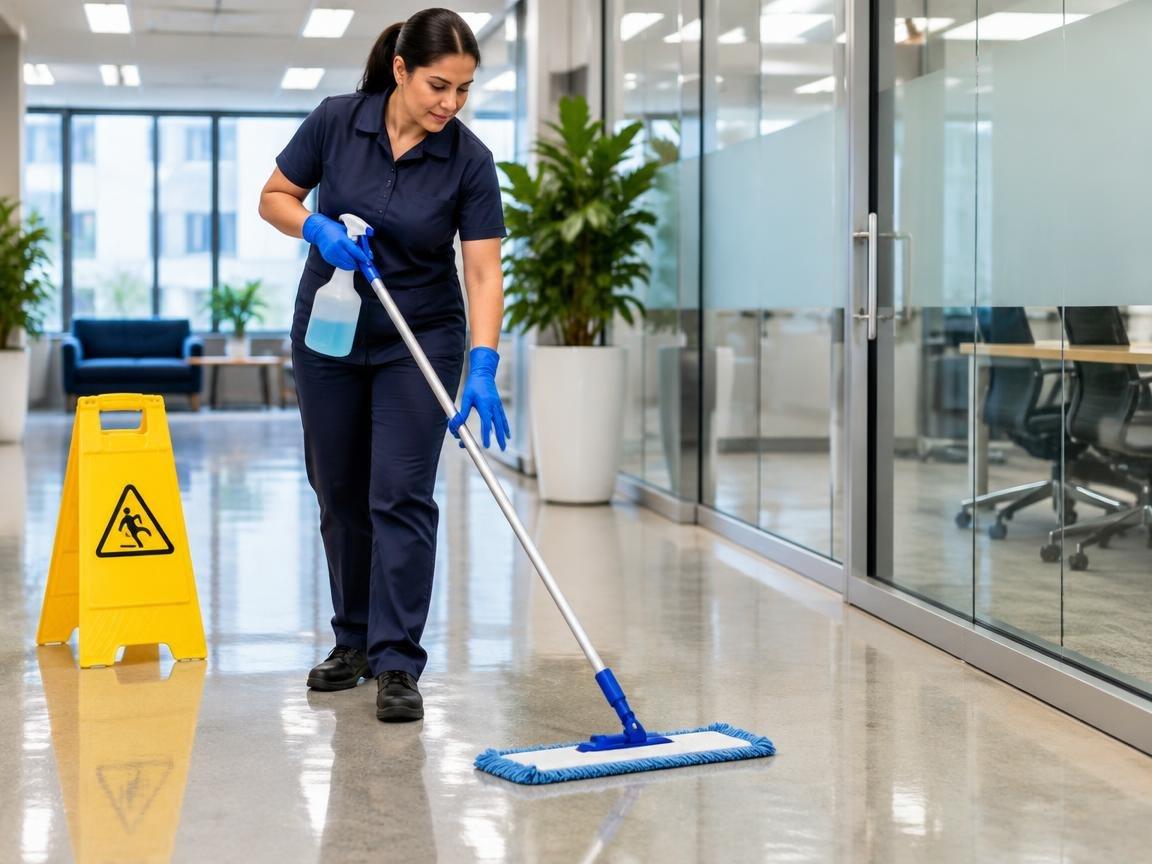
Understanding the distinctions between different levels of cleaning services is crucial for businesses to effectively manage their facility’s upkeep. Each service type caters to specific needs and operational impacts.
- Routine Janitorial Services: These are the backbone of commercial cleaning, focusing on daily or regularly scheduled tasks that maintain a baseline level of cleanliness. This typically includes trash removal, vacuuming, mopping, dusting, and cleaning restrooms and common areas. The goal is consistent upkeep to ensure a pleasant and hygienic environment for daily operations. Companies like Mister Kleen, which provides professional janitorial services to over five million square feet of commercial facilities daily, exemplify the scale and consistency required for routine janitorial care.
- Day Porters: Unlike janitorial staff who often work after hours, day porters operate during business hours. Their role is to maintain the appearance of the facility, address immediate cleaning needs, and support the daily flow of operations. This can include cleaning spills, refreshing restrooms, restocking supplies, setting up for meetings, and ensuring high-traffic areas remain presentable. They are a visible presence, contributing to a consistently clean and professional image throughout the day.
- Deep Cleaning: This service goes beyond routine janitorial tasks, targeting areas and surfaces that accumulate grime over time or require intensive restoration. Deep cleaning is typically performed less frequently—monthly, quarterly, or annually—and involves tasks such as carpet extraction, floor stripping and waxing, high-dusting, thorough disinfection of all surfaces, and detailed cleaning of hard-to-reach areas. It aims to restore the facility to a pristine condition and address issues that routine cleaning cannot.
Here’s a comparison to clarify their operational differences:
Feature Day Porter Standard Janitorial Deep Cleaning Frequency Daily, during business hours Daily, nightly, weekly, or bi-weekly Monthly, quarterly, bi-annually, or annually Scope Visible upkeep, immediate needs, high-traffic Routine maintenance, general hygiene Intensive restoration, detailed sanitation Operational Impact Continuous presence, immediate response Consistent baseline cleanliness, after-hours work Restorative, health-focused, less frequent disruption Specialized Facility and High-Touch Disinfection Protocols
Modern commercial cleaning places a significant emphasis on specialized services, particularly in disinfection and sanitation. The events of recent years have underscored the critical importance of creating environments that are not just clean, but truly safe and healthy.
- Electrostatic Spraying: This advanced disinfection method uses an electrical charge to ensure that disinfectants adhere evenly to surfaces, including hard-to-reach areas. The charged particles wrap around objects, providing comprehensive coverage and maximizing the efficacy of EPA-registered disinfectants. This is particularly effective for high-touch surfaces and large areas, offering superior germ-killing capabilities.
- Terminal Cleaning: Predominantly used in healthcare settings, terminal cleaning is a rigorous process designed to remove all visible and microscopic contaminants from a patient room or operating theater after discharge or a procedure. It involves meticulous cleaning and disinfection of all surfaces, equipment, and fixtures to prevent healthcare-associated infections. JAN-PRO, for example, emphasizes patient-centered cleaning processes that exceed expectations in healthcare settings, often adhering to CDC guidelines for disinfection.
- Post-Construction Cleanup: After construction or renovation, facilities are left with dust, debris, and often hazardous materials. Post-construction cleanup is a specialized service that removes all traces of construction, ensuring the space is safe, clean, and ready for occupancy. This can include extensive dusting, vacuuming, window cleaning, and removal of paint splatters or adhesive residues. Companies like CCS Facility Services offer construction cleanup as part of their comprehensive offerings.
- Cleanroom Sanitation: Industries requiring sterile environments, such as pharmaceutical manufacturing or microelectronics, depend on highly specialized cleanroom cleaning. This involves strict protocols, specialized equipment, and trained personnel to prevent contamination from particles, microorganisms, and other pollutants.
- Air Duct Cleaning: Over time, air ducts accumulate dust, allergens, and mold, impacting indoor air quality. Professional air duct cleaning removes these contaminants, improving air circulation and reducing potential health risks.
- Floor Care: Beyond routine mopping, specialized floor care includes services like stripping and waxing vinyl composite tile (VCT), polishing concrete, and deep cleaning carpets. These services not only enhance the appearance of floors but also protect them, extending their lifespan. For instance, the Boston Cleaning Company has transformed neglected retail stores and church foyers with professional floor stripping and waxing.
Leading companies utilize advanced techniques and adhere to practices set by government agencies to ensure these specialized services are performed to the highest standards.
Key Standards and Qualifications for Reliable Commercial Cleaning
When selecting a commercial cleaning partner, look beyond basic services and delve into the company’s adherence to industry standards, certifications, and quality assurance protocols. These elements are critical indicators of a company’s professionalism, reliability, and commitment to delivering exceptional service.
Industry Certifications and Compliance Standards
Top-tier commercial cleaning companies invest heavily in training and certifications to ensure their staff are knowledgeable, safe, and effective.
- CIMS Certification (Cleaning Industry Management Standard): Developed by ISSA, the leading trade association for the cleaning industry, CIMS is a comprehensive management standard that outlines the primary characteristics of a quality cleaning organization. Achieving CIMS certification, especially CIMS-GB (Green Building), demonstrates a company’s commitment to quality, efficiency, and environmentally sound practices. Maintenance Resources Inc., for example, holds CIMS High Honors certification, an achievement held by less than 4% of all service contractors.
- OSHA Regulations: Compliance with Occupational Safety and Health Administration (OSHA) standards is non-negotiable. This includes proper handling of chemicals (SDS compliance), bloodborne pathogen training, and ensuring a safe working environment for cleaning staff. Mister Kleen, for instance, provides thorough training on OSHA regulations to its staff.
- BSCAI Guidelines (Building Service Contractors Association International): BSCAI provides valuable resources and certifications (like Certified Building Service Executive – CBSE, and Registered Building Service Manager – RBSM) that promote professionalism and best practices within the building services industry. Companies whose leadership holds these certifications, as seen with Mister Kleen, demonstrate a commitment to industry excellence.
- IICRC Standards (Institute of Inspection, Cleaning and Restoration Certification): For services like carpet cleaning, upholstery cleaning, and water damage restoration, IICRC certification signifies that technicians have met rigorous industry standards for technical proficiency and ethical conduct.
- Green Cleaning and LEED Standards: With growing environmental awareness, many businesses seek cleaning providers who utilize eco-friendly products and practices. Companies adhering to green cleaning principles use products with reduced environmental impact, minimize waste, and employ energy-efficient equipment. This aligns with LEED (Leadership in Energy and Environmental Design) certification requirements for buildings, contributing to a healthier indoor environment.
These certifications and compliance standards not only ensure safety and quality but also demonstrate a company’s dedication to continuous improvement and industry leadership.
Quality Assurance Systems and Inspection Protocols
Maintaining consistent quality across diverse facilities and service types requires robust quality assurance systems. Leading commercial cleaning companies implement multi-tiered approaches to guarantee customer satisfaction.
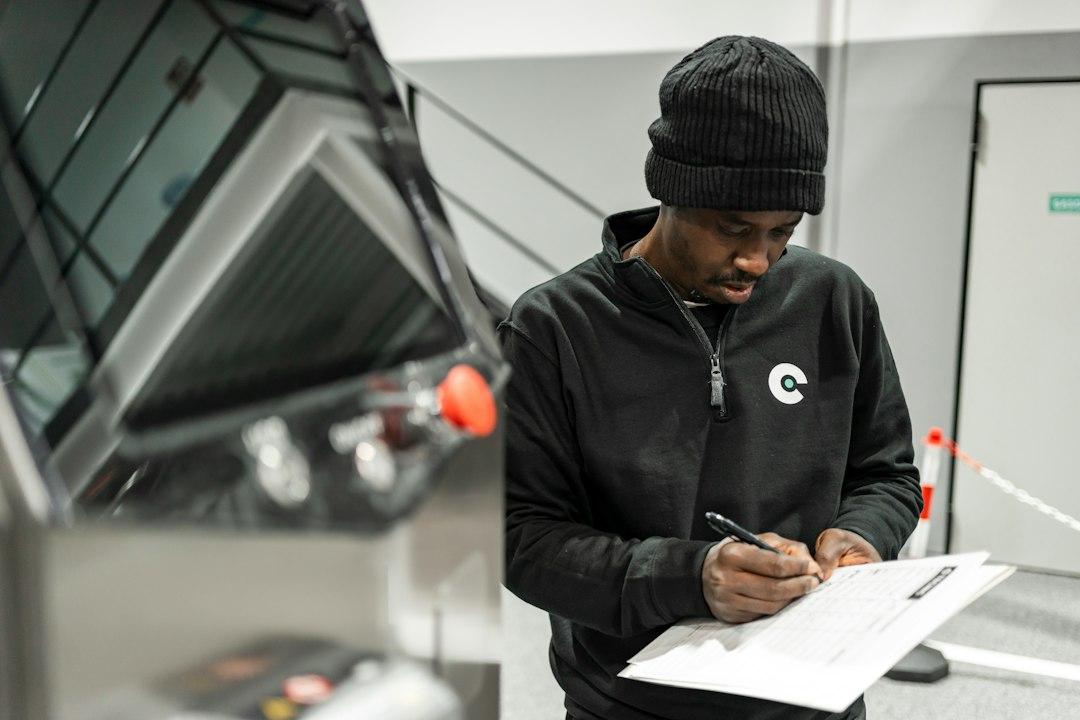
- 50-Point Checklists and Inspection Tracking: Many companies utilize detailed checklists, sometimes with 50 or more points, to guide cleaning staff and ensure thoroughness. These checklists cover every aspect of a cleaning task, from dusting high surfaces to sanitizing doorknobs. JAN-PRO, for example, uses a proprietary JAN-PRO Tracker® system with 50-point checklists and regular inspections to maintain high standards.
- Supervisory Oversight: On-site supervisors and area managers play a crucial role in daily quality control. They conduct regular inspections, provide immediate feedback to cleaning teams, and address any issues proactively. Mister Kleen emphasizes multi-tiered management, including on-site supervisors and area managers, to ensure quality and client satisfaction.
- Client Communication and Resolution Workflows: Effective communication is paramount. This includes regular check-ins with clients, prompt responses to feedback, and established workflows for addressing and resolving any concerns. Companies often provide dedicated client service managers to ensure open lines of communication. ROC Commercial Cleaning, trusted by over 400 businesses with several contracts spanning decades, highlights the importance of strong client relationships.
- Proprietary Processes and Technology: Some companies develop their own proprietary cleaning processes or leverage technology for enhanced efficiency and quality. This can include specialized equipment, unique cleaning methodologies, or software for scheduling and tracking. CCS Facility Services, for instance, integrates cutting-edge cleaning technology for precision sanitization and offers a “tech-forward maintenance” approach. ABM, with over 100 years of commercial cleaning experience, cleans over 6 billion square feet of building space daily, showcasing the power of established processes and scale.
These systems collectively ensure that cleaning standards are consistently met, issues are quickly identified and resolved, and clients receive the high-quality service they expect.
Evaluating In-House vs. Outsourced Commercial Cleaning
One of the fundamental decisions a business faces is whether to manage cleaning services in-house or to outsource to a professional commercial cleaning company. This choice has significant implications for costs, resource allocation, and operational efficiency.
Cost and Resource Comparison
The financial implications of in-house versus outsourced cleaning extend beyond hourly wages.
- Payroll Taxes and Workers’ Compensation: When employing an in-house cleaning staff, businesses are responsible for all associated payroll taxes, workers’ compensation insurance, and benefits (e.g., vacation, sick leave, health insurance). These costs can quickly accumulate and often exceed the perceived savings of direct employment. As the Boston Cleaning Company points out, in-house cleaners can lead to excessive costs in workman’s comp, payroll taxes, vacations, and benefits.
- Equipment Purchasing and Maintenance: Maintaining an in-house team requires significant capital investment in cleaning equipment (vacuums, floor buffers, carpet extractors, etc.) and ongoing costs for maintenance, repairs, and replacement.
- Chemical Inventory and Supply Chain: Businesses must also manage the procurement, storage, and inventory of cleaning chemicals and supplies. This includes ensuring compliance with safety data sheets (SDS) and proper disposal. Outsourcing shifts these responsibilities and costs to the cleaning provider, who benefits from economies of scale and established supply chains.
- Training and Supervision: Training in-house staff on proper cleaning techniques, safety protocols, and new equipment is an ongoing expense. Additionally, businesses must allocate internal management resources for supervision and quality control. Professional cleaning companies already have established training programs and supervisory structures in place.
Here’s a comparative look at the two approaches:
Feature In-House Cleaning Staff Outsourced Commercial Cleaning Costs Payroll, benefits, workers’ comp, equipment, supplies, training Contracted service fee (all-inclusive) Liability Direct employer liability Transferred to cleaning company Equipment Purchase, maintenance, storage Provided by cleaning company Scalability Fixed staff, difficult to scale up/down Flexible, easily scaled to changing needs Management Burden High (hiring, training, supervision, scheduling) Low (vendor management, quality checks) Operational Flexibility and Risk Mitigation
Beyond direct costs, outsourcing commercial cleaning offers substantial operational benefits and mitigates various risks.

- Staffing Shortages and Turnover: Managing an in-house cleaning team means dealing with absenteeism, vacations, and employee turnover, which can lead to inconsistent cleaning or increased workload for existing staff. Outsourced providers have larger teams and robust contingency plans to ensure continuous service, even during staff absences. KG Facility Solutions, for example, boasts 500+ team members, ensuring ample staffing.
- Emergency Response: Professional cleaning companies are equipped to handle unexpected emergencies, such as floods, spills, or urgent deep cleaning needs, often with rapid response times. This capability is difficult and costly to maintain with an in-house team. CCS Facility Services highlights its support for environments with quick response times.
- Liability Insurance: Commercial cleaning companies carry comprehensive liability insurance, protecting your business from claims related to accidents, injuries, or property damage that may occur during cleaning operations. This significantly reduces your company’s exposure to risk.
- Cross-Contamination Prevention: Professional cleaners are trained in protocols to prevent cross-contamination, especially critical in healthcare or food service environments. They use color-coded systems, specialized equipment, and proper disinfection techniques to maintain hygienic standards.
- Commercial Contracts and SLAs: Outsourcing allows businesses to establish clear commercial contracts with service level agreements (SLAs) that define expectations, performance metrics, and recourse for unmet standards. This provides a clear framework for accountability and quality assurance.
By outsourcing, businesses can focus on their core operations, confident that their cleaning needs are handled by experts, reducing administrative burden and financial risk.
How to Vet and Select a Commercial Cleaning Partner
Choosing the right commercial cleaning partner is a strategic decision that impacts your business’s image, health, and operational efficiency. A thorough vendor evaluation process, often involving an RFP (Request for Proposal), is essential to define your scope of work and ensure service guarantees. When seeking a Reliable Denver commercial cleaning service, or anywhere else, it’s crucial to look for specific attributes that indicate professionalism and a commitment to quality.
Assessing Service Agreements
The service agreement is the blueprint for your cleaning partnership. It should be clear, comprehensive, and tailored to your specific needs.
- Contract Terms: Review the length of the contract, renewal clauses, and termination policies. Ensure they are fair and allow for flexibility if your business needs change.
- SLA Metrics: Service Level Agreements (SLAs) should clearly define performance expectations, including cleaning frequencies, specific tasks for each area, and acceptable quality standards. How will performance be measured? What are the escalation procedures if standards are not met?
- Flexible Scheduling: Your business operations may require cleaning outside of standard hours or on specific days. Ensure the cleaning company can accommodate your schedule, whether it’s daily, nightly, weekly, or monthly. Office Pride of Huntsville, for example, offers flexible hours, including standard business hours and customized service times.
- Pricing Structures: Understand how pricing is determined—per square foot, per hour, or a fixed monthly fee. Request a detailed breakdown of costs to ensure transparency and avoid hidden fees. Compare quotes from multiple providers, but the lowest price doesn’t always equate to the best value.
- Transparent Billing: The invoice should clearly reflect the services provided and the agreed-upon rates. Any additional charges should be pre-approved.
- Cancellation Policies: Understand the terms for canceling the service, including notice periods and any associated fees.
Implementing Onboarding Plans
Once you’ve selected a partner, a smooth onboarding process is critical for a successful long-term relationship.
- Facility Walkthroughs: A detailed walkthrough of your facility with the cleaning company’s management team is essential. This allows them to understand the layout, identify critical areas, note specific cleaning requirements, and assess any unique challenges.
- Security Clearance and Key Management: Discuss security protocols, background checks for cleaning staff (a practice emphasized by the Boston Cleaning Company), and secure key management procedures. Ensure all staff accessing your facility are properly vetted and trustworthy.
- Transition Timelines: Establish a clear timeline for the transition, especially if you are switching from a previous provider. This includes staff training, equipment setup, and the initial cleaning schedule.
- Baseline Audits: Conduct an initial audit of the facility’s cleanliness before the new service begins. This establishes a baseline against which future performance can be measured and ensures all initial deep cleaning needs are addressed.
By meticulously assessing service agreements and implementing a structured onboarding plan, businesses can lay the groundwork for a productive and reliable commercial cleaning partnership.
Frequently Asked Questions About Commercial Cleaning Services
Navigating the nuances of commercial cleaning can bring up several common questions for businesses. Here, we address some of the most frequently asked queries to provide clarity and guidance.
What is the difference between regular janitorial service and commercial deep cleaning?
The primary distinction lies in their scope, frequency, and objective.
- Regular Janitorial Service focuses on routine upkeep and maintaining a consistent level of cleanliness. This includes daily or frequent tasks such as surface dusting, vacuuming, mopping, trash removal, and basic restroom sanitation. Its goal is to keep the facility presentable and hygienic for everyday operations.
- Commercial Deep Cleaning, conversely, is a more intensive, restorative service performed less frequently. It targets accumulated grime, hidden dirt, and areas that require specialized attention. This can involve tasks like carpet extraction, floor stripping and waxing, high-dusting of vents and light fixtures, detailed sanitation of all surfaces, and thorough cleaning of hard-to-reach spots. Its objective is to restore the facility to a pristine condition, address specific hygiene concerns, and extend the lifespan of surfaces and materials.
How often should a commercial facility undergo professional disinfection?
The ideal frequency for professional disinfection depends on several factors:
- Traffic Volume: High-traffic facilities (e.g., retail, healthcare, educational institutions) require more frequent disinfection due to higher exposure to pathogens.
- High-Touch Surfaces: Areas with numerous high-touch surfaces (doorknobs, light switches, elevator buttons, shared equipment) should be disinfected daily, or even multiple times a day, especially during peak usage.
- Seasonal Illness and Outbreaks: During flu season or periods of increased local illness, disinfection frequency should be increased to help prevent the spread of germs.
- Facility Type: Healthcare facilities, food service establishments, and cleanrooms have stringent disinfection requirements that often mandate daily or even continuous sanitization cycles. Office environments might require weekly or bi-weekly deep disinfection.
- Facility Size: Larger facilities may implement a rotating schedule for deep disinfection across different zones.
Many businesses opt for daily routine disinfection of high-touch areas as part of their janitorial service, complemented by weekly or monthly comprehensive disinfection treatments, particularly using advanced methods like electrostatic spraying.
What certifications indicate a high standard of commercial cleaning quality?
Several certifications and professional standards signal a commercial cleaning company’s commitment to quality, safety, and industry best practices:
- CIMS (Cleaning Industry Management Standard) with High Honors: This certification from ISSA indicates that a company operates at the highest levels of professionalism and quality management. Achieving “High Honors” signifies exceptional adherence to the standard. As noted, less than 4% of service contractors achieve this, making it a strong indicator of excellence.
- IICRC (Institute of Inspection, Cleaning and Restoration Certification): For specialized services like carpet, upholstery, and water damage cleaning, IICRC certification ensures technicians are trained to industry-recognized standards.
- RBSM (Registered Building Service Manager) and CBSE (Certified Building Service Executive): These certifications from BSCAI indicate that a company’s management and leadership possess advanced knowledge in building services operations and management.
- OSHA Compliance: A company’s strict adherence to OSHA safety regulations demonstrates a commitment to workplace safety for their employees and for your facility. This includes proper handling of chemicals, use of personal protective equipment (PPE), and bloodborne pathogen training.
- Green Cleaning Certifications: Adherence to green cleaning standards (e.g., through certified products, sustainable practices) reflects a commitment to environmental responsibility and healthier indoor air quality.
When vetting potential cleaning partners, inquiring about these certifications and standards provides valuable insight into their operational excellence and dedication to delivering high-quality, safe, and effective cleaning services.
Conclusion
The decision to partner with a professional commercial cleaning service is an investment in your business’s overall wellness, contributing significantly to a healthy, productive, and impressive environment. From ensuring pristine first impressions to safeguarding indoor environmental quality and operational efficiency, the benefits are far-reaching.
By understanding the diverse range of services—from day porter and routine janitorial to specialized deep cleaning and advanced disinfection protocols—businesses can tailor solutions that precisely fit their needs. Emphasizing industry certifications like CIMS, IICRC, and adherence to OSHA standards ensures that you select a partner committed to quality, safety, and professionalism. The strategic advantages of outsourcing, including cost efficiency, risk mitigation, and operational flexibility, further underscore the value of professional cleaning.
A reliable commercial cleaning partner acts as an extension of your team, providing long-term value through asset preservation, consistent hygiene, and a commitment to workplace safety. By asking the right questions, assessing service agreements thoroughly, and implementing a robust onboarding plan, businesses can forge partnerships that deliver not just clean spaces, but peace of mind and a foundation for continued success.
