

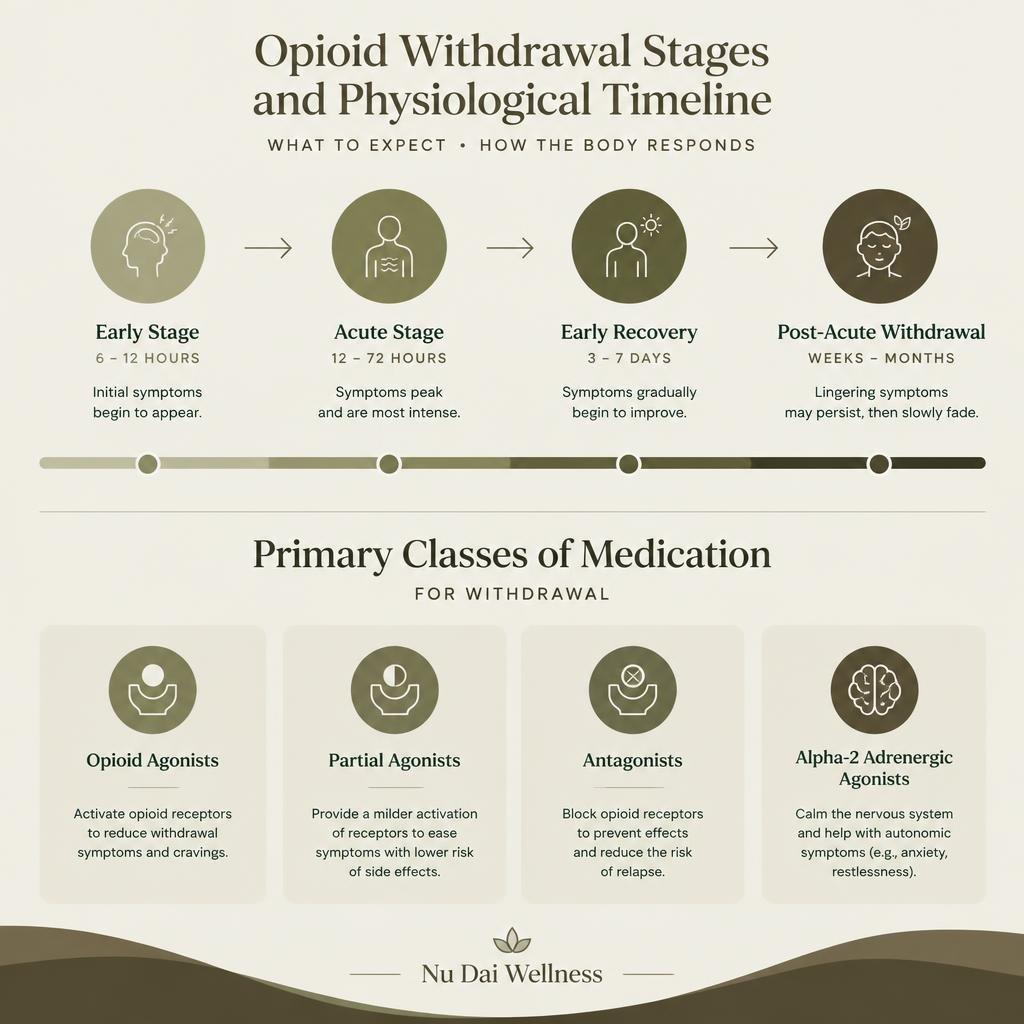
Managing opioid withdrawal effectively often requires a multi-faceted approach, with medication playing a central role in alleviating distress and preventing complications. We categorize these medications based on their interaction with opioid receptors and their primary mechanism of action. Understanding these distinctions is crucial for tailoring treatment to individual needs.
The main classes include opioid agonists, partial agonists, antagonists, and alpha-2 adrenergic agonists. Each class works differently to address the complex physiological changes that occur when opioid use ceases, ranging from managing intense cravings to stabilizing autonomic nervous system hyperactivity.
Here’s a comparison of these primary classes:
Feature Full Agonists (e.g., Methadone) Partial Agonists (e.g., Buprenorphine) Antagonists (e.g., Naltrexone) Alpha-2 Agonists (e.g., Lofexidine, Clonidine) Pharmacodynamics Fully activate opioid receptors Partially activate opioid receptors Block opioid receptors Reduce norepinephrine release Receptor Affinity High Very High Very High Non-opioid receptor interaction Intrinsic Efficacy Full Partial None N/A (non-opioid) Autonomic Stabilization Directly reduces withdrawal symptoms Reduces withdrawal symptoms, less sedation Indirect (prevents relapse) Directly reduces sympathetic overdrive Clinical Indications Severe withdrawal, long-term maintenance Moderate withdrawal, maintenance, detox Relapse prevention (post-detox) Acute withdrawal symptom management Selecting the Right Medication for Withdrawal Based on Clinical Needs
The selection of an appropriate medication for opioid withdrawal is a highly individualized process, considering factors such as the severity of dependence, co-occurring medical or psychiatric conditions, and the patient’s long-term recovery goals. For individuals with severe, long-standing opioid dependence, methadone maintenance may be the most suitable option, providing comprehensive symptom relief and reducing cravings. For others, buprenorphine induction, often combined with naloxone, offers a flexible approach that can be initiated in various clinical settings, including outpatient programs.
Outpatient feasibility is a significant consideration. Medications like buprenorphine/naloxone and lofexidine can often be prescribed in an outpatient setting, making treatment more accessible. However, careful individual risk assessment is paramount to ensure patient safety and treatment adherence. This assessment includes evaluating the risk of precipitated withdrawal, potential cardiac issues, and the patient’s support system. For those seeking comprehensive support and personalized guidance through this process, exploring options for effective medication for withdrawal can be a crucial first step toward recovery.
Receptor Mechanisms: Agonists, Partial Agonists, and Antagonists
At the heart of opioid withdrawal management lies the intricate interaction of medications with the mu-opioid receptor system. This system is responsible for mediating the euphoric and pain-relieving effects of opioids, but also the severe withdrawal symptoms when opioids are removed.
- Full Agonists: Medications like methadone are full opioid agonists. They fully activate mu-opioid receptors, effectively replacing the illicit opioid and preventing withdrawal symptoms. Methadone has a long half-life, allowing for once-daily dosing, which helps stabilize patients and reduce the “peaks and troughs” associated with short-acting opioids.
- Partial Agonists: Buprenorphine is a partial opioid agonist. It binds strongly to mu-opioid receptors but produces only a partial activation, even at high doses. This characteristic gives buprenorphine a “ceiling effect,” meaning that beyond a certain dose, its opioid effects do not increase significantly, which can lower the risk of respiratory depression compared to full agonists. When combined with naloxone (e.g., in buprenorphine/naloxone formulations), the naloxone component is inactive if taken as prescribed sublingually but can precipitate withdrawal if the medication is injected, deterring misuse.
- Antagonists: Naltrexone is an opioid antagonist. It binds to opioid receptors but does not activate them; instead, it blocks opioids from binding and exerting their effects. This blockade is crucial for relapse prevention, as it eliminates the euphoric effects of opioids. However, naltrexone must only be initiated after a patient is completely opioid-free for a minimum of 7-10 days to avoid precipitating a sudden, severe withdrawal syndrome.
Alpha-2 Adrenergic Agonists: Lofexidine and Clonidine
Unlike opioid agonists or antagonists, alpha-2 adrenergic agonists work on a different pathway entirely. Opioid withdrawal is characterized by hyperactivity of the sympathetic nervous system, often referred to as “sympathetic overdrive,” which is driven by an excess release of norepinephrine from the locus coeruleus in the brain.
- Mechanism: Lofexidine and clonidine are central alpha-2 adrenergic agonists. They bind to alpha-2 receptors in the brain, particularly in the locus coeruleus, which then reduces the release of norepinephrine. This action effectively calms the overactive sympathetic nervous system, alleviating many of the physical symptoms of opioid withdrawal, such as anxiety, sweating, muscle aches, and gastrointestinal distress.
- Lofexidine vs. Clonidine: While both are effective, lofexidine (marketed as LUCEMYRA) is the only non-opioid medication specifically FDA-approved in the United States for mitigating opioid withdrawal symptoms in adults. Clinical trials show that lofexidine is more effective than placebo in managing opioid withdrawal, with a risk ratio of 0.32 for severe withdrawal (95% CI 0.18 to 0.57; 3 studies; 148 participants). It also leads to significantly higher rates of treatment completion compared to placebo (risk ratio 1.95, 95% CI 1.34 to 2.84). Lofexidine tends to have a more favorable hemodynamic profile than clonidine, causing less blood pressure reduction, which can be a significant advantage for patient safety. However, hypotensive or other adverse effects were significantly more likely with alpha-2 adrenergic agonists compared to reducing doses of methadone (risk ratio 1.92, 95% CI 1.19 to 3.10; 6 studies; 464 participants).
- ASAM Guidelines: The American Society of Addiction Medicine (ASAM) guidelines recognize the utility of alpha-2 adrenergic agonists as part of non-opioid detoxification protocols, particularly for patients who may not be candidates for buprenorphine or methadone, or as an adjunct to these therapies.
Clinical Protocols, Dosing, and Safety Considerations
Effective management of opioid withdrawal requires meticulous clinical protocols, precise dosing, and vigilant safety monitoring. These elements ensure patient comfort and minimize risks during a vulnerable period.
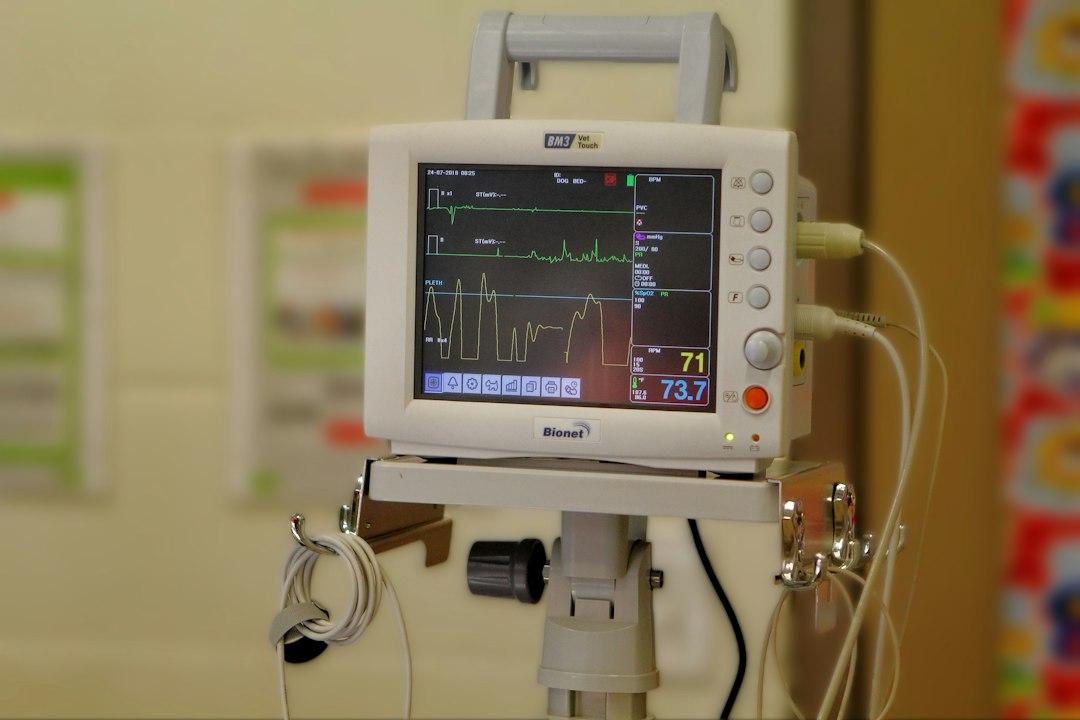
Medications for opioid withdrawal are typically administered using symptom-triggered protocols, guided by clinical assessment tools such as the Clinical Opiate Withdrawal Scale (COWS). This scale quantifies withdrawal severity, allowing clinicians to adjust medication doses based on real-time patient symptoms rather than a fixed schedule. This approach optimizes symptom relief while reducing the risk of over-sedation or other adverse effects. Regular vital signs monitoring (blood pressure, heart rate, respiratory rate) is essential, especially with medications that can affect cardiovascular function, like alpha-2 adrenergic agonists.
Tapering Protocols and Discontinuation of Medication for Withdrawal
The goal of withdrawal medication is to ease the transition off opioids, and this often involves a gradual reduction or tapering of the medication itself to prevent rebound symptoms.
- Lofexidine Tapering: Lofexidine is typically used for a short duration, often up to 14 days. Discontinuation requires a gradual taper over 2-4 days to avoid a sudden rise in blood pressure and other discontinuation symptoms like anxiety or insomnia. For instance, a common tapering schedule might involve reducing the dose by one tablet per dose every 1-2 days. In clinical trials, 41% of patients receiving lofexidine 2.16 mg/day and 40% receiving 2.88 mg/day completed 7 days of treatment, compared to 28% on placebo.
- Methadone Tapering: Methadone tapers can be quite prolonged, sometimes lasting weeks or even months, depending on the patient’s stability and the duration of their maintenance therapy. The slow reduction helps prevent severe withdrawal and allows the patient to adjust psychologically.
- Buprenorphine Step-Down: Buprenorphine is often tapered over several days to weeks. The partial agonist properties and high receptor affinity of buprenorphine mean that withdrawal symptoms upon discontinuation are generally less severe than with full agonists, but a structured step-down protocol is still necessary.
Safety Monitoring: Cardiovascular Risks and Precipitated Withdrawal
Safety is paramount when administering medications for opioid withdrawal, given the potential for significant adverse effects.
Common symptoms of opioid withdrawal include:
- Early symptoms (typically within 12-30 hours after last opioid use): Agitation, anxiety, muscle aches, increased tearing (lacrimation), insomnia, runny nose (rhinorrhea), sweating, yawning.
- Late symptoms (peaking around 48-72 hours): Abdominal cramping, diarrhea, dilated pupils, goosebumps (piloerection), nausea, vomiting.
Medications help alleviate these by addressing the underlying physiological mechanisms. For instance, alpha-2 agonists target the sympathetic overdrive, reducing many of the physical symptoms.
Specific safety concerns include:
- Orthostatic Hypotension and Bradycardia: Alpha-2 adrenergic agonists like lofexidine and clonidine can cause a significant drop in blood pressure upon standing (orthostatic hypotension) and a slowed heart rate (bradycardia). In clinical trials for lofexidine, orthostatic hypotension occurred in 29-42% of patients, bradycardia in 24-32%, and hypotension in 30%. Patients must be advised to rise slowly and stay hydrated.
- QTcF Prolongation: Lofexidine can prolong the QT interval, which, in rare cases, can lead to serious cardiac arrhythmias. The maximum mean change from baseline in QTcF was 14.4 msec (90% CI: 22.3 msec) at single doses of 1.44 mg to 1.8 mg. This risk is heightened with higher doses, in patients with pre-existing cardiac conditions, electrolyte imbalances, or when co-administered with other QT-prolonging drugs (e.g., methadone). ECG monitoring may be necessary for at-risk individuals.
- Precipitated Withdrawal: This is a severe, acute withdrawal syndrome triggered when an opioid antagonist (like naltrexone) or a partial agonist (like buprenorphine) is administered to an individual who still has full opioid agonists in their system. For naltrexone, a minimum 7-10 day opioid-free interval is critical before initiation.
Special Populations: Hepatic, Renal, and Pregnancy Considerations
Tailoring medication regimens for special populations is essential to ensure both efficacy and safety.
- Hepatic and Renal Impairment: Medications are often metabolized by the liver or excreted by the kidneys. For drugs like lofexidine, dosage adjustments are crucial for patients with hepatic or renal impairment to prevent accumulation and increased side effects. For example, for severe hepatic impairment, lofexidine dosage may be reduced to one 0.18 mg tablet four times daily, compared to the standard three tablets. Similar reductions apply for renal impairment, as the body’s ability to clear the drug is compromised.
- Pregnancy: Managing opioid withdrawal in pregnant women requires careful consideration to protect both the mother and the fetus. Abrupt opioid cessation can lead to fetal distress or preterm labor. Methadone and buprenorphine are generally considered the standard of care for opioid use disorder during pregnancy, as they reduce illicit opioid use and improve maternal and neonatal outcomes. Neonatal abstinence syndrome (NAS) is a concern with opioid exposure during pregnancy, and treatment aims to minimize its severity. Alpha-2 agonists like clonidine or lofexidine are sometimes used cautiously, but their safety profile in pregnancy is less established than for buprenorphine or methadone.
- Drug-Drug Interactions: Polydrug use is common among individuals with opioid use disorder. Clinicians must meticulously review all medications, including over-the-counter drugs and supplements, to identify potential interactions. For instance, combining lofexidine with other central nervous system (CNS) depressants (e.g., benzodiazepines, alcohol) can increase sedation and respiratory depression. Co-administration of lofexidine with methadone can increase the risk of QT prolongation, necessitating careful monitoring.
Long-Term Recovery and Relapse Prevention
Successful opioid withdrawal is merely the first step on a longer journey toward sustained recovery. Without robust long-term support and strategies for relapse prevention, the risk of returning to opioid use, and critically, overdose, remains exceptionally high.

After detoxification, individuals experience a significant reduction in opioid tolerance. This means that if they relapse and use the same amount of opioids they used before withdrawal, they are at a much higher risk of fatal respiratory depression and overdose. This vulnerability underscores the importance of comprehensive, ongoing care that integrates medication-assisted treatment (MAT) with counseling and psychosocial support. Organizations like ASAM (American Society of Addiction Medicine) emphasize a continuum of care, advocating for appropriate ASAM levels of care to support individuals through different stages of recovery.
Mitigating Post-Detox Overdose Vulnerability
The period immediately following opioid withdrawal is fraught with danger due to reduced opioid tolerance. A person who has completed withdrawal and then relapses is at a significantly higher risk of a fatal overdose because their body can no longer handle the same dose of opioids it once did.
To mitigate this risk, several strategies are crucial:
- Naloxone Distribution: Providing take-home naloxone kits to patients and their families is a life-saving intervention. Naloxone is an opioid antagonist that can rapidly reverse an opioid overdose.
- Emergency Response Education: Educating patients, family members, and support networks on how to recognize the signs of an overdose and administer naloxone is vital.
- Patient Counseling: Thorough counseling on the dangers of reduced tolerance and the increased risk of overdose post-detoxification is a critical component of discharge planning. Patients should be explicitly warned about this risk.
Behavioral Therapies and Long-Term Maintenance Strategies
Medication-assisted treatment is most effective when combined with comprehensive psychosocial support. This integrated approach addresses not only the physical aspects of addiction but also the psychological, social, and behavioral factors contributing to opioid use disorder.
- Cognitive Behavioral Therapy (CBT): Helps individuals identify and change problematic thought patterns and behaviors related to drug use.
- Contingency Management (CM): Uses positive reinforcement (e.g., vouchers, prizes) to encourage abstinence and adherence to treatment goals.
- Mutual-Help Groups: Programs like Narcotics Anonymous (NA) provide peer support and a structured environment for sustained recovery.
- Extended-Release Naltrexone (VIVITROL): For individuals who have successfully completed detoxification and are opioid-free for 7-10 days, extended-release injectable naltrexone offers a monthly blockade of opioid receptors, preventing relapse and reducing cravings without the daily burden of oral medication. This can be a powerful tool for long-term maintenance and sustained remission.
- Ongoing Maintenance Medications: For many, long-term maintenance with buprenorphine/naloxone or methadone provides stability, reduces cravings, and allows individuals to rebuild their lives. These medications are not merely “substitutes” but are evidence-based treatments that normalize brain chemistry and support recovery.
Frequently Asked Questions About Withdrawal Medications
What is the difference between opioid agonists and alpha-2 adrenergic agonists for withdrawal?
The fundamental difference lies in their mechanism of action. Opioid agonists (like methadone) and partial agonists (like buprenorphine) directly interact with opioid receptors in the brain, essentially “tricking” the brain into thinking it’s still receiving opioids, preventing withdrawal symptoms and reducing cravings. Alpha-2 adrenergic agonists (like lofexidine and clonidine), on the other hand, do not interact with opioid receptors. Instead, they target the overactive sympathetic nervous system that causes many physical withdrawal symptoms. They reduce the release of norepinephrine, calming the body’s stress response without providing any opioid effects.
How long does medication-assisted withdrawal treatment typically last?
The duration of medication-assisted withdrawal treatment varies significantly depending on the medication used and the individual’s treatment goals. Acute withdrawal management with medications like lofexidine or clonidine typically lasts for a short period, often 5-14 days, to alleviate the most severe symptoms. However, if the goal is long-term recovery from opioid use disorder, medications like methadone or buprenorphine/naloxone are often continued for extended periods, sometimes years or even indefinitely, as part of a maintenance treatment plan. Extended-release naltrexone is typically administered monthly for several months or longer to prevent relapse.
Why is there an increased risk of overdose after completing withdrawal?
After completing opioid withdrawal, an individual’s tolerance to opioids significantly decreases. If they relapse and use opioids again, even a dose that they previously tolerated could be lethal. Their body is no longer accustomed to the presence of opioids, and their central nervous system is more sensitive. This reduced tolerance dramatically increases the risk of respiratory depression, which can lead to brain damage or death. This is why comprehensive counseling, access to naloxone, and immediate transition to long-term relapse prevention strategies are critical post-detoxification.
Conclusion
Navigating opioid withdrawal is an arduous journey, but modern medicine offers powerful, evidence-based tools to make it safer and more manageable. By October 2026, our understanding of opioid use disorder continues to evolve, emphasizing individualized clinical care that leverages the unique properties of various medications. Whether it’s the stabilizing effect of opioid agonists, the symptom relief offered by alpha-2 adrenergic agonists, or the protective blockade of antagonists, these drugs for drug withdrawal are critical components of a successful recovery. However, detoxification is just the beginning. A seamless transition to maintenance therapy, combined with robust counseling and psychosocial support, is essential for sustained recovery and preventing the devastating risks of relapse and overdose. Comprehensive recovery planning, tailored to each individual’s needs, remains the cornerstone of overcoming opioid dependence.
