
Quick answer Build a commute kit around things you actually use away from home. Give frequently used items their own accessible pockets, group occasional accessories in a small container, and keep anything that can scratch, leak or collect dirt separate. Try the arrangement for a week before adding more gear.
The problem with a work bag is rarely a shortage of pockets. It is remembering which pocket holds the adapter you need when a meeting is about to start. Another pouch can help, but only if it has a clear job. Otherwise it becomes a smaller version of the clutter already in the bag.
A useful commute kit starts with your routine. Someone who walks to a shared office needs a different collection from someone who takes a train, changes clothes at a gym and works from two locations. Make the kit fit those movements rather than copying a photograph of somebody else’s everyday carry.
Audit what you carry for one working week
Empty the small compartments of your bag onto a table. Separate the items you used this week from the ones you carry just in case. Receipts, duplicate cables and empty packaging often account for more volume than the objects you actually need.
Keep a short note of genuine inconveniences. If you borrowed an adapter twice, that is a useful candidate. If you have carried three spare pens for months without touching them, one may be enough. A record of actual use is more helpful than an ambitious packing list.
Separate immediate access from occasional access
Your access card, transit pass and daily keys should not require opening several containers. Put them in predictable places where you can reach them without emptying the bag. Something used at a ticket gate has a different access requirement from an adapter used once at a desk.
The small kit is better for occasional items: clean earplugs, a spare hair tie, a locker token or a short adapter in its own protective cover. Group by when you use things, then check whether their surfaces and storage needs are compatible.
Choose a container for the contents
A soft pouch works well for flexible cables and a cleaning cloth. A rigid case keeps its shape in a crowded bag but occupies that space even when empty. Neither format automatically protects delicate items from loose metal objects sharing the same compartment.
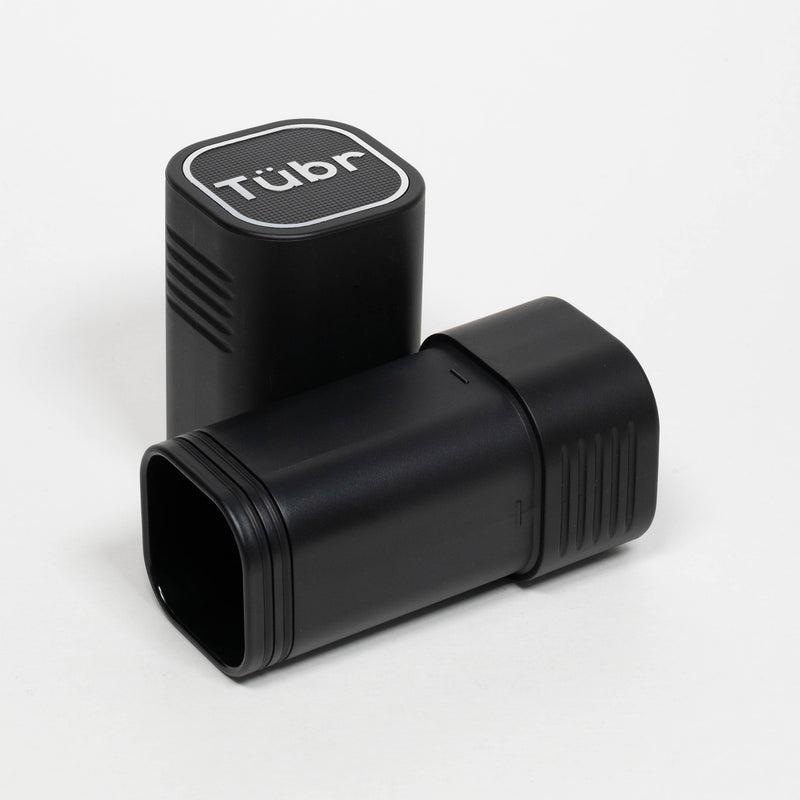
A compact format such as the Tübr Stash storage case is one option to measure against your kit. Start with the listed interior space and your own belongings, rather than assuming that a pocket-sized product will fit every accessory.
Leave room to remove things. An exact fit that depends on arranging every object in a particular order can be frustrating during a busy morning. A smaller collection with a little spare space is usually easier to use than a tightly packed container.
Keep incompatible objects apart
A metal key can mark a polished surface or rub against a connector. A capped lip balm can still become messy in a warm bag. Give items that leak, scratch or shed dirt their own place instead of relying on the outer container to solve every problem.
For delicate accessories, retain the holder or sleeve designed for them. A memory card belongs in an appropriate card holder, for example. A general organizer groups that holder with other suitable items; it does not replace the protection the item needs.
Give the kit one permanent home
Choose a pocket that is easy to see when the bag is open. Avoid burying a small case beneath a laptop or a full water bottle. A consistent location makes it easier to notice when the kit has been left on a desk or moved to another bag.
If you alternate between a backpack and a tote, treat the kit as a unit you transfer deliberately. Keep a clear landing spot at home, away from loose paperwork. Packing becomes easier when the same objects return to the same place after each trip.
Test the arrangement during a normal day
Try taking out each item while standing at your desk or beside your bag. Check whether you need both hands, whether the opening catches on anything, and whether small pieces spill when the case is tilted. Make these adjustments before depending on the kit during a rushed connection.
Also test the bag when it is full. A container that sits neatly in an empty pocket may be difficult to reach once you add lunch and a jacket. If access becomes awkward, change its location or reduce the contents before buying another organizer.
Reset it without creating another chore
At the end of the week, remove used items and wipe away loose dirt according to the container’s care instructions. Replenish what you genuinely used. Do not automatically refill the space with more things just because the kit has room.
Watch for items that repeatedly migrate out of the kit. They may need a more accessible pocket. Items that remain untouched for several weeks may belong at home or at the office instead. The arrangement should become simpler as you learn what works.
Keep work equipment separate from personal spares
If your employer supplies equipment for a particular task, keep it in the holder or location intended for that equipment. A personal commute kit should not become an improvised home for access devices, borrowed components or other objects that need to be returned separately.
This also makes moving between bags easier. You can transfer the personal kit without accidentally taking home something that belongs at the office. At the start of a workday, check the few items you need immediately and leave the occasional spares packed. A clear boundary between daily work equipment and personal accessories reduces the number of small decisions you have to make when packing.
Frequently asked questions
Should every small item go in one case
No. Group compatible occasional-use accessories. Keep daily access items easy to reach and anything with special storage needs in its appropriate holder.
Is a larger organizer better for commuting
Only if you need its capacity. Extra space can encourage unnecessary packing and make a small object harder to find. Check the kit against your actual routine.
How do I know whether the kit is working
You can find what you need without searching several pockets, and the kit is easy to put back. If opening it creates a new unpacking task, reconsider its contents or location.
