
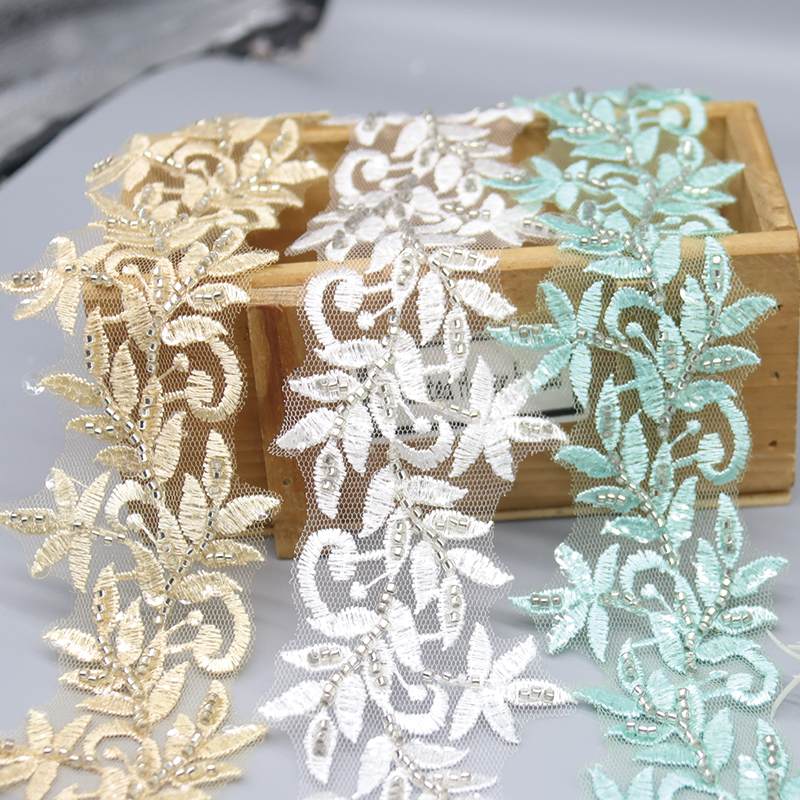
When designers and fashion brands search for premium textiles, choosing the right lace fabric factory becomes a critical decision. Lace is no longer limited to traditional garments — today it plays a central role in lingerie, bridal couture, evening wear, and luxury fashion collections. Understanding how lace is produced, what defines premium quality, and how to source it from a specialized manufacturer can make a significant difference in the final product.
In this guide, we’ll explain what is lace, how modern factories produce high-end lace fabrics, and why working directly with a specialized manufacturing partner leads to better results.
What Is Lace and Why Is It So Special?
To understand the value of a professional lace fabric factory, you first need to understand what is lace. Lace is a decorative fabric made from yarn or thread, formed into open patterns through looping, knitting, or weaving techniques. Unlike solid textiles, lace is defined by its intentional spaces, intricate motifs, and dimensional texture.
Traditionally handmade, lace has evolved with advanced knitting and warp-knit technologies that allow factories to produce highly detailed, consistent, and scalable designs. Today’s high-end lace combines craftsmanship with precision engineering — giving designers both beauty and performance.
Key characteristics that define quality lace include:
- Pattern clarity and symmetry
- Soft but durable yarn structure
- Clean edges and stable borders
- Stretch and recovery (for lingerie use)
- Fine thread count and comfort on skin
The Role of a Modern Lace Fabric Factory
A professional lace fabric factory does far more than simply manufacture cloth. It operates as a technical and creative production center. From yarn selection to final finishing, every stage affects how the lace performs and looks in finished garments.
Modern factories use advanced knitting machines, digital pattern systems, and strict quality controls to produce lace suitable for demanding applications like:
- Luxury lingerie
- Wedding dresses
- Haute couture fashion
- Evening gowns
- Designer overlays and trims
Factories that specialize in high-end lace focus on both aesthetics and performance — ensuring fabrics are elegant, wearable, and production-ready.
Inside a High-End Lace Production Process
A specialized lace fabric factory typically follows a structured process to maintain premium standards.
Yarn Selection
Production begins with selecting the right yarn blends — such as nylon, polyester, spandex, or specialty fibers. Yarn quality directly affects softness, stretch, and durability.
Pattern Engineering
Designers and technicians translate lace motifs into machine-readable formats. This stage determines how fine the detail will appear and how well the pattern repeats across the fabric width.
Knitting and Formation
Advanced warp-knitting or jacquard systems produce the lace structure. Precision calibration ensures consistent loops and spacing — essential for high-end fashion use.
Dyeing and Finishing
Finishing treatments enhance:
- Color depth
- Hand feel
- Elastic recovery
- Surface smoothness
Luxury applications often require soft-touch finishing and strict color uniformity across batches.
Why Designers Prefer Specialized Lace Manufacturers
Not all textile mills can produce premium lace. A dedicated lace fabric factory offers technical advantages that general fabric producers often cannot match.
Pattern Precision
Complex motifs require specialized machines and experienced operators. This ensures every roll maintains pattern integrity.
Material Performance
High-end lace must balance beauty with function — especially for lingerie and bridal wear where comfort and stretch matter.
Custom Development
Professional factories support custom lace development, allowing brands to create exclusive patterns and structures.
Consistent Bulk Production
Consistency across large orders is essential for fashion brands. Specialized factories implement tighter quality control standards to maintain uniformity.
A Trusted Source for High-End Lace Fabrics
One example of a professional manufacturer in this field is
Fuyuan Knitting — a factory focused on producing high-end lace fabrics for lingerie, wedding dresses, and haute couture applications.
Their production capabilities are tailored specifically for premium lace development, including:
- Fine-detail lace structures
- Stretch lace for intimate apparel
- Bridal and couture lace designs
- Custom pattern manufacturing
- Large-scale factory production with quality control
Working directly with a specialized producer helps ensure better communication, material traceability, and product customization.
How to Choose the Right Lace Fabric Factory
If you are sourcing for a fashion label or textile brand, consider these factors when selecting a lace fabric factory:
Technical Capability
Look for advanced knitting systems and pattern engineering expertise.
Product Focus
Factories specializing in lingerie, bridal, and couture lace usually maintain higher detail standards.
Customization Support
The ability to develop exclusive lace patterns adds brand value.
Quality Control Systems
Consistent inspection and testing processes ensure reliable bulk orders.
Communication & Sampling
Fast sampling and technical feedback accelerate product development cycles.
Final Thoughts
Understanding what is lace and how it is produced helps brands and designers make smarter sourcing decisions. A specialized lace fabric factory brings together textile engineering, artistic pattern design, and precision manufacturing — resulting in fabrics that elevate finished garments.
For fashion businesses focused on lingerie, wedding dresses, and haute couture, partnering with an experienced high-end lace manufacturer is not just a supply decision — it is a quality strategy. Direct factory collaboration leads to better materials, better customization, and better final products.
