
Key Takeaways
- Simple, consistent habits build lasting organization in the home.
- Micro-decluttering keeps spaces tidy without overwhelming you.
- Multifunctional furniture optimizes available space and limits clutter.
- Practicing intentional ownership leads to purposeful and joyful living.
- Home organization contributes to calmness and mental clarity.
Table of Contents
- Establish Daily Habits
- Embrace Micro-Decluttering
- Invest in Multifunctional Furniture
- Practice Intentional Ownership
- Enhance Mental Well-being Through Organization
- Conclusion
Maintaining an organized home is a goal that many strive for, but it rarely happens overnight. Instead of aiming for a rapid transformation, focus on small, sustainable shifts that gradually improve your living environment. Small changes, made consistently, can produce lasting order and tranquility. For those tackling specific areas like cluttered corners or overfilled closets, mastering storage room organization can make a major difference in how functional and peaceful your space feels.
Clutter not only makes rooms appear smaller and more chaotic, but it can also create unnecessary stress. By embracing smarter, more intentional habits, anyone can keep their home comfortable and inviting. These approaches do not require expensive solutions or drastic upheaval. Instead, they rely on gradual routines and purposeful decisions that can fit seamlessly into everyday life. Adopting these habits allows you to enjoy a space that is always ready to host friends, help you unwind, or support focused work. Over time, these practices can fundamentally reshape both your home and your daily mindset.
Once you establish foundational routines that address clutter and disorganization at the source, you will likely notice a chain reaction throughout your entire home. Even minor tasks, like sorting your mail, managing storage cupboards, or finding a home for every item, help build a sense of order. The process of thoughtful organizing not only makes cleaning easier but also boosts your well-being by reducing the mental load that comes with everyday messes.
Incorporating furniture and storage solutions that serve multiple roles can also provide the extra space needed to declutter efficiently. This holistic approach considers both daily actions and long-term strategies to make your home not just tidy, but truly restful. For people interested in learning more about the latest home design trends, check out this article from Livingetc on organization solutions for modern lifestyles.
Establish Daily Habits
Order starts, and stays, with routine. Think of daily habits as foundational building blocks: putting away shoes as soon as you walk in, doing a quick nighttime reset of living spaces, and emptying the dishwasher right after breakfast. These brief actions do not take much time, but their impact amplifies when practiced daily. Consistency is more important than perfection. Even setting aside five minutes at the end of each day to tidy up can make a significant difference in your home’s long-term organization. Adopting these simple routines ensures that clutter does not have a chance to build up, making cleaning feel less like an occasional chore and more like a seamless part of daily life. Experts recommend gradually introducing one habit at a time to build a sustainable routine.
Embrace Micro-Decluttering
The idea of decluttering an entire home can seem overwhelming, so break it down with micro-decluttering. This method involves dedicating 10 to 15 minutes to a small area—a single drawer, a specific shelf, or a bathroom cabinet. Focus your attention, clear out what you do not need, and reorganize what remains. This approach limits stress while providing a powerful sense of accomplishment, which encourages you to keep going. Over weeks and months, these small sessions add up and keep clutter from returning. In addition, tackling one category at a time, like books or cleaning supplies, can further maintain motivation.
Invest in Multifunctional Furniture
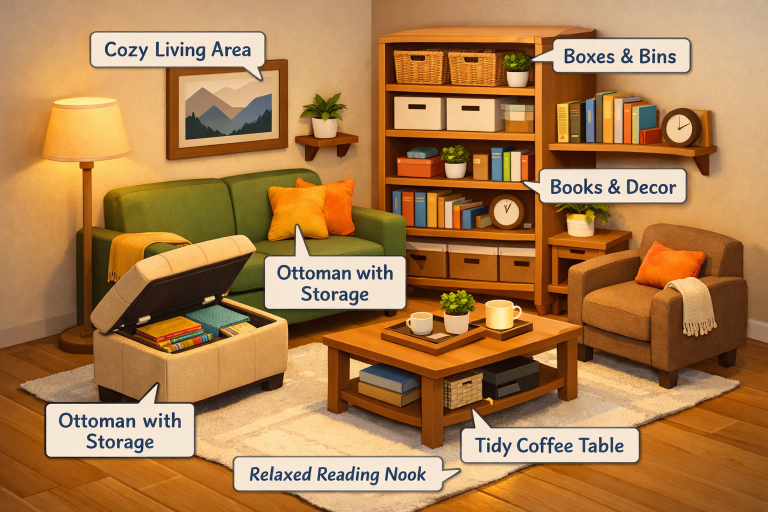
If space is limited (or you simply want to make the most of every inch), multifunctional furniture is a smart investment. Ottomans that open to reveal hidden storage, beds with drawers beneath, and coffee tables with integrated shelves streamline both style and substance. These pieces often allow you to store off-season items, organize media, or keep toys and hobbies tucked away neatly but within reach. Making your furniture work harder means you can reduce visual clutter and create a clean aesthetic throughout your living space. Not only does this maximize available square footage, but it also means your home adapts more easily to life’s changing needs and activities.
Practice Intentional Ownership
Intentional ownership encourages you to think carefully about the things in your home. Rather than keeping everything out of obligation, evaluate each item’s purpose. Does it serve a current function, spark joy, or create value in your home? Regularly reevaluate your possessions, donating or discarding the rest, and you will find yourself with only what truly matters. This practice, inspired by minimalist philosophies, gives you control and helps you avoid simply moving messes from one place to another. It also makes cleaning quicker and less frustrating, since every item has a place. Over time, adopting this approach lightens both your physical and emotional load.
Enhance Mental Well-being Through Organization
There is a direct link between home organization and mental well-being. Clutter can generate low-level anxiety and stop you from fully relaxing at home. A thoughtfully organized environment, by contrast, supports a sense of calm, reduces distractions, and helps restore your focus. Being surrounded by order can make routines, like working from home or enjoying family downtime, less stressful and more enjoyable. People who maintain organization at home often report improved sleep, increased productivity, and a greater overall sense of well-being.
Conclusion
Transforming your home begins with smart, sustainable habits. Building a handful of daily routines, trying micro-decluttering, selecting multifunctional furniture, and practicing intentional ownership will help you create a space that’s tidy, welcoming, and supportive of your best life. Remember that an organization does not have to be a one-time project. Instead, it is a mindset and a set of ongoing habits that put you in control of your environment and your well-being, now and for years to come.
