
Table of Contents
- Introduction
- The Rise of Analytics in Basketball
- Wearable Technology and Performance Tracking
- Personalized Training Programs
- Video Analysis and AI Integration
- Impact on Coaching Strategies
- Challenges and Considerations
- Future Trends in Basketball Training
- Conclusion
In the evolving world of basketball, technology is rapidly redefining how athletes train, develop skills, and perform on the court. The adoption of data analytics and digital tools is not just for elite players but is impacting every level, making advanced insights and individualized coaching accessible to all. Advanced basketball training programs are embracing this shift, leveraging actionable data to unlock players’ full potential while helping coaches tailor their strategies with unprecedented precision.
Today, breakthroughs in wearables, artificial intelligence (AI), and performance software are offering coaches and athletes detailed feedback once reserved for professionals. These resources enable improvements in technique, injury prevention, and game-readiness by turning raw numbers into practical, results-driven changes on the court. As teams seek any possible competitive edge, understanding how data-driven training is reshaping the basketball landscape is vital for players and coaches striving for excellence.
The Rise of Analytics in Basketball
The marriage of sports and data science is revolutionizing basketball. Teams are diving deep into player statistics and on-court movement data to gain insights that drive smarter decision-making. Analytical breakdowns can reveal patterns in shot selection, defensive rotations, and lineup effectiveness, shaping every aspect from draft picks to in-game substitutions. The NBA has made significant investments in evolving how fans and coaches alike interact with such metrics, highlighted by partnerships that translate player data into interactive content and by live broadcast enhancements. These analytical tools have become essential in guiding game strategy and player development at every level of play. Data is now powering critical decisions across the league, changing how coaches and analysts approach the game.
Wearable Technology and Performance Tracking
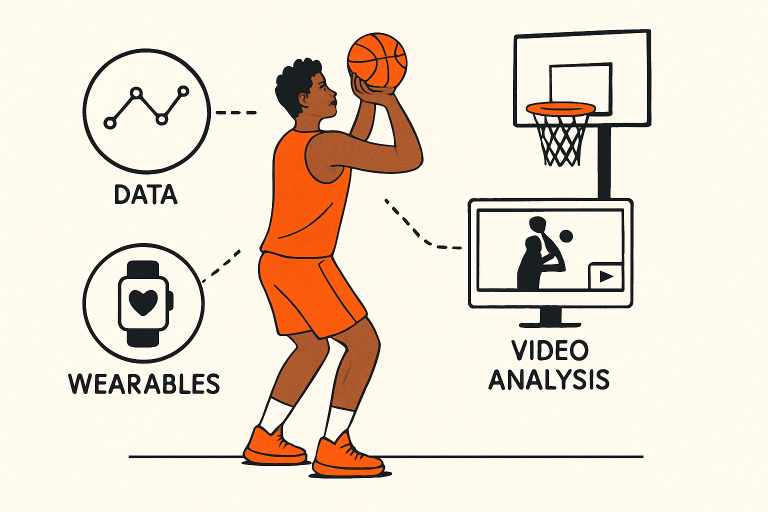
Wearable technology has ushered in a new era of real-time performance monitoring for basketball players. Devices like smartwatches, chest straps, and sensor-embedded garments track key metrics such as heart rate, jump height, and distance covered. These insights help coaches monitor load and fatigue, adjust training intensity, and minimize the risk of overuse injuries. College basketball programs are leading this wave, leveraging wearable tech for rigorous player monitoring both in skills sessions and off-court conditioning. Such advancements transform anecdotal feedback into tangible data points that fuel progress and ensure athletes are training at the right intensity, not just training hard.
Personalized Training Programs
Basketball training is no longer a one-size-fits-all approach. Today’s coaches are using data-driven tools to develop individualized training regimens based on each player’s strengths, weaknesses, and goals. Video platforms and analytics software break down shooting mechanics, footwork, and reaction time, delivering actionable feedback that accelerates skill improvement. For young athletes, these tailored programs lay a foundation for long-term success, building trust through precise, measurable progress. High school programs are increasingly using AI-powered analysis to provide comprehensive performance reports, making personal growth more transparent and motivating for players and parents alike.
Video Analysis and AI Integration
AI-enhanced video analysis is quickly becoming indispensable in modern basketball. Sophisticated software can tag game footage, identify player movements, and generate detailed breakdowns almost instantaneously. This technology enables faster, more thorough film review for both individuals and entire teams, enabling pinpoint corrections and strategic adjustments. Pro-level tools are now filtering down to youth and amateur leagues, giving more athletes access to high-quality breakdowns once seen only at the elite level. The increasing use of AI in scouting also means that identifying and nurturing potential is more data-driven than ever.
Impact on Coaching Strategies
The infusion of analytics and tech has transformed coaching strategies, making them more intentional and precise. With tools that interpret both in-game and practice data, coaches are now creating game plans based on current matchups and cumulative trends, rather than gut instincts alone. This leads to data-backed substitution patterns, targeted defensive matchups, and informed play calling. Analytical reports foster accountability, as every decision can be tracked and evaluated. Team culture also benefits, with staff and players sharing a clear picture of expectations and progress. The digital transformation in coaching is building smarter, more cohesive teams at every level.
Challenges and Considerations
While the shift toward data-driven strategies is overwhelmingly positive, it does not come without challenges. The sheer amount of information available can sometimes overwhelm players and staff, leading to “analysis paralysis.” Questions about data privacy and ethics are becoming more important as personal performance data becomes increasingly detailed and shareable. Finally, coaches must balance innovation with tradition, integrating advanced stats without ignoring the importance of instinct, chemistry, and human connection within a team.
Future Trends in Basketball Training
Looking ahead, basketball training will continue to evolve as new technologies are adopted. Virtual reality is emerging as a tool for advanced situational training and game simulation, while machine learning promises even deeper personalized insights for injury prevention and performance maximization. Game-tracking cameras and smarter wearables will drive the next wave of progress, making cutting-edge analysis easy to access for coaches and players at all skill levels. These trends will further enhance personalized coaching, while expanding the boundaries of what athletes and teams can achieve.
Conclusion
Data-driven approaches are fundamentally changing how basketball is taught, learned, and executed. Through technology, personalized feedback, and strategic insights, coaches and athletes can now optimize every aspect of development and game play. Embracing these advancements ensures that teams and individuals are positioned for success, as the game continues to evolve in an increasingly competitive environment.
