Key Takeaways
- Combining neuromodulators can enhance facial rejuvenation by targeting various muscle groups.
- Each neuromodulator has unique properties that, when used together, can provide a more natural and balanced result.
- Consulting with a qualified professional is essential to determine the best combination for individual needs.
Understanding Neuromodulators
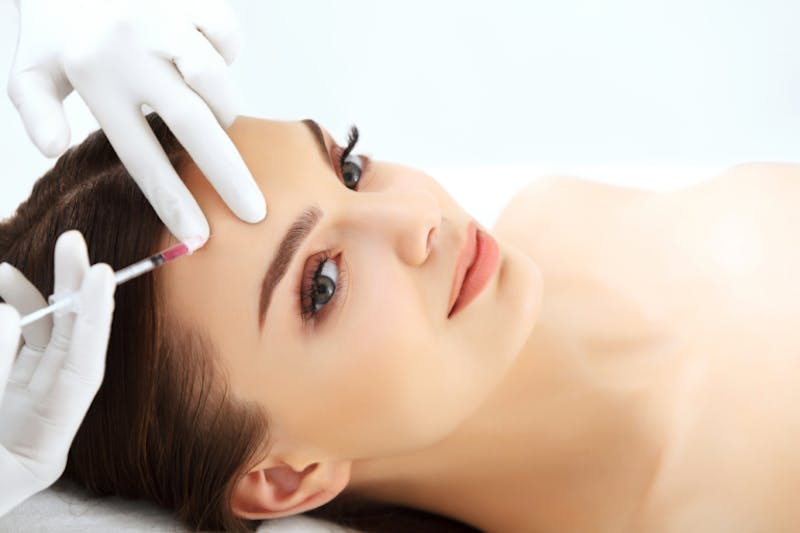
Neuromodulators are injectable treatments designed to relax targeted facial muscles, effectively reducing the appearance of wrinkles and fine lines. Popular options include Botox and Dysport, each with distinct formulations, onset times, and optimal use areas. Neuromodulators work by temporarily interrupting the nerve signals to overactive muscles, smoothing out dynamic wrinkles such as crow’s feet, forehead lines, and frown lines. Patients often wonder, can you mix Botox and Dysport, and with careful planning by a trained specialist, this strategic combination may provide soft, natural-looking results tailored to various facial zones.
Though Botox and Dysport both use botulinum toxin type A, they are not identical. Botox is known for its precision and defined results, while Dysport offers a faster onset and a softer spread, making it ideal for wider areas like the forehead. By combining these products, practitioners can harness the unique strengths of each to achieve a finely tuned outcome that addresses multiple areas of concern in a single session.
The Science Behind Combination Treatments
Scientific research increasingly supports the use of combination therapies in facial aesthetics. By utilizing different neuromodulators based on their distinct diffusion and duration properties, experts can create more individualized results. According to publications like the Harvard Health Blog, using these products thoughtfully can allow for more harmonized results and improved patient satisfaction versus single-product approaches.
Pairing neuromodulators with other facial rejuvenation tools, such as dermal fillers, can further enhance outcomes. Clinical studies have demonstrated that patients treated with both fillers and neuromodulators often report higher satisfaction rates as the combination can address both loss of volume and dynamic muscle activity in one cohesive plan.
Advantages of Using Multiple Neuromodulators
- Targeted Treatment: Because each neuromodulator exhibits unique diffusion and binding properties, practitioners can select the best product for specific facial zones. For example, Dysport’s diffusion can provide a softer effect for lateral forehead lines, while Botox offers more controlled results in delicate or localized areas like glabellar (frown) lines.
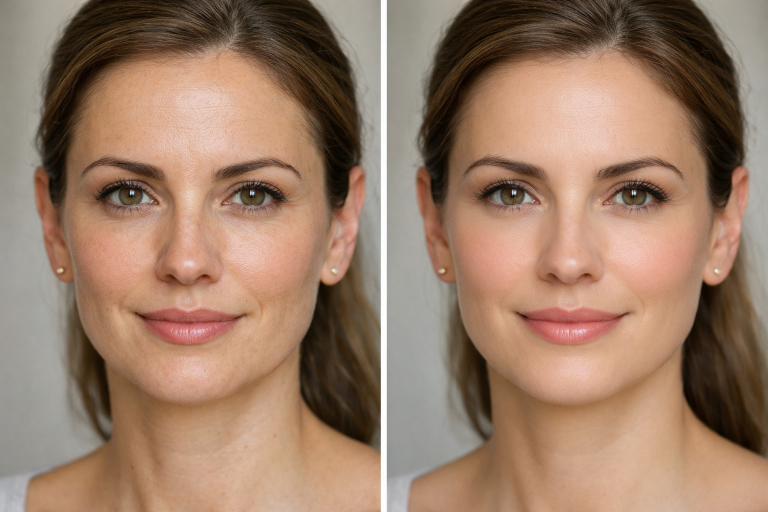
- Enhanced and Natural-Looking Results: By addressing different facial muscles according to their movement patterns and resistance, the combination technique can yield smoother, more balanced outcomes that look less “frozen” and more refreshed.
- Potentially Prolonged Effectiveness: Some clinicians find that alternating or combining neuromodulators can help prevent the development of resistance and may extend rejuvenation duration, although ongoing research is needed in this area.
How to Choose the Right Combination for You
Determining the ideal mix of neuromodulators depends on several factors, including facial anatomy, desired results, previous experiences, and individual goals. Consulting with a board-certified dermatologist or plastic surgeon is essential for building a safe and effective plan. Each patient’s muscle movement patterns can differ, so a thorough assessment ensures the right products and injection sites are selected.
During the initial consultation, your practitioner may use advanced mapping techniques and movement analysis to determine which areas will benefit most from each product. Open communication during this stage helps to set realistic expectations for outcomes and duration.
Safety, Risks, and Aftercare
Like all medical procedures, combining neuromodulators involves potential risks, such as bruising, mild swelling, or, in rare cases, asymmetric results. To minimize side effects and optimize results, always work with a provider experienced in advanced combination techniques. Following aftercare instructions is crucial and typically includes avoiding vigorous facial movements, applying ice as directed, and refraining from strenuous exercise for the first 24 hours. Resources like the Mayo Clinic provide additional information on what to expect before and after treatment.
It is also important to disclose any prior treatments and medical conditions during your consultation. This transparency enables your provider to anticipate possible interactions or contraindications and customize your plan safely.
Case Studies: Real-Life Experiences with Combined Neuromodulators
In clinical practice, those with complex facial movement patterns or seeking correction in multiple areas can benefit significantly from a strategic mix of neuromodulators. For example, a patient aiming to soften deep forehead lines while achieving subtle lip enhancement might receive Botox in the forehead for precision and Dysport along the upper lip line for a gentle lift. Results typically become visible within two to three days for Dysport and three to five days for Botox, revealing a rejuvenated facial appearance without looking overdone or expressionless.
Patient satisfaction rates are consistently high as most find the blended approach delivers a cohesive, refreshed effect, preserving the ability to express emotions naturally. This technique is especially beneficial for individuals seeking a discreet yet noticeable improvement in facial balance and youthfulness.
Conclusion
Combining different neuromodulators, such as Botox and Dysport, is a sophisticated technique in facial rejuvenation that allows for tailored, natural-looking results. The unique properties of each product enable practitioners to address diverse facial zones with precision, balancing muscle relaxation with expressive capability. By consulting with experienced professionals and following recommended aftercare, individuals can enjoy a refreshed appearance that meets their personal beauty goals while minimizing risks. As research evolves and techniques advance, combined neuromodulator therapy is poised to remain a cornerstone of modern nonsurgical facial rejuvenation.
