
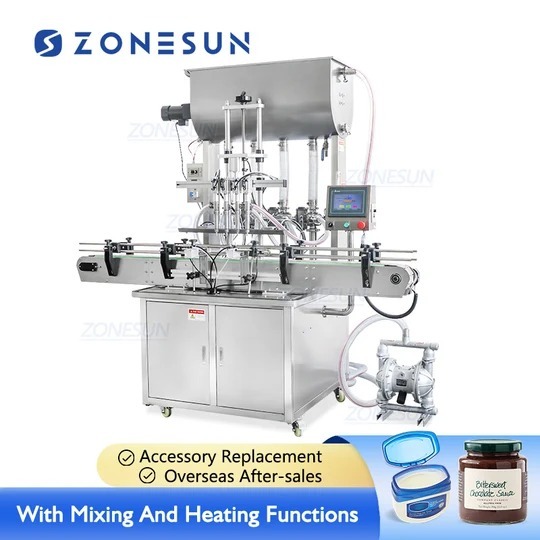
There is an undeniable allure to the world of cosmetics, a realm where science meets art and where the simplest acts of self-care are transformed into luxurious rituals that uplift the spirit and enhance natural beauty, yet the true foundation of this multi-billion dollar industry is not found in the glossy campaigns or the celebrity endorsements but rather in the gleaming, sterile production facilities where raw ingredients are carefully measured, blended, and ultimately delivered into the hands of eager consumers. The path from a chemist’s notebook to a customer’s bathroom cabinet is paved with countless challenges, from sourcing high-quality raw materials to maintaining absolute consistency across millions of units, and it demands a level of precision and reliability that can only be achieved through specialized equipment designed specifically for this demanding purpose. Every time you twist open a new moisturizer, pump a dollop of foundation, or squeeze out a strip of toothpaste, you are benefiting from an intricate dance of mechanical components, sensors, and software that work in flawless harmony to ensure your product is exactly what the manufacturer intended, and this harmonious operation is orchestrated by the cosmetic filling machine, a technological marvel that deserves far more recognition than it typically receives. The journey of these machines from simple manual fillers to the sophisticated automated systems of today is a testament to human ingenuity and our relentless pursuit of perfection, and understanding this evolution provides a deeper appreciation for the products we often take for granted, reminding us that true beauty is not just skin deep but is also built upon a foundation of engineering excellence.
Navigating the Challenges of Diverse Formulations and Packaging
The beauty industry is characterized by an astonishing diversity of product types, each with its own unique set of physical and chemical properties that present distinct challenges during the manufacturing process, and the cosmetic filling machine must be versatile enough to handle everything from the lightest, most volatile perfumes to the densest, most stubborn wax-based balms without compromising on quality or efficiency. Consider the differences between a watery toner that flows like spring water and a thick, rich night cream that holds its shape on a spoon, because filling these two products requires entirely different mechanical approaches, nozzle designs, and pressure settings to achieve accurate, drip-free results. The machine must also contend with the ever-changing landscape of packaging innovation, as brands continuously seek to differentiate themselves through unique bottle shapes, innovative closure systems, and sustainable materials that reduce environmental impact, all of which demand specific filling and sealing techniques that the equipment must accommodate. This versatility is achieved through modular designs that allow for quick changeovers between different product runs, enabling manufacturers to respond rapidly to shifting consumer preferences and seasonal trends without experiencing costly production delays. Additionally, the equipment must be capable of handling temperature-sensitive formulations that require precise thermal control throughout the filling process, because some active ingredients can degrade or lose their efficacy if exposed to temperatures that are too high or too low, making the integration of heating or cooling systems an essential feature of modern filling lines. The ability to manage these complex variables simultaneously, while maintaining production speeds that can reach hundreds of units per minute, is a testament to the sophisticated engineering and thoughtful design that goes into every high-quality cosmetic filling machine, and it is this capability that allows brands to deliver consistent, reliable products to consumers around the world.
The Economics of Efficiency and the Cost of Inaccuracy
In the hyper-competitive beauty market, where profit margins are often razor-thin and consumer loyalty is hard-won, the operational efficiency of the filling line has a direct and significant impact on a company’s bottom line, making the cosmetic filling machine a strategic asset that can determine whether a brand thrives or merely survives. Every milliliter of product that is overfilled into a container represents pure profit lost, as the manufacturer is essentially giving away expensive formula that could have been sold, and when multiplied across thousands or millions of units, these seemingly minor inaccuracies can erode profitability in a devastating way. Conversely, underfilled containers lead to customer complaints, returns, and damage to brand reputation, as consumers rightfully feel cheated when they receive less product than they paid for, creating a delicate balancing act that the machine must perform with extraordinary consistency. The financial implications extend beyond the product itself, because inefficient filling operations require more labor hours, more energy consumption, and more frequent maintenance interventions, all of which add to the overall cost of production and reduce the company’s ability to invest in research, marketing, or other growth initiatives. This economic reality has driven the development of increasingly sophisticated filling systems that incorporate advanced weighing technologies, vision inspection systems, and real-time feedback loops that continuously monitor and adjust the filling process to maintain optimal performance. The return on investment for such equipment is substantial, as the savings generated through reduced waste, increased throughput, and lower labor costs can quickly justify the initial capital expenditure, making the cosmetic filling machine not just a piece of production equipment but a true business enabler that contributes directly to the company’s financial health and competitive positioning.
Ensuring Product Integrity and Consumer Safety Through Advanced Design
Beyond the economic considerations, there is a moral and legal imperative for beauty manufacturers to ensure that every product reaching the consumer is safe, effective, and free from contamination, and the cosmetic filling machine plays an absolutely vital role in meeting these obligations through its design features and operational protocols. The equipment is engineered to create a barrier between the external environment and the product being filled, utilizing enclosed filling chambers, laminar airflow systems, and sterile connections that prevent airborne particles, microorganisms, or other contaminants from entering the product stream during the filling process. This is particularly critical for water-based formulations that are susceptible to microbial growth, as well as for products that contain sensitive active ingredients that can be compromised by exposure to oxygen or moisture. The materials used in the construction of the filling equipment are carefully selected for their compatibility with cosmetic formulations, with food-grade stainless steel, medical-grade polymers, and specialized seals that resist degradation from oils, solvents, or other aggressive ingredients being the industry standard. Furthermore, modern cosmetic filling machine designs incorporate clean-in-place and sterilize-in-place capabilities that allow the entire system to be sanitized without disassembly, reducing the risk of human error and ensuring that every batch is produced under the highest standards of hygiene. The rigorous validation and qualification processes that these machines undergo before they are deployed in production provide additional assurance that they will perform reliably and consistently, giving manufacturers and consumers alike the confidence that the final product is exactly what it purports to be.
The Future of Filling Technology in an Era of Personalization and Digital Integration
As we look toward the future, the evolution of the cosmetic filling machine is being shaped by broader trends in technology and consumer behavior, including the growing demand for personalized beauty products, the rise of e-commerce, and the increasing importance of data-driven decision making in manufacturing. The concept of mass personalization, where products are tailored to individual consumers based on their skin type, preferences, or even genetic profile, is gaining traction in the beauty industry, and this trend is driving the development of filling systems that can produce smaller batch sizes with rapid changeover capabilities, enabling brands to offer customized products without sacrificing efficiency or quality. The integration of digital technologies, such as the Internet of Things, artificial intelligence, and machine learning, is also transforming the filling line into a smart, connected system that can predict maintenance needs, optimize production schedules, and even diagnose potential issues before they cause downtime. This connectivity extends beyond the factory floor, as data from the cosmetic filling machine can be integrated with supply chain management systems, quality assurance platforms, and customer relationship management tools to create a holistic view of the entire production and distribution process. The result is a more responsive, agile, and efficient manufacturing operation that can adapt quickly to changing market conditions, meet the evolving expectations of consumers, and drive sustainable growth for the business. The future of beauty manufacturing is bright, and at its heart, the cosmetic filling machine will continue to evolve and innovate, ensuring that the products we love are delivered with the quality, consistency, and care that we deserve.
