
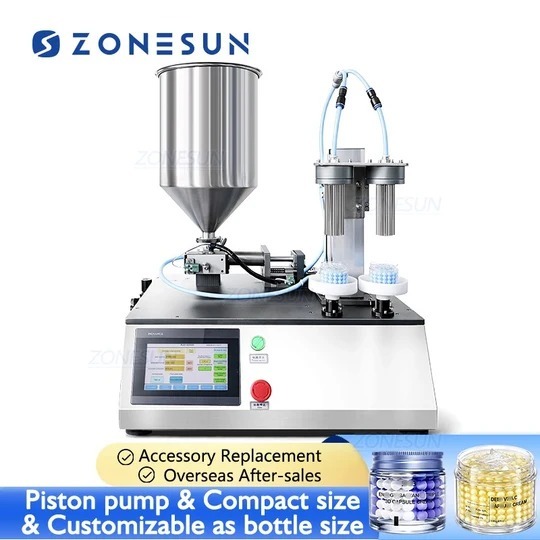
Standing on the production floor of any large-scale manufacturing facility, one is immediately struck by the rhythmic symphony of whirring motors, clicking sensors, and hissing pneumatics that together create the soundtrack of modern industry, yet amidst this orchestrated chaos, there is one piece of equipment that stands out as particularly vital to the entire operation. This unassuming apparatus, often tucked away in the middle of the production line, is responsible for one of the most fundamental tasks in all of manufacturing, taking a bulk product in its raw, unformed state and delivering it with surgical precision into the containers that will eventually reach consumers in every corner of the globe. The filling machine is the mechanical heartbeat of countless industries, from food and beverage to pharmaceuticals, from chemicals to personal care, and its reliable performance is absolutely essential to the smooth functioning of the global supply chain that underpins modern civilization. Without these remarkable devices, the products that populate our supermarkets, pharmacies, and hardware stores would simply not exist in their current convenient, accessible form, and our daily lives would be immeasurably more complicated and less enjoyable. The story of the filling machine is a story of human ingenuity, of continuous improvement, and of the relentless pursuit of perfection, and it is a story that deserves to be told, not just for its historical significance, but for the insights it offers into the future of manufacturing.
Navigating the Complexities of Diverse Product Characteristics
The extraordinary range of products that must be packaged using a filling machine presents a formidable challenge to engineers and manufacturers, because no two products behave exactly the same way during the filling process, and each requires a unique combination of techniques and technologies to achieve optimal results. Consider the differences between a carbonated soft drink, which must be filled under pressure to prevent the loss of dissolved gases, and a hot-fill sauce, which is filled at elevated temperatures to ensure sterility and then cooled rapidly to create a vacuum seal. Consider further the complexities of filling a powder, which flows like a liquid but can generate significant dust that must be contained for safety and hygiene reasons, or a highly viscous paste that requires positive displacement pumps and heated nozzles to move through the filling system at all. The presence of particulates, such as chunks of fruit in yogurt or pieces of vegetable in soup, adds another layer of complexity, because the filling machine must ensure that these solids are distributed evenly throughout the product and that the filling mechanism does not damage or crush them during transfer. The rheological properties of the product, such as its shear-thinning or shear-thickening behavior, must also be carefully considered, because some materials change their viscosity dramatically when subjected to mechanical stress, requiring precise control of filling speeds and pressures to maintain consistent performance. This remarkable diversity of requirements has driven the development of a wide array of filling technologies, including volumetric fillers, gravimetric fillers, timed-flow systems, and combination approaches that leverage multiple technologies to achieve the best possible results, each one designed to address the specific challenges of a particular product category with maximum efficiency and reliability.
The Hidden Costs of Inaccuracy and the Value of Precision
In the relentless pursuit of profitability, manufacturers have come to recognize that the accuracy of the filling machine is not merely a technical consideration but a strategic business imperative, because even tiny deviations from the target fill weight can accumulate into substantial financial losses or, conversely, lead to customer dissatisfaction and regulatory penalties. The economics of filling accuracy are compelling and unforgiving, as a manufacturer producing millions of units annually could lose hundreds of thousands of dollars to product giveaway from overfilling, or face costly returns and damage to brand reputation from underfilling that leaves customers feeling cheated. Modern filling systems address this challenge through the deployment of advanced measurement technologies, such as load cells, mass flow meters, and vision inspection systems, that provide continuous, real-time feedback on fill performance and enable the system to make instantaneous corrections to maintain optimal accuracy. These systems are so sensitive that they can detect variations measured in fractions of a gram or milliliter, and they can compensate for a wide range of variables that could affect fill weight, including fluctuations in product temperature, changes in product density, variations in container weight, and even subtle shifts in atmospheric pressure. The financial benefits of this precision extend beyond the direct savings from reduced product giveaway, because accurate filling also reduces waste, minimizes the need for rework or reprocessing, enhances the overall efficiency of the production line, and reduces the risk of costly regulatory fines or product recalls. By investing in high-quality filling equipment and implementing rigorous quality control procedures, manufacturers can protect their bottom line, build customer trust, and position themselves for long-term success in an increasingly competitive marketplace.
The Uncompromising Standards of Hygienic and Aseptic Filling
In industries where product purity is paramount, such as food processing, pharmaceutical manufacturing, and medical device production, the filling machine must operate within a framework of extraordinarily stringent hygiene standards that leave no room for compromise or error. The consequences of contamination in these sectors can be catastrophic, ranging from widespread foodborne illness outbreaks that sicken thousands to drug recalls that devastate a company’s reputation and expose it to massive legal liability, making the hygienic design and operation of filling equipment a matter of the utmost seriousness. Filling machines destined for these regulated industries are constructed from materials that can withstand repeated sanitization without degrading, with stainless steel being the material of choice for all product contact surfaces, and they incorporate design features that eliminate dead spaces, crevices, and other areas where microorganisms could potentially accumulate and multiply. Many systems are equipped with automated clean-in-place and sterilize-in-place capabilities that allow the entire filling path to be sanitized without disassembly, significantly reducing the risk of human error and ensuring that every batch is produced under the highest possible standards of hygiene. The validation and qualification processes that these machines undergo before they are placed into service are exhaustive and meticulously documented, demonstrating that the equipment can consistently produce products that meet or exceed all applicable purity and safety requirements. This commitment to hygiene is not just a matter of regulatory compliance; it is a moral obligation that manufacturers owe to their customers, and the filling machine is the critical tool that enables them to fulfill this obligation with confidence and integrity.
The Human Element That Brings the Machinery to Life
While the technological sophistication of modern filling equipment is truly impressive, it is important to remember that the filling machine is ultimately a tool that depends on the knowledge, skill, and dedication of the people who operate, maintain, and optimize it, because even the most advanced machinery cannot achieve its full potential without human guidance and expertise. The operators who run these machines bring years of experience and intuitive understanding to the production floor, knowing from the sound of a motor or the feel of a control panel whether the equipment is performing at its peak or beginning to show signs of trouble. The maintenance technicians who keep the machines running smoothly possess a deep understanding of mechanical, electrical, and software systems, and they can diagnose and resolve complex problems with remarkable speed and efficiency. The process engineers who design and optimize the filling operations bring a rigorous scientific perspective to the task, applying principles of fluid dynamics, material science, and quality control to achieve ever-greater levels of performance. This partnership between human intelligence and machine capability is the foundation of modern manufacturing, and it is this synergy that delivers the consistent, high-quality products that consumers expect and deserve. The filling machine may be the mechanical heart of the production line, but it is the people who operate and care for it who truly bring it to life, infusing the cold steel and electronics with the warmth of human dedication and the wisdom of accumulated experience.
Embracing Innovation to Meet Tomorrow’s Packaging Challenges
As we look toward the future, the filling machine faces a new set of challenges and opportunities driven by shifting consumer preferences, emerging technologies, and growing environmental concerns, and the industry is responding with a wave of innovation that promises to reshape the packaging landscape. The rise of e-commerce has created new demands for packaging that can withstand the rigors of shipping while still delivering a positive unboxing experience, requiring filling systems that can handle a wider range of container sizes and materials with greater flexibility. The growing popularity of personalized and customized products, from bespoke skincare formulations to individualized nutritional supplements, is driving the development of filling systems capable of handling small batch sizes with rapid changeover times and minimal waste. The increasing focus on sustainability is pushing manufacturers to adopt more environmentally responsible packaging materials, including recycled plastics, biodegradable polymers, and lightweight alternatives that use less material, and the filling machine must be adapted to handle these new materials without compromising performance or efficiency. The integration of digital technologies, such as artificial intelligence, machine learning, and the Internet of Things, is enabling unprecedented levels of connectivity, automation, and intelligence in filling operations, transforming the equipment from a simple production tool into a strategic asset that can provide valuable insights and drive continuous improvement. The future of the filling machine is bright, and it will continue to evolve and adapt to meet the changing needs of manufacturers and consumers alike, ensuring that the products we depend on are delivered safely, efficiently, and sustainably for generations to come.
