
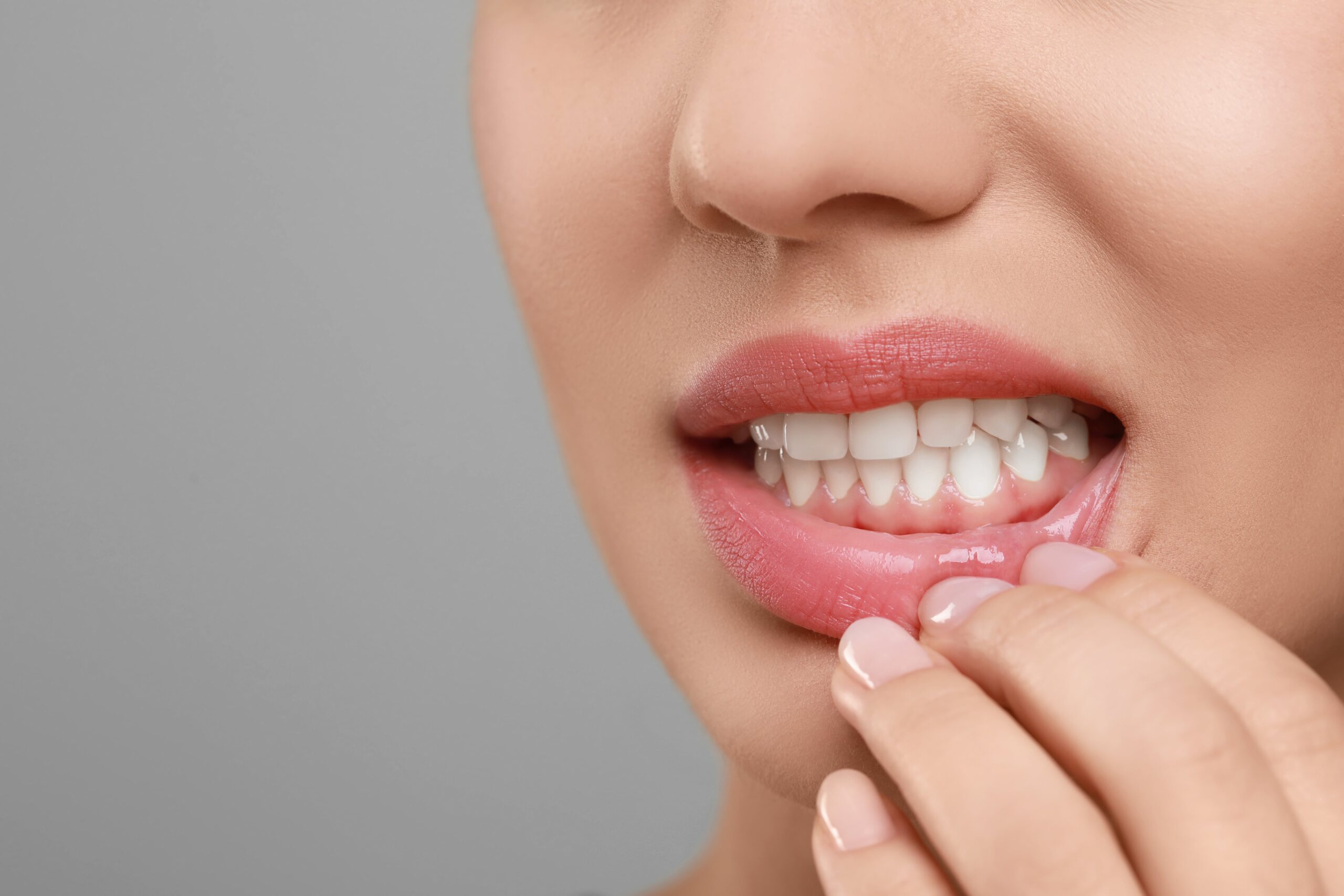
You might be ready for the fun part, whiter teeth, straighter edges, veneers, bonding, a more even smile. Then you hear something you did not expect. Before any cosmetic work starts, your dentist wants to talk about your gums. That can feel frustrating, especially if you came in focused on how your teeth look, not how your gum tissue measures on an exam. Still, there is a good reason for it. In many cases, gum health treatment comes first because healthy gums create the base that cosmetic results depend on. An implant dentist Toledo patients trust may also explain that if the foundation is inflamed, infected, or pulling away from the teeth, even beautiful work may not last or look the way you hoped.
That can be hard to hear when you feel eager to move forward. You may wonder if this is a delay, an extra expense, or a sign that something is more serious than you thought. Often, it is simply a smart and careful step. A cosmetic dentist is not just looking at color and shape. They are looking at stability, symmetry, healing, and long term success.
Why would a cosmetic dentist pause smile work to focus on your gums first?
Cosmetic dentistry depends on healthy support around each tooth. Your gums frame your smile, but they also protect the roots and help hold teeth in place. When gums are swollen, bleeding, receding, or infected, the appearance of your smile can change from week to week. That makes it much harder to plan veneers, crowns, whitening, or bonding with precision.
Think about a patient who wants veneers on the front teeth. If the gums are puffy from inflammation, the gumline may sit unevenly. Once the inflammation settles, the tissue may shrink back to a different level. A veneer designed before that change could end up looking too long, too bulky, or uneven next to the other teeth. The same issue can affect crowns, implants, and even simple cosmetic contouring.
There is also the health side, which matters just as much as appearance. Gum disease can start quietly. You may notice bleeding when you brush, bad breath that lingers, tenderness, or gums that seem to pull away from the teeth. In some people, there are almost no early warning signs. According to the National Institute of Dental and Craniofacial Research overview of gum disease, untreated gum disease can damage the tissues and bone that support the teeth. If cosmetic work is placed on top of that problem, the underlying condition can keep progressing.
What problems can show up if cosmetic dental treatment starts too soon?
This is where the issue becomes more than a scheduling detail. If your gums are not healthy first, cosmetic results may be harder to predict, harder to maintain, and more expensive to fix later.
You could see uneven gumlines after treatment. You could have restorations that no longer fit the way they should because the tissue changed during healing. You could also deal with more sensitivity, more plaque buildup around the margins, and a greater risk of failure if inflammation continues. If there is bone loss from periodontal disease, tooth movement may also affect spacing and bite over time.
So, where does that leave you if your main goal is appearance? In a better place than it may seem at first. Treating the gums first does not take you away from cosmetic goals. It often protects them. Gum disease treatment before veneers or whitening can make the final result cleaner, more even, and more stable.
In many cases, early treatment is not extreme. It may involve a deeper cleaning, home care changes, follow up visits, or treatment for areas where bacteria have built up below the gumline. The MedlinePlus gum disease resource explains that care may range from improved brushing and flossing habits to professional cleanings and other dental treatment, depending on how advanced the condition is.
How does gum health change the look of your final smile?
Your gums act like the frame around a picture. Even small changes in contour can affect whether teeth look balanced. If one side sits higher than the other, a tooth can appear shorter. If tissue is inflamed, the smile can look heavy or crowded. If recession exposes root surfaces, teeth may look longer or darker near the gumline.
That is why cosmetic cases with periodontal treatment are so common. The goal is not only to remove infection. It is also to create a healthier, more predictable shape for the smile. Once the tissue is calm and stable, your dentist can better match edges, contours, and proportions. Whether you are considering whitening, bonding, crowns, or another cosmetic dentist service, healthy gums make planning more accurate.
What should you compare before moving ahead with cosmetic treatment?
It helps to see the difference clearly. When you compare starting right away with treating the gums first, the value becomes easier to understand.
| Approach | Short Term Appeal | Possible Risks | Long Term Benefit |
| Start cosmetic work before gum treatment | Faster path to visible changes | Uneven gumline, poor fit, ongoing inflammation, shorter lifespan of restorations | Often limited if gum disease is present |
| Treat gums first, then begin cosmetic care | May take more time at the start | Requires patience and follow up | More stable tissue, better symmetry, more predictable cosmetic results |
If you are weighing cost, this matters there too. Redoing cosmetic work because the foundation changed can cost more than handling the gum issue first. In that sense, healthy gums before cosmetic dentistry is often the more careful financial choice as well as the better clinical one.
What can you do right now if you were told to address your gums first?
1. Ask what stage your gum problem is in.
Not every gum issue means advanced disease. Ask whether the concern is mild inflammation, deeper pocketing, recession, or bone loss. When you know the stage, the next steps feel less vague and less scary.
2. Ask how gum treatment affects your cosmetic timeline.
You deserve a clear plan. Ask how long healing may take, what milestones your dentist wants to see, and when cosmetic treatment can begin. That turns a delay into a path with a real end point.
3. Follow the home care plan exactly.
This part matters more than many people realize. Brushing at the gumline, cleaning between the teeth, using any recommended rinse, and showing up for follow ups can improve tissue health faster and protect the cosmetic work that comes next.
Can this extra step actually bring you closer to the smile you want?
Yes, and that is the part worth holding onto. Being told to start with gum care can feel like a detour, but it is often the step that gives your results a better chance to look natural and last. A skilled cosmetic dentist is not putting up a roadblock. They are trying to protect your investment, your comfort, and the health behind your smile.
If you have been told to begin with gum treatment, take that as a sign that your care is being planned with care, not rushed. Ask questions, understand the sequence, and move forward one step at a time. The best cosmetic result is not just attractive on day one. It stays stable, feels comfortable, and rests on healthy tissue that can support it for years.
