
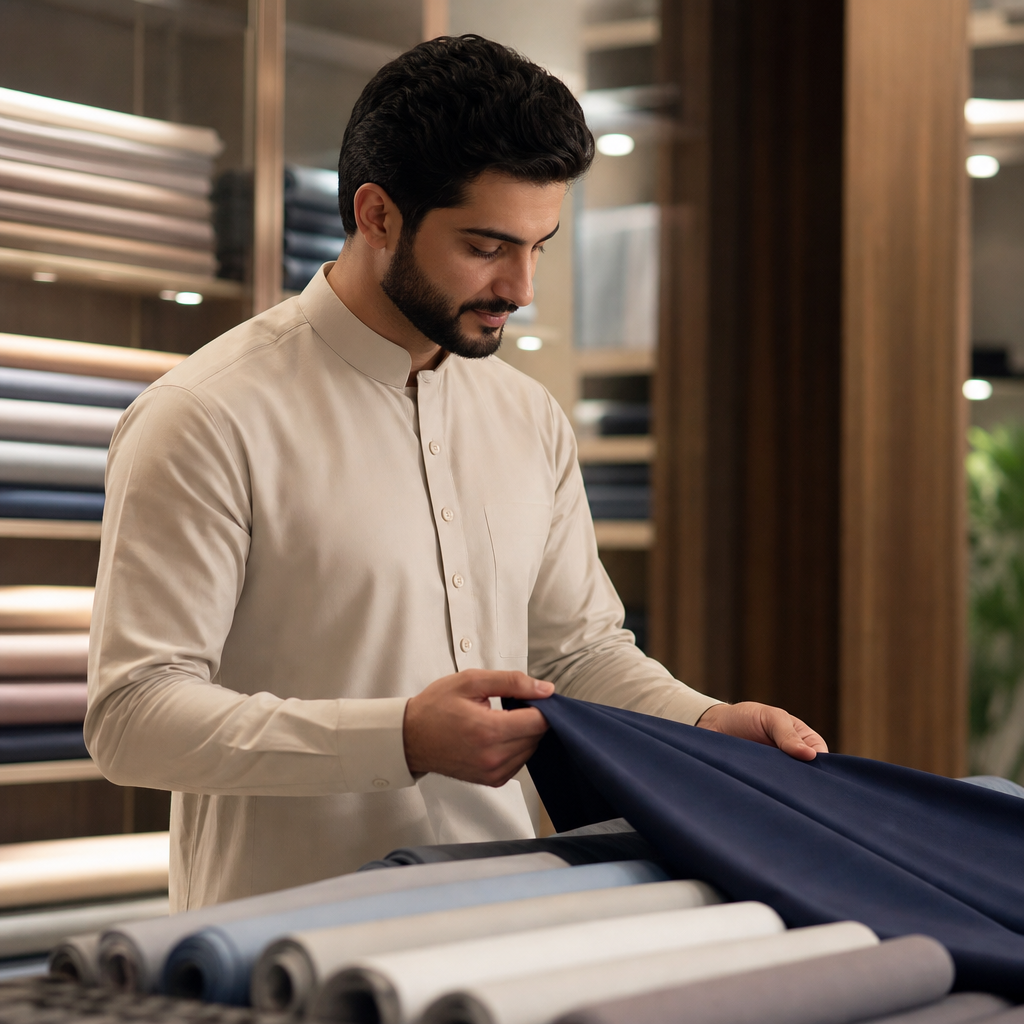
The shirt is one of the most enduring garments in the history of fashion. Whether worn open-collared on a weekend afternoon or buttoned to the top in a boardroom, it carries an almost unmatched versatility. Yet despite its ubiquity, choosing the right shirt — one that flatters your frame, suits your lifestyle, and holds its shape wash after wash — remains a challenge many people underestimate. The difference between a shirt that looks effortless and one that simply looks worn often comes down to three things: quality of construction, precision of fit, and intentionality of styling.
Why Fit Is the Foundation of Every Great Shirt
Before considering color, pattern, or fabric weight, fit must be the first conversation. A beautifully woven Oxford cloth shirt in a rich navy will look sloppy if the shoulders droop past their seams or the chest billows like a sail. Conversely, even a modest cotton poplin can look sharp and intentional when it sits correctly on the body.
The shoulder seam should rest precisely at the edge of your shoulder — not a centimeter beyond, not a centimeter short. The chest should allow comfortable movement without pulling at the buttons. The hem should be long enough to tuck cleanly or short enough to wear untucked without looking like an afterthought. These are not minor details. They are the structural pillars upon which every other styling decision rests.
The Case for Made-to-Measure
Off-the-rack sizing was designed for a statistical average — and most people are not statistical averages. If you have broader shoulders with a slimmer waist, or a longer torso relative to your sleeve length, standard sizing will always require compromise. This is precisely why made-to-measure shirtmaking has seen such a resurgence in recent years. If you are considering this route, understanding how to choose the right made-to-measure shirt maker is an essential first step — from understanding how measurements are taken to knowing which fabric weights suit different occasions.
Made-to-measure does not necessarily mean prohibitively expensive. Many modern shirtmakers have streamlined the process considerably, making custom construction accessible to a much wider audience than it once was. The investment, however, is not just financial — it is also one of time and attention. You are investing in a garment built specifically for your body, and that distinction shows every time you wear it.
Fabric Matters More Than Most People Realize
The fabric of a shirt determines not only how it looks but how it feels against the skin, how it breathes in warm weather, how it holds a crease, and how it ages over time. Cotton remains the dominant choice for good reason — it is breathable, durable, and takes dye beautifully. Within cotton alone, however, there is enormous variation.
Poplin is crisp and smooth, ideal for formal or business settings. Oxford cloth has a slightly textured weave that gives it a casual, relaxed character. Twill drapes with a subtle diagonal pattern and tends to resist wrinkling better than other weaves. Linen, while technically a separate fiber, offers unmatched breathability in summer but wrinkles readily — a trade-off many find entirely acceptable for its aesthetic charm.
Thread Count and Weave Density
Higher thread counts generally indicate a finer, softer fabric, but they are not the only marker of quality. The integrity of the weave, the finishing of the edges, and the consistency of the dyeing process all contribute to how a shirt performs over time. A well-constructed shirt in a mid-weight fabric will often outlast a poorly constructed one in a premium material. This is why construction quality — the stitching, the collar interlining, the button attachment — deserves as much scrutiny as the fabric itself.
Styling the Shirt: Versatility Done Right
Once you have a well-fitting shirt in a quality fabric, the styling possibilities expand considerably. The button-down shirt in particular has proven itself one of the most adaptable pieces in any wardrobe. Worn fully buttoned with tailored trousers, it reads as polished and professional. Left open over a plain white tee with slim jeans, it becomes relaxed and contemporary. Tucked into a midi skirt with the sleeves rolled, it takes on an entirely different character — effortlessly chic rather than strictly formal.
For those looking to push the styling envelope further, Harper’s Bazaar offers an inspiring guide on how to style a button-down shirt across a range of looks, from minimalist to maximalist. The key insight across all of them is the same: the shirt works best when the fit is right and the styling is intentional rather than accidental.
Collar Choices and Their Impact
The collar is the frame of the shirt — it draws the eye upward and shapes the overall impression of the garment. A spread collar reads as modern and confident, pairing well with a tie or worn open-necked. A point collar is more traditional and works across formal and casual contexts. A button-down collar has a distinctly American, preppy character that suits relaxed, smart-casual dressing. Choosing the right collar for your face shape and intended use is a small decision with a disproportionately large impact on the final look.
Fast Shirt Factory: Quality Shirtmaking at Scale
For those seeking a reliable source for well-constructed shirts without the extended lead times often associated with bespoke tailoring, Fast Shirt Factory has established itself as a compelling option in the custom shirtmaking space. Combining efficient production with attention to construction detail, the brand addresses a genuine gap in the market — offering shirts that are built to individual specifications without requiring weeks of waiting or a premium price point that puts quality out of reach.
The appeal of this kind of service lies in its practicality. Whether you need a single dress shirt for a specific occasion or a run of shirts for a team or event, having access to a manufacturer that prioritizes both speed and quality changes the equation considerably. It removes the compromise that has long defined the middle ground between off-the-rack convenience and bespoke precision.
Building a Shirt Wardrobe That Works
Rather than accumulating shirts indiscriminately, a more considered approach is to build a small, intentional collection that covers the full range of your lifestyle needs. A crisp white poplin shirt handles formal occasions. A chambray or light blue Oxford covers smart-casual territory. A linen shirt in a neutral tone manages warm-weather dressing. A flannel or heavier twill rounds out the cooler months. Four or five shirts, chosen carefully and fitted properly, will serve you better than a drawer full of mediocre ones.
Conclusion: The Shirt as a Long-Term Investment
The shirt is not a throwaway item. When chosen thoughtfully — with attention to fit, fabric, construction, and styling — it becomes one of the most reliable and rewarding pieces in your wardrobe. It adapts to seasons, occasions, and moods with a flexibility few other garments can match. Investing the time to understand what makes a great shirt, and where to find one, is an investment that pays dividends every time you get dressed.
