
Table of Contents
- Regular Inspections
- Proper Waste Disposal
- Tree Root Management
- Upgrading Old Pipes
- Installing Backwater Valves
- Monitoring Warning Signs
- Professional Cleaning
- Landscaping Considerations
Sewer line problems can disrupt your daily life and often lead to costly repairs. For Salt Lake City homeowners, being proactive is key to avoiding these issues. By learning about the most common causes and practicing smart preventive care, you can protect your investment, save money, and experience fewer disruptions. If you suspect you may be facing a plumbing emergency or need expert assessment, main sewer line repair in Salt Lake City technicians can help you diagnose and address problems quickly.
Sewer lines are an essential part of any property’s infrastructure. When they are neglected or abused, minor issues can quickly turn into severe headaches, such as sewage backups, water damage, and unpleasant odors indoors and out. Proper knowledge and hands-on maintenance not only extend the lifespan of your pipes but also safeguard your entire plumbing system from avoidable complications.
Regular Inspections
Proactive inspections are the foundation of reliable sewer line care. Homeowners should schedule annual or biennial inspections with a professional plumber who can use high-definition cameras and pipe location sensors to assess the system’s health. These inspections reveal early warning signs, like root intrusions or pipe cracks, long before catastrophic symptoms appear. According to the experts at This Old House, regular sewer line inspections with cameras can prevent major surprises and reduce repair costs over time.
Proper Waste Disposal
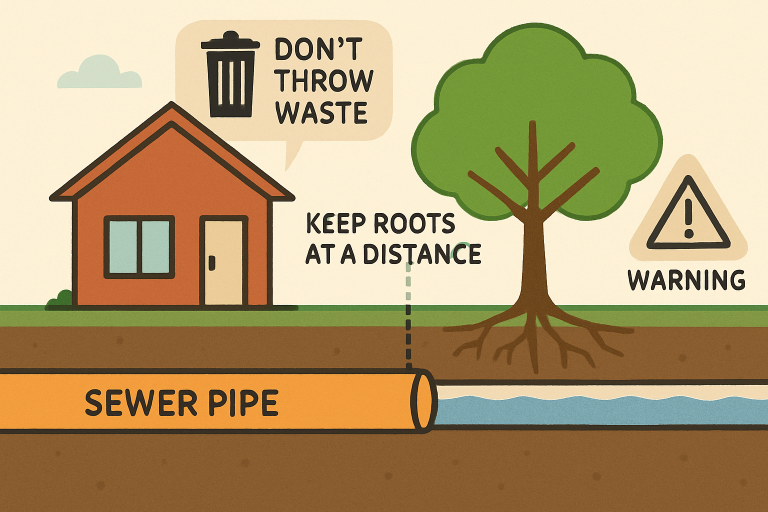
Most household clogs stem from putting the wrong items down the drain. Never flush wipes (even if labeled “flushable”), feminine hygiene items, paper towels, or dental floss. These products do not break down and often form stubborn blockages. Kitchen grease and oil are equally problematic, as they cool inside pipes and create thick buildup that restricts flow. The best practice is to discard solids and grease in the trash and to scrape plates thoroughly before rinsing them in the sink.
Tree Root Management
Tree roots are naturally drawn to sewer lines because of the moisture and nutrients they provide. Over time, roots can infiltrate tiny cracks and grow inside the pipe, causing recurring blockages and even pipe collapse. To safeguard your sewer line, plant trees and large shrubs more than 10 feet away from lateral sewer lines. If mature trees or older pipes surround your home, schedule a professional root assessment and, if needed, trimming. Modern root barriers can also help stop this problem from the start.
Upgrading Old Pipes
Materials matter for long-term sewer health. Older homes often have terracotta, clay, or cast-iron pipes, which are more prone to corrosion, cracks, and root intrusion. Upgrading to modern materials such as PVC or HDPE enhances performance and longevity. If you experience repeated backups, slow drains, or a home built before 1980, it may be time to invest in a pipe replacement. Consult a licensed plumber for recommendations tailored to your property’s geology and landscaping.
Installing Backwater Valves
Backwater valves play a crucial role in protecting homes from sewage backups, particularly in low-lying or flood-prone areas. These simple mechanical devices close automatically when water starts flowing backward from the main sewer, keeping your interior dry and safe. Many municipalities encourage, or even require, backwater valve installation during major renovations or new construction. For more information on local plumbing regulations, review the EPA’s guide to septic systems and sewer connections.
Monitoring Warning Signs
Awareness is the first defense against major sewer problems. Watch for warning signs like multiple slow drains, gurgling noises in pipes, sewer odors indoors, and water backing up where it shouldn’t, such as in basement drains or first-floor tubs. These symptoms often indicate an obstruction or damage somewhere in the line and should never be ignored. If any of these signs appear, call a professional promptly to investigate and stop the problem from worsening.
Professional Cleaning
Routine professional cleaning, especially hydro-jetting, ensures your pipes remain free of sludge, grease, and root debris that chemicals or store-bought snakes cannot remove. A plumber uses high-pressure water to scour the pipe walls, restoring them to near-original capacity. Even if you have not experienced a clog, periodic cleaning every few years can substantially extend the life of your sewer line and help pinpoint developing issues early.
Landscaping Considerations
The layout and maintenance of your landscape can affect the lifespan of your sewer line. Always grade yards away from your home’s foundation to divert water from your pipes and foundation. Make sure gutters, downspouts, and drainage systems keep rainwater out of your sewer system. Clean these regularly to reduce the chance of clogs from decomposing leaves and other organic matter.
By staying informed and taking proactive steps, homeowners can minimize the risk of costly sewer line repairs and protect their property’s plumbing system for years to come. Routine maintenance and prompt attention to warning signs are your best tools for preventing severe disruptions.
