
Achieving a well-defined body contour can be challenging, even for individuals who maintain a balanced diet and an active lifestyle. Genetics, hormonal changes, aging, and natural variations in fat distribution can contribute to stubborn fat deposits that remain resistant to conventional weight management efforts. These areas commonly include the abdomen, thighs, hips, arms, and waist.
Liposuction is a cosmetic surgical procedure designed to remove localized fat deposits and improve body contours. Advances in surgical techniques have expanded treatment options, allowing plastic surgeons to develop personalized approaches based on individual anatomy and aesthetic preferences. Understanding how liposuction works, its potential benefits, and recovery requirements can help individuals make informed decisions about their body contouring goals.
Understanding How Liposuction Works
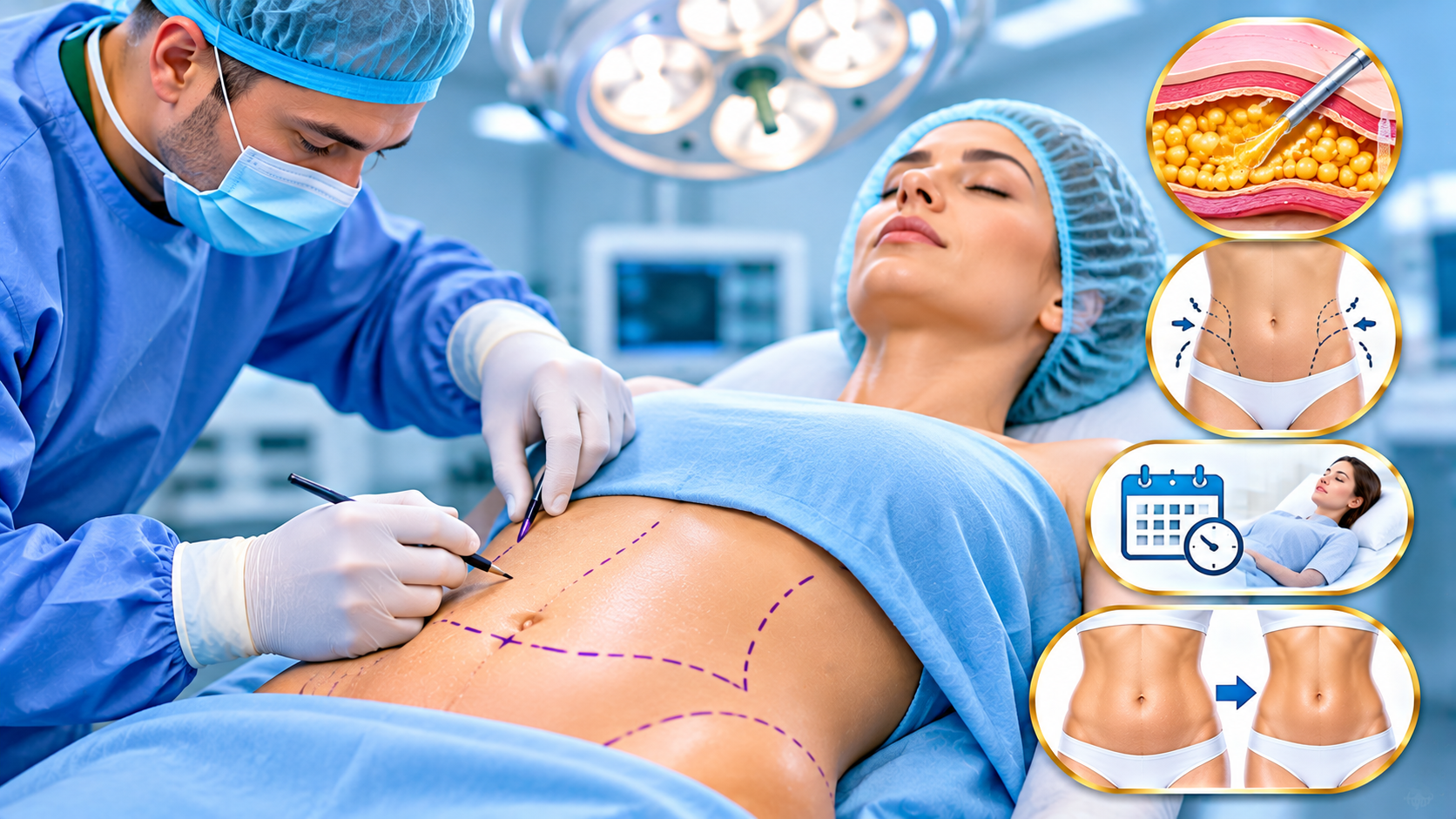
Liposuction involves removing excess fat from specific areas of the body through a carefully controlled surgical process. During the procedure, a plastic surgeon makes small incisions and uses a specialized instrument called a cannula to remove unwanted fat deposits through suction.
Individuals researching liposuction san antonio can explore available body contouring treatments and consult a qualified plastic surgeon to determine which approach may be suitable for their aesthetic goals and medical circumstances.
Unlike traditional weight loss methods, liposuction targets localized fat deposits rather than reducing overall body weight. It is not a treatment for obesity or a replacement for healthy eating and regular physical activity.
NHS+1
Common Areas Treated With Liposuction
Liposuction can address several areas of the body where localized fat deposits affect natural contours. The abdomen and waist are common treatment areas, particularly among individuals seeking improved definition around their midsection.
The thighs, hips, upper arms, back, chin, and neck may also be suitable for treatment. Each area requires careful assessment to determine the appropriate amount of fat removal and achieve balanced results.
Plastic surgeons consider factors such as skin elasticity, body proportions, existing fat distribution, and individual treatment objectives when developing a surgical plan. The goal is to improve contours while respecting the patient’s natural physical characteristics.
Different Types of Liposuction Techniques
Modern liposuction techniques offer different approaches to removing unwanted fat deposits. Traditional suction-assisted liposuction uses a cannula connected to a suction device to remove fat from targeted areas.
Tumescent liposuction involves introducing a specialized fluid into the treatment area to help facilitate fat removal and reduce bleeding. Ultrasound-assisted and laser-assisted techniques use energy to help disrupt fat tissue before removal.
Power-assisted liposuction uses a mechanically moving cannula to assist with fat removal. Each technique has particular advantages, limitations, and potential risks. Energy-assisted procedures may also introduce risks associated with heat exposure.
The most appropriate technique depends on the patient’s anatomy, medical history, treatment area, and the surgeon’s professional assessment. No single method is necessarily suitable for every individual.
NHS+2
Who Is a Suitable Candidate for Liposuction?
Liposuction may be appropriate for adults who maintain a relatively stable weight but have localized fat deposits they wish to address. Suitable candidates generally have good overall health, reasonable skin elasticity, and realistic expectations regarding cosmetic improvements.
Individuals with medical conditions that interfere with healing or increase surgical risks may require additional medical evaluation. Nicotine use can also affect recovery and increase the likelihood of complications.
A comprehensive consultation allows the surgeon to assess individual suitability and explain potential treatment outcomes. Patients should pursue cosmetic surgery based on personal preferences rather than external expectations or pressure to achieve a particular body shape.
American Society of Plastic Surgeons+1
Potential Benefits of Liposuction Surgery
One of the primary benefits of liposuction is its ability to improve body proportions by addressing specific areas of unwanted fat. Removing localized fat deposits may create more defined contours and a more balanced appearance.
Some individuals may experience greater comfort when wearing certain clothing styles or participating in everyday activities. Liposuction can also complement other cosmetic procedures when a qualified surgeon determines that combined treatment is medically appropriate.
However, liposuction does not reliably eliminate cellulite, stretch marks, or significantly loose skin. Patients should understand these limitations and maintain realistic expectations about the degree of improvement that surgery can provide.
Ultimately, treatment satisfaction depends on individual circumstances, surgical outcomes, personal expectations, and recovery experiences.
Preparing for a Liposuction Procedure
Proper preparation is an important component of surgical planning. During the initial consultation, patients should provide accurate information about their medical history, allergies, medications, previous surgeries, and lifestyle habits.
The surgeon may request medical examinations or laboratory tests to evaluate overall health and identify potential risk factors. Patients should follow individualized instructions regarding medications, nicotine cessation, and preparation for anesthesia.
Arranging transportation and assistance at home can also make the initial recovery period more manageable. Individuals should discuss anticipated recovery requirements with their employer and organize their personal responsibilities before undergoing surgery. Careful preparation allows patients to concentrate on healing without unnecessary interruptions.
What to Expect During Liposuction Recovery
Recovery experiences vary depending on the number of areas treated, the extent of fat removal, and individual healing characteristics. Swelling, bruising, soreness, and temporary changes in skin sensation are common during the early postoperative period.
Surgeons frequently recommend compression garments to support treated tissues and manage swelling. Gentle movement may be encouraged when medically appropriate, while physically demanding activities should be postponed until the surgeon provides clearance.
Returning to work and regular daily activities depends on the complexity of the procedure and the patient’s occupation. Although initial improvements may become noticeable within several weeks, final contours can take several months to develop as swelling gradually decreases.
Attending follow-up appointments allows the medical team to monitor healing and address potential concerns.
American Society of Plastic Surgeons+1
Understanding Potential Risks and Complications
Like other surgical procedures, liposuction involves potential complications that patients should understand before making treatment decisions. These may include infection, bleeding, fluid accumulation, irregular contours, persistent numbness, and unfavorable scarring.
More serious complications may involve blood clots, fat embolism, damage to underlying tissues, or adverse reactions to anesthesia. The level of risk depends on individual health, surgical complexity, and the extent of treatment.
Choosing a board-certified plastic surgeon and an appropriately accredited surgical facility is an important safety consideration. Patients should seek immediate emergency medical attention if they experience chest pain, difficulty breathing, or other signs of a serious postoperative complication.
American Society of Plastic Surgeons+1
Maintaining Long-Term Liposuction Results
Liposuction removes fat cells from targeted areas, but remaining fat cells can increase in size if an individual gains weight. Maintaining a stable weight through sustainable lifestyle habits can help preserve improvements in body contour.
Balanced nutrition, adequate hydration, regular physical activity following medical clearance, and sufficient rest contribute to overall well-being. Patients should also recognize that natural aging and hormonal changes can influence body appearance over time.
Rather than viewing liposuction as a permanent solution to every aesthetic concern, individuals should consider it one component of their broader personal wellness and body contouring journey.
Conclusion
Liposuction provides a personalized surgical approach to addressing localized fat deposits and improving body contours. With various treatment techniques available, qualified plastic surgeons can develop individualized plans based on patient anatomy, medical suitability, and aesthetic preferences.
However, achieving satisfactory results requires realistic expectations, careful preparation, appropriate postoperative care, and an understanding of potential surgical risks. By consulting an experienced plastic surgeon and maintaining healthy lifestyle habits, individuals can make informed decisions that prioritize personal satisfaction, patient safety, and long-term well-being.
