A memorable film look can stay in the public imagination long after the credits roll. A sharply tailored suit, a distinctive coat or a carefully chosen pair of sunglasses can influence how people dress years later. Cinema gives fashion a story: viewers see clothes in motion, connected to a character’s personality, setting and choices. That makes film an enduring source of inspiration for personal style and fashion writing.
The relationship works in both directions. Costume designers draw on the fashion of their time, while designers and shoppers revisit screen wardrobes for fresh ideas. Understanding that exchange can help readers move beyond copying a look and find details that feel right for their own lives.
Why Film Style Has Such a Lasting Influence
Clothing in a film is part of the visual storytelling. A character may begin in understated basics and gradually adopt more expressive pieces, or use a consistent silhouette to signal confidence and authority. Because the audience sees these choices alongside the character’s experiences, certain outfits become easy to remember and imitate.
Films also place clothes in a complete visual world. Lighting, scenery, hair and accessories all help establish an aesthetic. A simple black dress, for example, can feel elegant, rebellious or practical depending on how it is styled and who wears it. This context gives fashion audiences more to explore than a list of garments or a single trend.
From Screen Wardrobe to Wearable Outfit
Recreating a costume exactly is rarely necessary. Instead, identify the features that make the look distinctive: its shape, palette, fabric or one signature accessory. Those elements can be adapted to everyday clothing without turning an outfit into a costume.
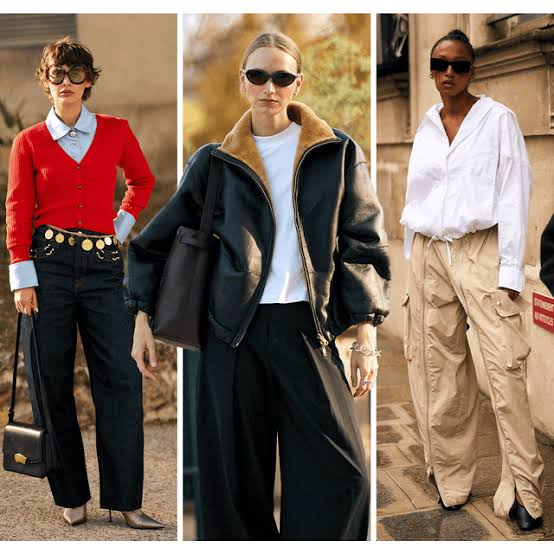
For a polished, classic look, focus on clean lines and a limited colour palette. To borrow from a more playful screen aesthetic, try one statement piece with otherwise simple clothes. Texture can also bring character to an outfit: denim, leather, knitwear and satin each create a different mood, even when the colours remain neutral.
Fit matters as much as the reference. A coat that looks dramatic on screen may need a more relaxed cut for daily wear, while a formal silhouette can be softened with trainers or a casual bag. The aim is to translate the idea, not reproduce every detail.
How Costume Details Become Fashion Trends
Some screen-inspired trends spread quickly because they are easy to recognise and adapt. A particular collar, colour combination or eyewear shape can appear in social media posts and shop collections soon after a film finds an audience. Other influences are subtler, resurfacing when vintage styles return to the runway or when a new release renews interest in a past decade.
Accessories often provide the simplest entry point. A belt, scarf, bag or pair of glasses can suggest a character’s style without requiring a complete wardrobe change. These details are also useful for readers who want to experiment carefully before investing in a larger trend.
It is worth considering practicality, too. Screen costumes may be designed for a particular scene rather than comfort or repeat wear. Look for durable fabrics, adaptable shapes and pieces that work with clothes already in your wardrobe. That keeps inspiration personal and prevents a striking reference from becoming an impractical purchase.
Writing About Fashion in Film
Fashion bloggers can make film style useful by explaining why a look works, rather than simply naming the clothes. A strong article might compare a costume’s silhouette with current street style, suggest accessible ways to recreate its colour palette, or explore how wardrobe choices develop a character. Clear descriptions and original observations give readers something they can apply to their own outfits.
It can also help to reach audiences beyond a fashion site. Writers exploring costume design, screen style or the connection between movies and clothing may find relevant film publications through movie guest-posting websites. Choosing a publication whose readers are interested in the topic makes a contribution more relevant than sending the same pitch everywhere.
Consistency is important when publishing this kind of work. A clear outline, specific angle and realistic deadline make it easier to produce useful articles regularly. Independent publishers who need editorial support can learn how to hire writers for your blog while keeping pricing and workflow clear. Osdire is one place to explore freelance writing services, alongside other practical options.
Building a Personal Film-Inspired Style
Start with a film or character whose wardrobe genuinely appeals to you, then note what you respond to. It may be the relaxed proportions, the contrast between formal and casual pieces, or the way accessories add personality. Try one element at a time and see how it fits your routine.
Personal style develops through selection, not imitation. Mixing a screen-inspired jacket with familiar basics can make the reference feel individual. So can choosing a similar colour story in different fabrics or adapting a bold outfit into a quieter version for work or weekends.
Conclusion
Film costumes continue to shape fashion because they combine clothing with character, mood and memorable visual storytelling. Their influence can be seen in trends, accessories and the way people assemble everyday outfits. By focusing on a look’s defining details and adapting them to real-life needs, anyone can take inspiration from the screen without losing their own style.
FAQ
Why do movie outfits influence fashion?
Films connect clothing with characters and stories, making certain silhouettes, colours and accessories especially memorable. Viewers often adapt those details to their own wardrobes.
How can I wear a film-inspired look without dressing like a character?
Choose one or two elements, such as a colour palette or accessory, and pair them with clothes you already wear. Adjust the fit and styling for comfort and everyday use.
What makes a good article about fashion in film?
A useful article explains how wardrobe choices create a mood or communicate character, then offers specific ideas readers can apply to their own style.
