
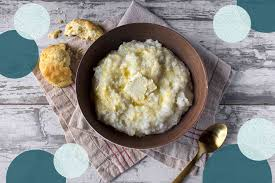
If you are wondering are grits good for you, the straightforward answer is that grits can be part of a balanced diet, but their health impact depends on factors like preparation, portion size, and overall dietary context. Grits are a starchy food made from ground corn, offering a source of carbohydrates and some essential nutrients, but understanding their real cost and access considerations helps paint a clearer picture of their role in health and weight management.
What Are Grits and Where Do They Come From
Grits are a traditional Southern staple in the United States, made by coarsely grinding corn kernels. They can be found in various forms, including instant, quick-cooking, and stone-ground varieties. Each type has differences in texture, cooking time, and nutritional profile. Stone-ground grits tend to retain more fiber and nutrients compared to instant versions, which are often more processed.
Because grits are primarily carbohydrate-based, they provide energy but limited protein or fat. The cooking method and toppings typically define whether grits are a light or calorie-dense meal. This is important for anyone considering grits as part of a weight loss or healthy eating plan.
Cost Considerations: Budget-Friendly but Variable
One reason grits remain popular is their affordability. A basic package of grits usually costs less than many breakfast grains or processed cereals. This makes them accessible to a wide range of households, especially where budget constraints influence food choices.
However, the price can vary by type and brand. Stone-ground grits and organic options tend to be more expensive than instant varieties. Additionally, adding ingredients like cheese, butter, or cream can increase the meal’s cost and calorie content.
Access and Availability Challenges
While grits are widely available in the southeastern United States, they may not be as common or easy to find in some other regions or countries. This can affect how often people include grits in their diet and whether they can access higher-quality options.
In some areas, grits are found only in specialty stores or require ordering online, which can affect freshness and price. Consumers interested in grits for health reasons should consider both local availability and the form they are purchasing.
Nutritional Tradeoffs: Whole Grains Versus Processed
A key factor in determining are grits good for you is the nutritional quality of the specific product. Stone-ground grits offer more fiber and micronutrients, supporting digestion and satiety, compared to highly refined instant grits which may quickly raise blood sugar levels.
Because grits are low in protein and fat, pairing them with nutrient-dense foods like eggs, vegetables, or lean proteins maximizes their health value. Without these additions, grits alone may not provide a balanced nutrient profile.
Practical Evaluation Framework for Choosing Grits
To decide if grits fit your dietary needs, consider these criteria:
1. Type of Grits: Choose stone-ground or whole-grain varieties when possible for better nutrition.
2. Portion Size: Keep servings moderate to manage carbohydrate intake and calorie balance.
3. Preparation Method: Limit added fats and sodium by avoiding excessive butter, cream, or cheese.
4. Meal Pairings: Combine grits with protein and fiber-rich foods for balanced meals.
5. Cost and Access: Factor in your local availability and budget constraints to select the best option.
By weighing these factors, you can make informed decisions about including grits in your diet.
For an in-depth exploration of grits and weight loss, this FormBlends breakdown offers a detailed look at the nutritional considerations and practical tips for incorporating grits into healthier eating habits.
Frequently Asked Questions
Are grits gluten-free?
Yes, grits are naturally gluten-free since they are made from corn. However, cross-contamination can occur during processing, so checking packaging labels is advisable for those with gluten sensitivities.
Can grits help with weight loss?
Grits alone are not a weight loss food, but when consumed in appropriate portions and paired with nutrient-rich foods, they can be part of a healthy diet that supports weight management.
How do instant grits compare to stone-ground grits?
Instant grits cook faster but are more processed, often losing fiber and some nutrients. Stone-ground grits retain more of the corn kernel’s natural components, making them a more nutritious choice.
Final Note
This article provides general information about grits, their nutritional value, and practical considerations. It is meant for informational purposes only and should not replace professional dietary or medical advice tailored to individual health needs.
