

Key Takeaways
- Proper preparation and research lay the foundation for a safe adventure.
- Always match your hiking plans with your current fitness and abilities.
- Respecting wildlife and adhering to park regulations helps maintain park ecosystems.
Setting off on your first hiking adventure in a national park can be one of the most unforgettable experiences of your life. The landscapes, the fresh air, and the sense of accomplishment found on these trails are second to none. However, many first-time hikers unknowingly make preventable mistakes that can turn excitement into frustration or even danger. Whether you’re planning to explore a local reserve or eyeing scenic hiking tours in Grand Teton National Park, solid preparation is the key to a safe and enjoyable journey.
Without enough knowledge and foresight, hikers frequently encounter situations that could have been avoided with just a bit of research or gear planning. Neglecting basic trail etiquette, underestimating the power of local weather, or getting too close to wildlife can turn a memorable trip into a cautionary tale. By learning from other hikers’ common pitfalls, you can significantly enhance your experience and preserve the natural beauty of these wilderness areas for future visitors.
Neglecting Proper Planning and Research
Hiking without researching your route is easily the most common beginner mistake. Each national park has distinct features, hazards, and regulations, which you can review on official park service websites and prominent outdoor publications like Outside Online. Maps, recent trail conditions, and alerts will help you prepare for what lies ahead. Your adventure will be more enjoyable and less stressful if you avoid arriving underprepared or unaware of crucial park-specific details.
Overestimating Physical Fitness
Many hikers choose challenging or lengthy routes based on enthusiasm rather than a realistic assessment of their current fitness level. Elevation, unstable terrain, and the duration of your hike are significant factors in how tiring a journey will be. It is much safer and more rewarding to pursue trails that match your abilities, starting with easier hikes and gradually working your way up to harder ones. This approach helps prevent exhaustion and reduces the risk of injury or the need for rescue assistance.
Inadequate Hydration and Nutrition
Bringing insufficient water or snacks is a common pitfall among first-timers. Dehydration does not always present clear warning signs, particularly during extended physical activity. According to the U.S. Forest Service, it’s essential to drink plenty of water, even on cool, wet days, and to carry high-energy snacks to maintain your energy levels throughout the hike.
Ignoring Weather Conditions
One of the biggest surprises for new hikers in national parks is how quickly the weather can change. What starts as a sunny morning might turn into a cold rainstorm or a temperature drop by afternoon. Always check forecasts for both your starting elevation and the highest elevation you will reach, and dress in layers that let you adapt quickly as conditions shift. Proper gear, including a lightweight rain jacket, can be lifesaving if the weather turns severe while you are hours from shelter.
Disregarding Trail Etiquette and Safety
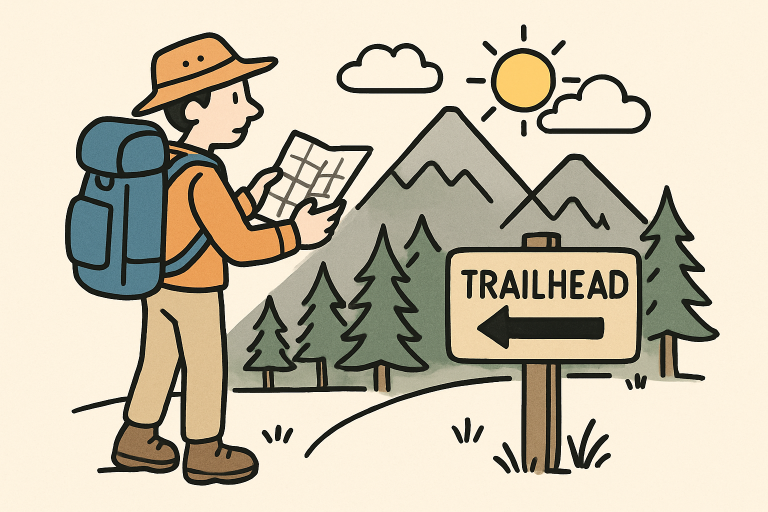
Straying from marked trails puts both the environment and your safety at risk. Wandering off-trail can accelerate erosion and increase your chances of getting lost. Letting someone know your itinerary before you start hiking is a necessary precaution. Should you run into trouble, this information will help search crews find you more quickly. The National Park Service offers detailed guidance on safety and etiquette that all visitors are encouraged to review before heading out.
Getting Too Close to Wildlife
It may be tempting to get a photo or offer food to park animals, but doing so can have serious consequences. Every year, there are news stories, such as in Yellowstone National Park, where incidents between visitors and wildlife have ended poorly for both parties. Animals that become too comfortable around people lose their instincts and can become more aggressive in their search for food. For your safety and theirs, observe wildlife from a safe distance and never feed them.
Overpacking or Underpacking Gear
The right balance of equipment ensures both comfort and readiness for unplanned situations. Overpacking can leave you struggling with unnecessary weight, while underpacking means missing essential items like a first-aid kit, navigation tools, or emergency clothing. Focus on packing lightweight, versatile items, and regularly review your gear list so you become familiar with what you genuinely need for different hikes.
Not Adhering to Leave No Trace Principles
Failing to follow Leave No Trace principles can have a lasting negative impact on both the park and future visitors. Carry out all your trash, respect other hikers by minimizing noise, and leave natural features undisturbed. The outline these principles in detail and are an essential resource for everyone preparing to hike in protected wilderness.
Avoiding these frequent mistakes transforms your first national park hiking trip from a basic outing to a truly enriching experience. By planning, respecting nature, and staying informed, you set yourself up for a safe, enjoyable adventure and reduce your impact on these treasured landscapes.
