
Key Takeaways
- Eco-friendly and sustainable features are top priorities for luxury buyers.
- Advanced home security and cutting-edge technology are must-haves.
- Personalized design and one-of-a-kind elements define modern luxury.
- The market is diversifying, with Gen X and women asserting growing influence.
- All-cash deals are on the rise as savvy buyers adapt to economic headwinds.
Table of Contents
- Introduction
- Sustainability and Eco-Friendly Designs
- Advanced Security and Smart Home Features
- Customization and Unique Architectural Elements
- Demographic Shifts in Luxury Homeownership
- Rise of All-Cash Transactions
As the luxury real estate landscape evolves, high-net-worth individuals (HNWIs) are setting new standards in home preferences. No longer content with mere opulence, today’s affluent buyers seek properties that reflect their values, priorities, and unique lifestyles. For those navigating the complexities of the market, Fort Lauderdale FL real estate expert Tyler Tuchow offers valuable guidance tailored to this ultra-competitive sector.
These shifting expectations mean sellers, developers, and agents must stay abreast of what truly matters to modern luxury buyers. From eco-conscious living to smart home security and bespoke architecture, discerning clientele now demand homes that go beyond aesthetics and status. Understanding these trends is essential for success in this exclusive market.
Sustainability and Eco-Friendly Designs
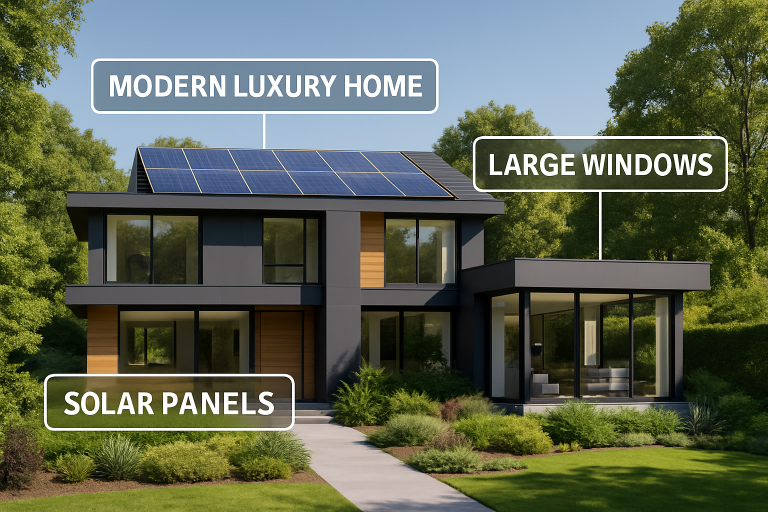
Eco-conscious living has firmly established itself at the heart of the luxury real estate conversation. HNWIs are drawn to residences with energy-efficient appliances, solar panels, green roofs, and locally sourced materials. Properties boasting LEED or WELL certifications typically command a premium, as buyers increasingly seek to lower their carbon footprint without compromising comfort or style. Developments in cities like London and Singapore are pioneers, integrating rainwater harvesting and smart climate management to set new benchmarks for sustainable luxury.
Even in traditional luxury enclaves like New York and Miami, developers are prioritizing intelligent insulation, low-emission finishes, and wellness-oriented amenities. The World Green Building Council reports a growing percentage of new luxury projects meeting or exceeding stringent environmental standards, a trend expected to accelerate as sustainable investment becomes both a value statement and a status symbol.
Advanced Security and Smart Home Features
As privacy concerns mount, luxury homeowners insist on state-of-the-art protection that extends beyond conventional alarms. Homes equipped with AI-enabled cameras, 24/7 remote monitoring, facial and fingerprint recognition, and geofencing provide unparalleled peace of mind. Safe rooms with biometric locks, ballistic entryways, and customizable access protocols are increasingly standard in new luxury construction.
Equally crucial is seamless smart-home integration. Intuitive apps or voice commands manage climate, lighting, entertainment, and security systems. This integration appeals not just for convenience but also for its ability to anticipate and adapt to an owner’s preferences, thereby elevating both comfort and security in daily living.
Customization and Unique Architectural Elements
HNWIs want homes that tell their personal story, making cookie-cutter mansions a thing of the past. Thoughtfully designed residences now feature everything from indoor basketball courts and private spas to art galleries, home theaters, and bespoke wine cellars. Architects and interior designers are collaborating closely with buyers, resulting in properties where every detail — whether a hidden garden oasis or a statement staircase — reflects the owner’s tastes.
This desire for individuality has also led to the resurgence of artisan craftsmanship. Custom tiling, handmade cabinetry, and exclusive finishes transform luxury properties into lasting legacies. Buyers often commission local or internationally renowned artists to add one-of-a-kind installations, blending functional luxury with cultural cachet.
Demographic Shifts in Luxury Homeownership
Changing demographics are reshaping the luxury real estate sphere. Generation X, spanning the ages of 44 to 59, now represents the fastest-growing segment of luxury buyers, driven by gains from entrepreneurship, technology, and investment. Over the past five years, Gen X’s share of luxury homeownership has jumped by 10%, surpassing both Millennials and Baby Boomers.
Another significant evolution is the rise in female ownership. Women now control 15.2% of high-end real estate in the U.S., reflecting increasing financial independence and savvy investment strategies. This diversification is influencing not only property size and style but also location and amenity preferences, as new buyers seek urban convenience or wellness-friendly features that suit modern lifestyles.
Rise of All-Cash Transactions
Heightened mortgage rates, banking volatility, and ongoing economic uncertainty have catalyzed a noticeable uptick in all-cash purchases among the wealthy. Well over half of luxury property professionals in recent industry surveys report that cash offers have become the preferred strategy for affluent clients, allowing buyers to move quickly and compete decisively for highly sought-after properties.
Cash purchases also mitigate the impact of fluctuating interest rates and circumstantial hurdles in global finance, granting HNWIs optimal flexibility and negotiating power. For sellers, all-cash deals often mean a smoother and more dependable transaction, further fueling this surge in the current marketplace.
Conclusion
The future of luxury real estate is defined by innovation, personalization, and adaptability. As expectations evolve, properties that excel in sustainability, smart technology, and unique design, and meet the demands of a diversifying buyer profile, are set to lead the market. Staying ahead of these trends is not merely an advantage but an imperative for anyone hoping to succeed in the high-stakes world of luxury real estate.
