
Table of Contents
- Private Living Quarters
- Flexible Common Areas
- Accessible Design Features
- Soundproofing and Insulation
- Separate Entrances and Kitchens
- Outdoor Spaces for Recreation
- Technological Integrations
- Case Study: Multi-Lineal Home in Singapore
As the demand for multi-generational homes rises, families and design professionals are reimagining residential spaces to support privacy, independence, and meaningful connection under one roof. Homeowners are seeking creative blueprints that accommodate several generations—from grandparents and parents to children—while ensuring comfort and harmony. With flexible layouts and intelligent design, it’s possible to transform any property into a sanctuary for the whole family. For those considering an investment in a customizable and luxurious home, these new ski residences for sale in Park City, Utah, offer a unique template for modern multi-generational living.
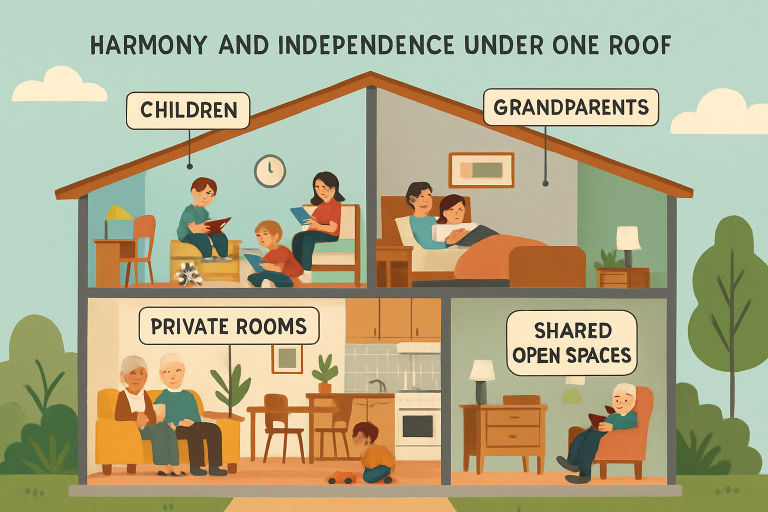
Multi-generational homes blend independence with community, making them increasingly relevant as adult children return home, elderly parents seek supportive family environments, and families prioritize togetherness. Thoughtful design solutions—ranging from separate entrances to advanced tech integrations—are essential for balancing privacy and shared living.
Private Living Quarters
One cornerstone of successful multi-generational design is the deliberate separation of living areas for each generation. Integrating in-law suites—with private entrances, bathrooms, and lounge areas—ensures privacy and dignity for aging parents or young adults. Finished basements and attic lofts also provide semi-independent zones in which members have a defined, personal domain. Detached accessory dwelling units (ADUs), such as backyard cottages or guest houses, are gaining popularity for creating comfortable, standalone spaces just steps from the main home.
- In-law suites designed for ultimate autonomy
- Basement and attic conversions are ideal for teens or extended family
- Detached ADUs that serve as secondary homes on the same property
These separate quarters not only promote individual freedom but also minimize tensions and interruptions, making everyday coexistence smoother for everyone.
Flexible Common Areas
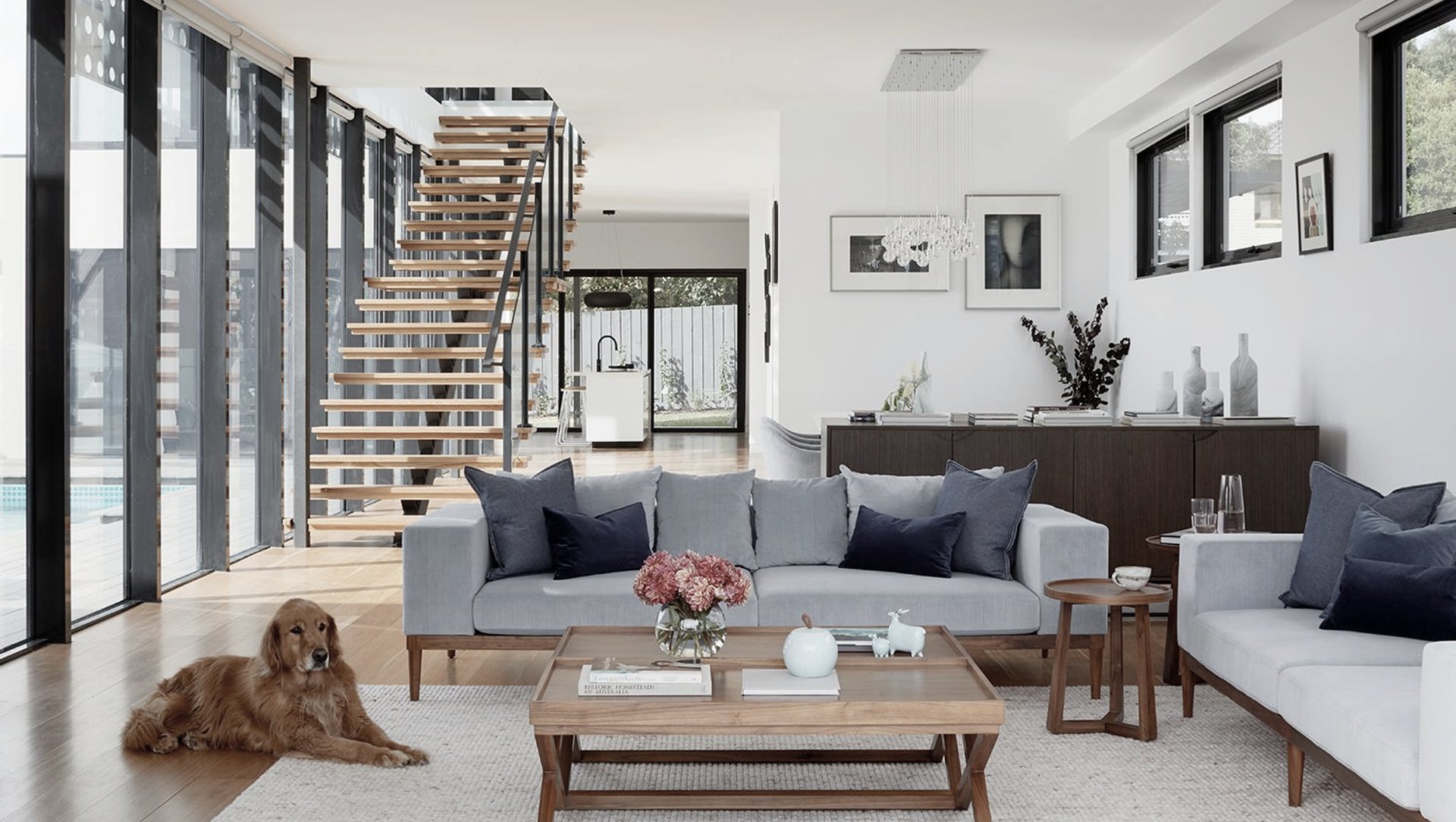
Common spaces should be as adaptable as the families who use them. Open-concept layouts encourage interaction, yet the use of sliding partitions or multi-functional furniture allows these spaces to be transformed according to the activity or group size. For example, a dining area can easily double as a homework station or community workspace, while living rooms can transition into playrooms or media zones with the right furnishings.
Design Considerations
- Open-plan living with movable dividers for multi-use functionality
- Multi-purpose rooms that adapt from dining to recreation to study zones
- Furniture with storage and convertible features
This flexibility ensures that shared areas meet the changing demands of family life, promoting both connection and personal space.
Accessible Design Features
For inclusive homes, applying universal design principles is essential. Features like wider doorways, step-free entries, and lever-style handles make everyday living easier and safer for everyone—from toddlers to seniors. Bathrooms with walk-in showers and adjustable fixtures, along with kitchens laid out for ease of reach, allow each member to navigate and use the home with confidence and comfort.
Soundproofing and Insulation
Sound management is an important consideration in homes where people of all ages live, especially if peace and quiet are priorities. Strategies such as installing acoustic panels, using double‑glazed windows, and installing insulation thoughtfully can help reduce noise transfer between bedrooms, living areas, and floors. High‑quality doors, carpets, and heavy draperies also help dampen sound, making it easier for family members to study or relax even when other parts of the house are active.
According to U.S. News, whether soundproof insulation is worth the cost depends on your specific needs and budget. Investing in materials that reduce sound transmission can significantly improve comfort and privacy, particularly in busy neighborhoods, near traffic, or in multi‑generation homes. Effective solutions range from wall and ceiling insulation or acoustic panels to upgraded windows and doors. While professional installation and high‑performance products carry a higher upfront cost, many homeowners find that the benefits, reduced noise, improved home comfort, and potentially higher property appeal, make these improvements worthwhile over time.
Separate Entrances and Kitchens
Offering private entrances to separate wings or units within the property boosts independence for adults or live-in relatives. Kitchens—whether full suites or smaller kitchenettes—enable each generation to prepare meals, entertain, and manage daily routines unfettered. These amenities reduce scheduling conflicts and maintain household harmony around shared resources.
Outdoor Spaces for Recreation
Shared outdoor spaces, such as landscaped gardens, patios, or play areas, provide a natural venue for relaxation, exercise, and family gatherings. Whether it’s a tranquil sitting area for seniors, a vegetable patch for enthusiasts, or a playground for children, outdoor zones enhance well-being and encourage bonding across generations.
Technological Integrations
Technological innovation is transforming how multi-generational households function. Customizable smart home systems—covering everything from climate control to security to entertainment—allow users to tailor the environment to their unique needs. Voice-activated devices, telehealth tools, and automated lighting ensure convenience and safety for all ages, while remote monitoring enables adult children to assist elderly parents discreetly, if needed.
Case Study: Multi-Lineal Home in Singapore
A standout example of excellence in multi-generational architecture is Singapore’s “Multi-Lineal” home. Designed to house three nuclear families across three stories, each level provides private bedrooms and living rooms, with shared spaces for family interaction. The clever use of separate suites and communal zones demonstrates how creativity and planning can yield both privacy and connection in a modern urban setting.
Innovative multi-generational homes enable families to enjoy the best of both worlds: personal independence and meaningful connection. Through strategic design, technological advances, and adaptable spaces, modern residences can support families of all shapes and sizes—today and for generations to come.
