
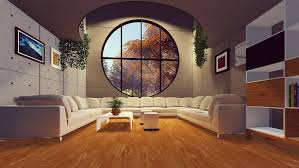
Your interior design can be a reflection of your color preferences and the aesthetic you want to achieve in your home. Partnering with a professional designer allows you to create a cohesive plan based on your vision. These professionals translate your ideas into functional layouts, and they help coordinate details such as lighting and furniture. Here are some ways to achieve a harmonious home interior design:
Incorporate Sensory Design
Professionals help design spaces that reduce sensory overload, enabling you to focus on tasks. In your design, prioritize minimizing noise with sound-absorbing materials in your walls or thick rugs. Use calming colors and textures to promote comfort. Lighting can also make a room appear overly bright, decreasing comfort for some people. If you are sensitive to glare, incorporate sensory design techniques to minimize distracting lighting.
Enhance Functional Flow
Your home interior design affects how you move through your space, and creating clear pathways between rooms can make your home appear more open and spacious. Optimize traffic flow by avoiding cluttered spaces and taking advantage of open-concept layouts. Incorporating smart storage solutions can also improve functional flow. Use hidden storage, such as cabinets under stairs or built-in wall shelves, to free up floor space; this promotes easier movement throughout your home.
Maximize efficiency by organizing items based on how often you use them. Keep everyday items easily accessible in the main living areas, and store occasional-use items in less frequently used spaces. This approach can improve functional flow and reduce clutter, creating a more organized living environment.
Focus on Aesthetic Cohesion
A professional interior designer understands how to harmonize design elements to achieve aesthetic cohesion. They can examine your existing space and belongings, and they assist you in curating a unified look. These professionals also guide you in selecting décor pieces that complement each other to create a cohesive environment. Maintaining a consistent color palette throughout the home helps balance the design elements. If you choose a neutral scheme of grey and white tones for your living room, continue this theme in the adjacent spaces, such as the dining area. Consistency can be achieved through similar shades, patterns, and textures, creating a seamless and harmonious flow.
Personalize Space Planning
Space planning helps you organize your home according to your specific needs. Your daily routine can highlight functional requirements, allowing you to make the most of each area. Working with a professional designer lets you designate spaces for activities like eating, working, and resting. Adding personal touches to the design, such as pictures of your loved ones or antiques, also makes the space uniquely yours.
An interior designer can assist you in arranging furniture for maximum accessibility, and they make sure it still creates a visually appealing environment. The layout of your home influences the flow of each area of your home. With effective planning, you can optimize each space for comfort, convenience, and aesthetic appeal.
Hire a Home Interior Design Professional
A home interior design professional assists with personalized space planning to maximize the potential of your home. You also gain a conceptual design that aligns with your vision. Contact a professional interior designer today for sensory design solutions that enhance comfort, functionality, and style in your living space.
