
Have you ever woken up late and just… looked at your hair and decided today was going to be a hat day?
Or maybe your roots get oily within 24 hours of washing, and no matter how well you style it, everything falls flat by noon?
Dry shampoo has become one of the most talked-about hair care solutions for refreshing hair quickly — without a drop of water. It’s not new, exactly, but the formulas have gotten genuinely impressive. Knowing how this product works makes a big difference, whether you’re protecting a blowout, recuperating from a workout, or simply giving yourself an extra day before wash day.
In this guide, we’ll cover what dry shampoo is, how it works, its benefits, how to use it properly, and — importantly — when you probably shouldn’t reach for it.
What Is Dry Shampoo?
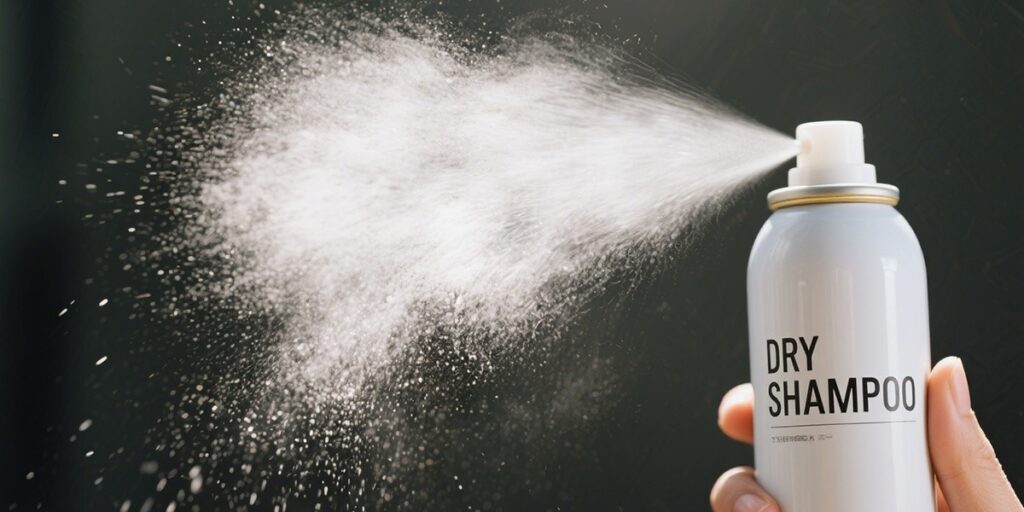
At its core, dry shampoo is a waterless product that absorbs oil, reduces scalp odor, and refreshes hair without any rinsing required. Most people know it as the stuff in the aerosol can. But powder versions exist too, and they’re worth knowing about.
The formula does the work through a handful of key ingredients. Rice starch, corn starch, and tapioca starch are the most common oil absorbers. Kaolin clay and silica show up frequently as well. Together, they pull sebum — your scalp’s natural oil — away from the hair shaft and trap it in the product’s particles.
Some formulas add fragrance, conditioning agents, or volumizing polymers on top of that. Nothing revolutionary, but it makes a difference in how the finished result feels and smells.
The key thing to understand is this: dry shampoo doesn’t actually clean your hair. It refreshes the appearance of it — and for a lot of people, on a lot of days, that’s exactly enough.
How Dry Shampoo Works
When you spray or dust it onto your roots, the starch and clay particles go straight to work absorbing sebum — the same oil that makes hair look heavy and greasy as the day goes on. Once absorbed, that oil is essentially trapped in the formula rather than sitting on your strands.
But here’s what most people skip: you have to let it sit. Thirty to sixty seconds minimum. The product needs time to actually absorb before you touch it.
After that, massaging it through with your fingertips and brushing it out is what finishes the job. Done right, that process distributes the formula evenly, removes any white residue, and leaves roots looking noticeably cleaner and lighter.
Beyond oil control, a good dry shampoo also does a few other things worth knowing:
- Neutralizes odor — the fragrance and astringent ingredients handle that temporarily
- Adds texture — starch particles create grip along the hair shaft, which gives fine hair something to hold onto
- Lifts volume — oily, weighed-down roots get lifted, and the hair looks fuller for it
It’s not magic. But it is genuinely useful.
Benefits of Using Dry Shampoo
The reason dry shampoo has become a staple for so many people is simple: it solves several problems at once, in under two minutes, with no water required.
The benefits most people notice first:
- Reduces oil and grease at the roots without any rinsing
- Saves real time — on a rushed morning or after a workout, that matters
- Improves volume and texture, especially on fine or naturally flat hair
- Extends blowouts and styles by two or even three days
- Travels easily — aerosol cans and powder compacts both fit in carry-on bags without drama
- Protects color-treated hair by reducing how often it needs to be wet-washed (which is when color fades fastest)
- Supports lower wash frequency, which dermatologists increasingly recommend for scalp regulation
For anyone trying to cut down on heat styling or just stretch their routine a little — it’s a practical, low-effort solution.
Who Should Use Dry Shampoo?
Honestly? Most people could find a use for it. But some benefit more than others.
Busy professionals are the obvious ones — a quick root refresh before a meeting beats washing and drying your whole head at 6am. Athletes need it too, especially people who train in the morning and work in an office by 9. You can’t always shower between those two things. Dry shampoo bridges that gap without it being obvious.
People with oily hair — particularly fine, straight hair — will see the most dramatic difference. Oil shows fastest on those textures, and the transformation after a good application can be pretty striking.
Frequent travelers appreciate the portability. People reducing wash frequency (a growing recommendation from scalp-focused dermatologists) use it to stay comfortable on the days between washes.
In short: if oily roots, a packed schedule, or an active lifestyle makes daily washing impractical, dry shampoo is one of the most effective tools you have.
How to Use Dry Shampoo Properly
This is where a lot of people go wrong — not with the product, but with how they apply it. The steps aren’t complicated, but the details matter.
- Shake the can thoroughly before spraying. The absorbing particles settle, and an unshaken can delivers an uneven formula.
- Hold it 6–8 inches from your scalp — not pressed against your roots. Distance matters more than most people realize.
- Spray in short bursts and focus on the oiliest spots: the crown, along your part, and the hairline around your face.
- Leave it alone for 30–60 seconds. Don’t touch it. Let the starch do its job.
- Massage it in with your fingertips to break up any white cast and work the formula through the roots.
- Brush or comb through from roots to ends to blend everything out.
Pro tip: Apply it the night before, not the morning of. Overnight absorption produces noticeably better results — you wake up with hair that looks like you washed it.
The most common mistake is spraying too close. You’ll end up with a chalky, visible mess, and no amount of brushing fully fixes it. Distance and patience are the whole game.
Dry Shampoo vs. Traditional Washing
Let’s be direct about this: dry shampoo is a between-wash tool, not a replacement for washing. Using it that way is fine. Relying on it indefinitely is not.
Use dry shampoo when you need to:
- Get through another day before a scheduled wash
- Refresh after a workout when a full shower isn’t happening
- Extend a style that still looks good but needs root help
- Touch up quickly before an event or a long day
Reach for actual shampoo and water when:
- There’s visible product buildup or flaking
- Your scalp feels itchy or irritated
- It’s been more than three or four days since you last washed
- You’ve been in a pool, the ocean, or somewhere that puts actual grime in your hair
Overuse — going days and days without a real wash — leads to buildup that can clog follicles and irritate the scalp. It’s not catastrophic, but it’s avoidable.
Think of dry shampoo as a bridge between wash days. Not a way around them.
Choosing the Right Dry Shampoo
Not every formula works for every head of hair. Getting this right is actually where most of the difference lives.
Fine or thin hair needs a lightweight formula — rice starch or silica-based, nothing heavy. A thick or clay-heavy product will flatten fine hair further, which defeats the point.
Thick or coarse hair can handle a stronger formula. Clay-based products tend to cut through denser oil production better than starch-only options.
Dark hair needs a tinted formula. Standard starch products leave a white cast that’s obvious on brunette or black hair, even after brushing. Tinted versions exist specifically for this and make a real difference.
Sensitive scalps should look for fragrance-free options with short, clean ingredient lists. Patch testing before a full application is always smart.
Aerosol vs. powder comes down to preference. Aerosols are more precise and faster. Powders are travel-friendly and tend to be gentler for those avoiding propellants.
One habit worth developing: read the ingredient list. The primary oil absorber — starch or clay — should appear near the top. If it’s buried behind a long list of silicones and fragrance compounds, the formula is probably more cosmetic than functional.
Many beauty brands work with experienced hair care manufacturers to develop formulations specifically tuned for different hair markets — adjusting absorption rates, finish, and scent for different consumer needs.
Choosing the right formula for your hair type is what separates a product you actually finish from one that sits forgotten under the bathroom sink.
Frequently Asked Questions About Dry Shampoo
Is dry shampoo safe for daily use?
Not really, no. Using it every day without washing in between leads to product buildup on the scalp — clogged follicles, potential irritation, and over time, possibly hair thinning. Most hair care professionals land on one to two uses between wash days as the sweet spot. It’s a refresh tool, not a substitute for an actual cleansing routine.
Can dry shampoo cause hair loss?
The product itself doesn’t cause hair loss. But chronic overuse — weeks of skipping washes and just layering dry shampoo — can create scalp conditions that weaken follicles or worsen existing issues. Used the way it’s intended, the risk is minimal. Used as a permanent replacement for washing? That’s a different story.
How often should you use dry shampoo?
Once or twice between wash days works for most people. If you wash every three days, one mid-cycle application is usually plenty. Very oily hair might need two. But at some point, no amount of dry shampoo replaces a proper cleanse — the scalp needs it.
What is the best dry shampoo for oily hair?
Look for formulas with kaolin clay or rice starch listed near the top of the ingredient list — those are the strongest oil absorbers available. Products specifically marketed for fine or oily hair tend to have higher concentrations of these. Avoid anything with heavy silicones near the top; they add weight and can make oily hair worse.
Does dry shampoo work on all hair types?
Yes, but the results vary. Fine and straight hair shows the most dramatic improvement because oil is most visible on those textures. Curly, coily, and thicker hair types still benefit — but a powder formula applied directly to the roots often works better than an aerosol for those textures.
The Bottom Line on Dry Shampoo
If greasy roots, not enough hours in the morning, or an active lifestyle have ever made you feel like you’re losing a battle with your own hair — dry shampoo is a practical, affordable, well-established answer to that problem.
Now that you know how it works, how to apply it correctly, and how to match it to your hair type, you can actually use it well — rather than just hoping for the best.
The formulas have genuinely evolved. What used to leave visible white powder and a faint aerosol smell now often delivers invisible finish, scalp-friendly ingredients, and results that last. Brands are investing more in this category, and it shows.
Use it wisely, keep up with actual washing, and it’ll become one of those products you quietly rely on every week without thinking twice.
Have questions about your hair care routine or dry shampoo recommendations for your hair type? Drop them in the comments below.
