
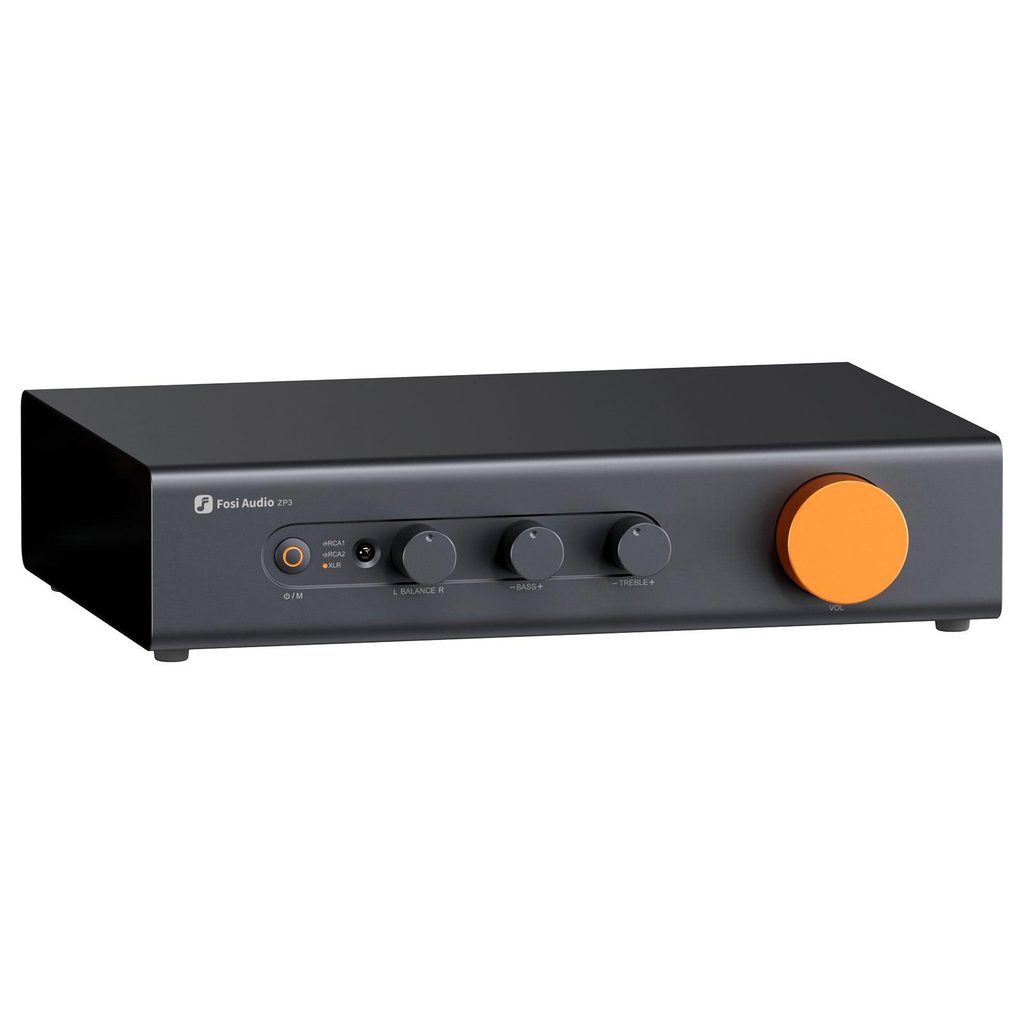
Vinyl has a reputation for emptying wallets, and some of that reputation is earned. But the phono stage is one place where spending more stops paying off surprisingly early. A modest, well-designed unit gets you nearly all of the sound quality that matters, and the money you save buys records — which is, after all, the entire point.
The trick is knowing what actually affects the sound and what is decoration. If you are comparing phono preamplifiers on a budget, the spec sheet will try to distract you with exotic materials and impressive-sounding numbers. Ignore most of it. A handful of practical things decide whether a budget unit sounds clean, quiet, and musical, and none of them require a luxury price tag.
What Actually Matters at a Modest Price
Three things decide the sound of budget phono preamplifiers: accurate equalization, low noise, and enough gain for your cartridge. Accurate equalization means the unit follows the RIAA curve closely, so bass is neither bloated nor thin. Low noise means silence between tracks rather than hiss. Enough gain means your amplifier does not have to work at the top of its volume range, where its own noise creeps in.
Everything else is secondary. Fancy casework does not change the sound. Gold-plated connectors do not change the sound. A brand name does not change the sound. What changes the sound is a competently designed circuit, a decent power supply, and honest specifications — all of which are available at modest prices from makers who compete on engineering rather than image.
Where You Can Happily Save Money
Skip the extras. Multiple inputs are pointless if you own one turntable. Adjustable loading and gain switches are genuinely useful, but only if your cartridge actually needs them — most moving-magnet cartridges are perfectly happy with standard settings. A built-in headphone jack, a USB output, or a Bluetooth transmitter are conveniences, not sound quality, and each one adds cost.
The same logic applies to the case. A plain metal box that shields the circuit properly beats a beautiful wooden enclosure that lets interference in. Your money should go into the circuit and the power supply, because those are the only parts your ears will ever meet. In other words, good phono preamplifiers spend their budget where your ears can find it.
- Pay for: accurate RIAA equalization, low noise, adequate gain.
- Skip for now: exotic case materials, extra inputs, digital features.
- Remember: the record collection is the investment, not the box.
Where Cutting Corners Costs You
There is one corner you should not cut: the power supply. The cheapest phono preamplifiers often run on a noisy plug-in wall wart, and that noise goes straight into the most sensitive signal in your system. A unit with a properly filtered supply, or one that accepts a cleaner external supply later, is worth a small premium.
The other false economy is buying a unit with too little gain for your cartridge. If you are constantly near maximum volume, you are amplifying your amplifier noise along with the music. Check your cartridge output, check the gain figure, and leave yourself comfortable headroom. A slightly more expensive unit with the right gain beats a cheaper one that leaves you straining to hear.
A Sensible Shopping Plan
Start with your cartridge: moving magnet or moving coil, and its output level. That single fact narrows the field enormously, because moving-coil cartridges need much more gain and are usually a separate, pricier category. For a standard moving-magnet setup, the budget field is crowded with good phono preamplifiers.
Then read real user reviews, not marketing copy, and look for the same complaints repeated: hum, thin bass, or a channel dying early are red flags. A unit with a boring, consistent record of working quietly is a better buy than a flashy one with mixed reports. Buy your phono preamplifiers from somewhere with a fair return policy, try it in your own system, and trust your ears in your room — not a review written in someone else studio. Buying used can stretch a budget further, but phono stages are one category where used carries real risk. Capacitors age, switches get noisy, and a previous owner may have damaged an input with a wrong connection. If you buy used, test thoroughly within the return window: silence between tracks, both channels equal, no crackle when switching settings. A refurbished unit from a reputable seller with a warranty is a safer middle ground than a random auction listing. Either way, budget for the possibility that a used bargain needs a service, and do not let a low price override the checks above — a quiet, honest new unit beats a temperamental bargain every time.
Budget vinyl is not compromised vinyl. A sensibly chosen phono stage, matched to your cartridge and free of gimmicks, will let your records sound like records: warm, detailed, and alive. Spend the savings on music. Your shelf will thank you more than your equipment rack ever could.
