
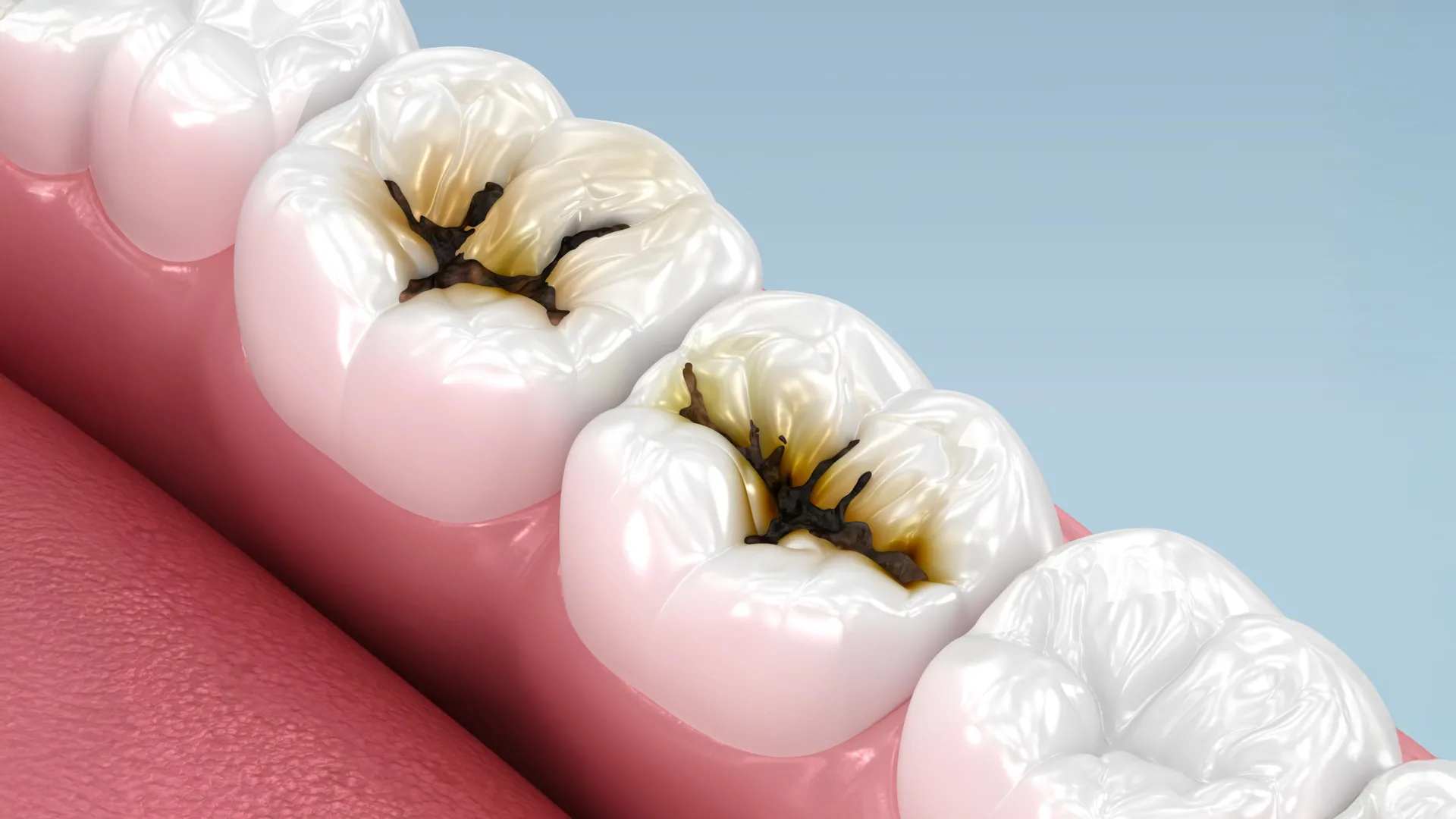
You brush your child’s teeth, you try to keep snacks in check, and then a dental visit for pediatric dentistry in Santa Clarita, CA brings news you did not expect. A cavity is hiding between teeth, or under the surface, and you are left wondering how that happened when nothing looked wrong at home. That reaction is common. Many parents assume tooth decay should be easy to spot, but some cavities stay out of sight until they have already grown.
That is the core issue with why some childhood cavities are invisible without dental imaging. A child can have decay that does not show as a dark spot, a hole, or obvious pain. X rays and other dental imaging tools help a pediatric dentist find trouble in places the eye cannot reach, which can mean smaller treatment, less stress, and fewer surprises.
Hidden tooth decay in children often starts where you cannot see
Most parents look for the same signs. Brown spots. Complaints about pain. Food getting stuck in one tooth. Those signs do happen, but many early cavities do not start on the top of a tooth where they are easy to notice. They often begin between teeth, just below the contact point, or under the outer enamel where the surface still looks intact.
That is why hidden tooth decay in children can keep moving without much warning. A child may eat normally, sleep fine, and say nothing hurts. Children also do not always describe dental pain clearly. They may avoid cold drinks, chew on one side, or get irritable at meals without saying, “My tooth hurts.”
Baby teeth have thinner enamel than adult teeth. Once decay gets through that outer layer, it can spread faster. A spot that looked minor or invisible a few months ago can become a larger cavity by the next checkup. That speed is one reason regular exams matter, and it is also why imaging is part of good pediatric dental care, not an extra step added without reason.
Dental imaging finds cavities that a visual exam can miss
A visual exam still matters. Dentists look at tooth color, shape, plaque buildup, gum health, and signs of wear. A mirror and light can only show exposed surfaces, though. They cannot see through enamel or inside tight spaces between teeth.
Dental imaging fills that gap. Bitewing X rays are often used to detect cavities between back teeth and to check whether decay has reached deeper layers. The American Academy of Pediatric Dentistry recommends radiographs based on each child’s age, risk, and clinical findings, rather than on a one size fits all schedule. You can review those pediatric dental radiograph recommendations for a clearer sense of how decisions are made.
If you have ever thought, “Couldn’t we just wait until it is visible?” the problem is that visible decay is often more advanced decay. Waiting can turn a small filling into a larger one, or even lead to infection, pain, and treatment that feels much bigger than anyone wanted.
Parents also worry about safety, and that concern makes sense. Dental X rays use very low radiation, especially with modern equipment and protective steps. MedlinePlus offers a plain language overview of dental X rays that explains what they show and why they are used.
A pediatric dentist balances early detection with your child’s real needs
Not every child needs imaging at every visit. A pediatric dentist looks at cavity risk, spacing, age, home care, diet, and whether teeth touch tightly enough to block a direct view. A child with deep grooves, frequent snacking, past cavities, or tight contacts between molars may need imaging sooner than a child with lower risk and open spacing.
This is where the conversation gets more personal. You may be weighing cost, fear, and the hope that things are probably fine. That is a hard mix. If your child already feels nervous at dental visits, adding X rays can seem like one more thing. If money is tight, you may wonder whether it is worth it. In many cases, finding a cavity early costs less, takes less time, and is easier on your child than treating a larger problem later.
For broader prevention guidance, MedlinePlus also has a helpful page on children’s dental health, including habits that lower cavity risk between visits.
Visible signs and dental imaging show very different parts of the problem
| What you notice at home | What dental imaging may reveal | What that can mean |
| No obvious holes or dark spots | Decay between teeth | Early treatment before the cavity grows |
| Mild sensitivity that comes and goes | Decay moving closer to the nerve | Faster treatment may prevent pain or infection |
| One tooth looks fine on the surface | Weakening under the enamel | A filling may be needed even without a visible opening |
| Food traps between back teeth | Contact area cavity or enamel breakdown | Monitoring alone may not be enough |
| No symptoms at all | Early childhood cavities not visible during brushing | Imaging helps catch silent decay |
Three practical steps help you respond early
Schedule regular checkups and ask about cavity risk. If your child has had past cavities, crowded teeth, frequent snacks, or inconsistent brushing, say so. Those details shape whether imaging is recommended and how often.
Track small changes at home. Watch for chewing on one side, avoiding cold foods, floss shredding between certain teeth, or complaints that seem vague but repeat. Those clues do not prove a cavity, but they give useful context to your child’s dentist.
Do not wait for pain to confirm a problem. Pain often shows up later. If imaging is recommended, ask what the dentist is looking for and how the results could change treatment. That conversation usually makes the decision feel less abstract and more grounded in your child’s needs.
Early imaging can reduce bigger treatment later
It is unsettling to hear that a child can have a cavity you cannot see. You are not missing something obvious, and you are not failing if a dentist finds hidden decay. Some childhood cavities are simply invisible without imaging, especially in the spaces between teeth where decay likes to start.
Early detection gives you more room to choose smaller, simpler care. If you are concerned about unseen cavities, schedule a visit with a pediatric dentist and ask whether dental imaging makes sense for your child right now.
