
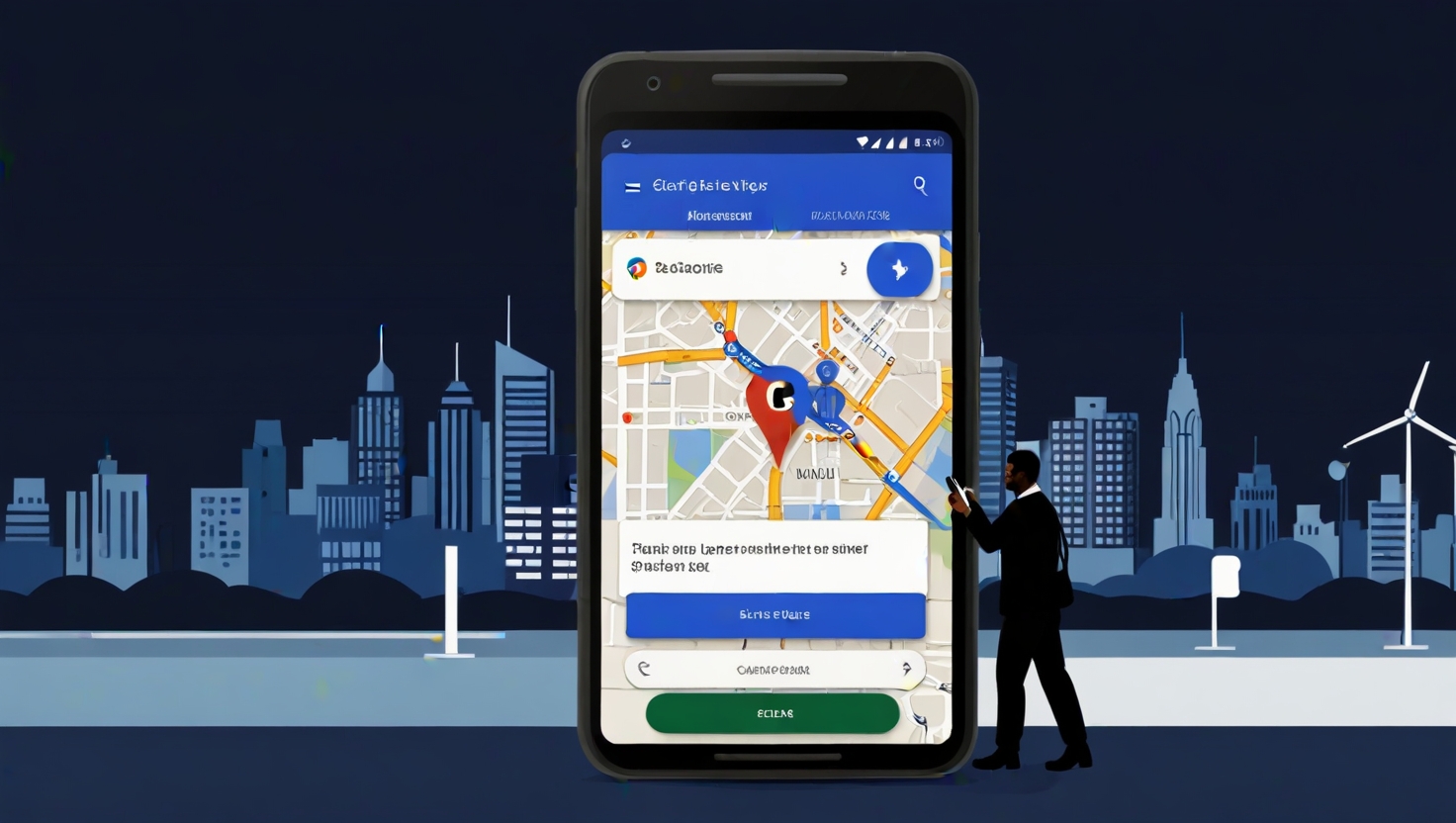
Local customers no longer follow one straight path from a search result to a purchase. They compare map listings, websites, reviews, social profiles, and conversational AI tools before choosing who to call, visit, or book. A knowledgeable Tampa SEO Company can help bring those channels together, but every business also needs a reliable process for keeping its public information useful and current.
Strong local visibility is not about chasing a single ranking. It is about making it easy for people and search systems to understand what the business offers, where it operates, why customers trust it, and how to take the next step.
Search Is Now Multi-Channel
A customer may search for “roof repair near me,” scan map results, read reviews, visit two websites, then ask an AI tool to compare options. That journey includes discovery, consideration, and contact. A high position may earn attention, but clear services, proof, and an easy contact path win the inquiry. Reporting on AI-powered business recommendations also shows why local information must work beyond conventional search pages.
Start With Accurate Business Information
Search platforms need matching details before they can confidently present a business. Audit the business name, address or service area, phone number, website, regular and holiday hours, services, payment methods, and categories everywhere customers may look.
- Check map listings, directories, social profiles, and trade association pages.
- Correct old phone numbers, moved addresses, duplicate listings, and inaccurate hours.
- Confirm that each profile links to the correct website page.
Conflicting details frustrate customers and undermine confidence in the information displayed.
Build A Website That Answers Real Questions
The website is where people verify what they found elsewhere. The home page should plainly explain what the business does, who it serves, and how to get help. Create separate pages for major services, keep contact details visible, and make every page quick and easy to use on a phone.
Location pages should add real value, such as local access details, service availability, parking, delivery boundaries, or neighborhood-specific concerns. Add FAQs based on actual calls and emails. Useful content helps a customer decide, rather than simply repeating city names.

Improve Visibility On Maps
Manage map profiles as actively as the website. Choose the most accurate primary category, add relevant secondary categories, write a plain-language description, and upload current photos of the team, location, products, or completed work. Update temporary closures and holiday hours promptly.
Review the listing from a customer’s perspective. Can someone quickly see the service area, hours, phone number, and next step? Distance matters, but relevance, profile quality, reviews, and customer actions also influence whether a listing earns attention.
Use Reviews As Proof
Ask customers for an honest review after a completed purchase or service, when the experience is still fresh. Specific feedback about the problem, process, communication, or outcome is more helpful than a one-word rating. Never create fake reviews or offer improper incentives.
For negative feedback, use a simple response structure: acknowledge the concern, remain calm, offer a practical next step, and invite the customer to continue private account details offline. Thoughtful replies show future customers that concerns are handled professionally.
Prepare For AI-Assisted Search
AI tools commonly summarize information found across public sources. Help them interpret the business by using complete, specific service descriptions, clear service areas, useful FAQs, and original examples of experience. Structured data can also help when it accurately reflects the page.
There is no guaranteed shortcut to an AI recommendation. The practical goal is dependable information that is easy to verify. For background on the broader practice, this overview of local search engine optimization explains how websites, listings, and local results intersect.
Create Content With Local Value
Publish resources that solve genuine local problems: seasonal maintenance advice, buying guides, scheduling and pricing explanations, service comparisons, case examples, and neighborhood access information. Strong local content includes details competitors cannot easily copy, such as area weather patterns, building types, travel constraints, or customer habits.
Measure What Matters
Traffic alone does not show whether local visibility is producing business. Track calls from listings, direction requests, form submissions, quote requests, appointment bookings, local-query impressions, click-through rates, review growth, and visibility in important service areas.
Compare results over several months. Seasonality, weather, promotions, competition, and demand can all affect local performance, so a short-term ranking change rarely tells the complete story.
Common Local Search Mistakes
- Publishing nearly identical pages for multiple cities.
- Using inaccurate categories or claiming areas not actually served.
- Leaving old hours, unanswered questions, or reviews unattended.
- Buying low-quality links or fake reviews.
- Tracking rankings without tracking leads and customer actions.
Quick fixes can create temporary movement, but lasting local visibility comes from accuracy, usefulness, and trust.
A Simple 90-Day Action Plan
Days 1-30: Clean The Foundation
Audit business information, correct categories and hours, review the website on mobile devices, and list the most frequently asked customer questions.
Days 31-60: Improve Customer Experience
Update priority service and location pages, add current photos, establish an ethical review request process, and publish one or two genuinely useful local resources.
Days 61-90: Test And Measure
Review calls, forms, map actions, and search impressions. Test clearer titles and calls to action, check common conversational search questions, and improve pages that receive visits but generate few inquiries.
Conclusion
Local visibility in 2026 depends on more than one platform or ranking. Accurate information, useful pages, complete map profiles, honest reviews, and clear answers help customers choose with confidence wherever they search. Consistent improvements will usually outperform short bursts of activity and promises of instant results.
