
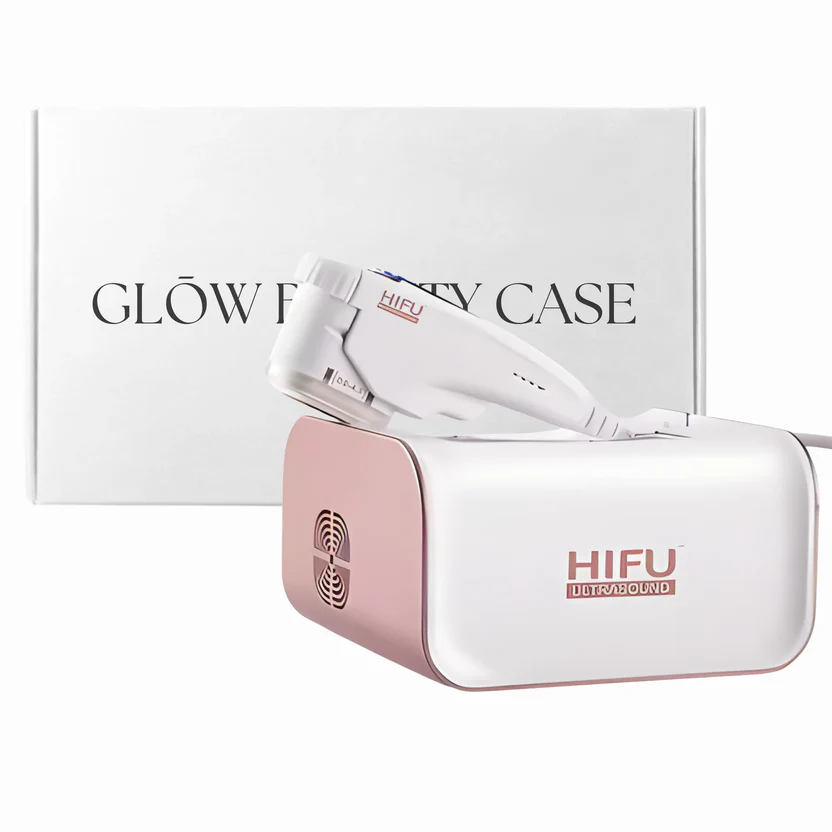
A youthful, firm appearance has long been associated with healthy skin. While surgical procedures remain an option for significant skin lifting, many people now prefer non-invasive treatments that require little to no downtime. Among these technologies, High-Intensity Focused Ultrasound (HIFU) has become widely recognized for its ability to target deeper skin layers without surgery.
Unlike treatments that focus only on the skin’s surface, HIFU reaches structural tissues beneath the skin, stimulating natural collagen production. This gradual process helps improve firmness, elasticity, and overall skin texture over time.
As aesthetic technology continues to evolve, non-invasive procedures have become increasingly popular for individuals seeking gradual and natural-looking improvements. HIFU is one of the leading innovations in this category because it delivers focused ultrasound energy precisely where collagen remodeling occurs.
To better understand modern hifu devices, it is helpful to first explore the science behind High-Intensity Focused Ultrasound, how treatments work, and the situations where this technology is commonly used.
What Is HIFU?
High-Intensity Focused Ultrasound (HIFU) is a non-invasive cosmetic technology designed to tighten and lift the skin using concentrated ultrasound energy. Instead of affecting the skin’s outer layer, HIFU targets specific depths beneath the surface where collagen production naturally occurs.
The controlled thermal energy creates microscopic treatment zones that trigger the body’s natural healing response. As collagen and elastin regenerate, the treated area gradually becomes firmer and smoother over the following weeks and months.
Since no incisions or injections are involved, HIFU has become an appealing option for individuals seeking gradual facial rejuvenation without extended recovery time.
How Does HIFU Technology Work?
The effectiveness of HIFU lies in its precision. Ultrasound energy is delivered at predetermined depths without damaging surrounding tissue.
The treatment process generally follows these steps:
- Ultrasound energy is focused beneath the skin.
- Target tissues are heated to therapeutic temperatures.
- Controlled thermal points stimulate collagen remodeling.
- Natural healing begins.
- New collagen develops over several weeks.
Unlike laser treatments that primarily affect the skin’s surface, HIFU reaches deeper structural layers responsible for firmness and support.
This deeper targeting makes HIFU different from many traditional facial treatments that mainly improve surface texture.
The Science Behind Collagen Production
Collagen is the primary structural protein that keeps skin firm, smooth, and elastic. Unfortunately, collagen production naturally decreases with age.
Reduced collagen may lead to:
- Fine lines
- Loose skin
- Wrinkles
- Sagging jawline
- Loss of facial definition
HIFU works by encouraging the body’s natural collagen-building process. Instead of artificially filling wrinkles, it supports gradual tissue regeneration from within.
Because collagen remodeling is a biological process, visible improvements usually appear progressively rather than immediately.
Areas Commonly Treated with HIFU
One of HIFU’s advantages is its versatility. The technology can be applied to several areas of the body where mild to moderate skin laxity exists.
Common treatment areas include:
Face
Facial treatments may focus on improving firmness around the cheeks, jawline, forehead, and temples.
Neck
The neck is often one of the earliest areas to show signs of aging. HIFU may improve the appearance of loose skin while encouraging collagen regeneration.
Chin
Many treatments target the area beneath the chin to enhance definition and reduce mild skin laxity.
Brow Area
Some individuals use HIFU to create a subtle lifting effect around the eyebrows, giving the eyes a more refreshed appearance.
Décolletage
The upper chest often develops wrinkles from aging and sun exposure. HIFU may improve skin texture and firmness in this area.
Advantages of Non-Invasive Skin Tightening
One reason HIFU has gained popularity is that it offers several practical advantages compared to surgical lifting procedures.
Potential benefits include:
- No surgical incisions
- Minimal recovery time
- No general anesthesia
- Gradual natural-looking improvements
- Stimulation of natural collagen
- Treatment sessions are relatively short
- Suitable for many facial areas
These advantages have made HIFU a preferred option for people seeking subtle rejuvenation without surgery.
Who May Benefit from HIFU?
HIFU is generally considered suitable for adults experiencing mild to moderate skin laxity.
Candidates often include individuals who notice:
- Early signs of facial aging
- Mild sagging around the jawline
- Reduced skin firmness
- Fine lines
- Loss of facial definition
However, severe skin laxity may require alternative treatment approaches, making professional consultation important before choosing any cosmetic procedure.
What Happens During a Typical Treatment?
Although treatment protocols vary, most HIFU sessions follow a similar process.
Consultation
The practitioner evaluates skin condition, treatment goals, and suitability.
Skin Preparation
The treatment area is cleansed thoroughly before ultrasound gel is applied.
Energy Delivery
A handheld applicator delivers focused ultrasound energy to selected tissue depths.
Completion
After treatment, the gel is removed and normal daily activities can usually resume.
Sessions may last anywhere from 30 minutes to 90 minutes depending on the treatment area.
What Does HIFU Feel Like?
Experiences vary between individuals.
Many people describe the sensation as:
- Mild warmth
- Brief tingling
- Tiny pulses beneath the skin
- Temporary discomfort in deeper treatment zones
The sensation generally lasts only while the ultrasound energy is being delivered.
Expected Results Timeline
Unlike treatments that produce immediate swelling-related changes, HIFU relies on gradual collagen remodeling.
Typical progression includes:
First Few Days
Some people notice slight firmness, although significant changes are uncommon.
Four to Eight Weeks
Collagen production becomes more active.
Skin may begin appearing smoother and tighter.
Two to Six Months
Many individuals observe the most noticeable improvements during this period as collagen continues developing naturally.
Factors That Influence Results
Several variables affect treatment outcomes.
These include:
- Age
- Skin quality
- Natural collagen levels
- Lifestyle habits
- Sun exposure
- Smoking
- Overall health
Individual responses differ because collagen production varies from person to person.
Safety Considerations
When performed correctly using appropriate protocols, HIFU is generally considered a safe cosmetic procedure.
Temporary effects may include:
- Mild redness
- Slight swelling
- Tenderness
- Temporary tingling
These effects usually resolve within a short period.
Proper training, accurate energy settings, and appropriate patient selection contribute significantly to treatment safety.
HIFU Compared with Other Skin Tightening Methods
Different technologies address skin rejuvenation in different ways.
| Treatment | Primary Technology | Downtime | Main Focus |
| HIFU | Focused Ultrasound | Minimal | Deep collagen stimulation |
| Radio Frequency | Heat Energy | Minimal | Surface and mid-layer tightening |
| Laser Treatments | Light Energy | Varies | Surface improvement |
| Surgical Facelift | Surgery | Longer | Significant lifting |
Each option has unique strengths depending on treatment goals and individual circumstances.
Skin Care After Treatment
Following good skincare practices may help maintain healthy skin.
Helpful recommendations include:
- Stay hydrated.
- Use sunscreen daily.
- Follow gentle skincare routines.
- Avoid excessive sun exposure.
- Maintain a balanced diet.
- Get adequate sleep.
- Follow any aftercare advice provided by your practitioner.
Healthy lifestyle habits support overall skin health and collagen maintenance.
Common Misconceptions About HIFU
Several myths surround ultrasound skin tightening treatments.
Myth: Results Are Instant
Reality: Most improvements develop gradually over weeks as collagen forms.
Myth: HIFU Replaces Surgery
Reality: HIFU is designed for mild to moderate lifting and is not intended to replace surgical facelifts.
Myth: Everyone Gets Identical Results
Reality: Individual outcomes vary depending on age, skin condition, and collagen production.
Myth: One Session Lasts Forever
Reality: Natural aging continues, and maintenance treatments may be recommended depending on individual goals.
Conclusion
HIFU represents an important advancement in non-invasive aesthetic technology by using focused ultrasound energy to stimulate the body’s natural collagen production. Rather than producing dramatic overnight changes, it encourages gradual improvements that develop over time, making results appear more natural.
As technology continues to evolve,understanding the capabilities and proper use of hifu devices helps individuals make informed decisions when considering non-invasive skin tightening and facial rejuvenation treatments.
Frequently Asked Questions
1. How long do HIFU results usually last?
Results vary depending on age, lifestyle, and skin condition. Many individuals experience gradual improvements over several months as collagen develops. Since the natural aging process continues, maintenance treatments may eventually be recommended to help preserve skin firmness and elasticity.
2. Is HIFU suitable for every skin type?
HIFU is generally considered suitable for many skin types because ultrasound energy targets deeper tissues without relying on skin pigmentation. However, suitability depends on individual skin conditions, medical history, and treatment goals, making a professional consultation an important first step.
3. Is there any downtime after HIFU treatment?
One advantage of HIFU is its minimal downtime. Most individuals return to normal daily activities immediately after treatment. Some temporary redness, swelling, or mild tenderness may occur, but these effects usually resolve within a short period without interrupting regular routines.
4. How many HIFU sessions are typically needed?
The number of sessions depends on the treatment area, skin condition, and desired outcome. Some individuals achieve satisfactory improvements after one treatment, while others may benefit from additional sessions or periodic maintenance based on their practitioner’s recommendations.
5. Can HIFU prevent future skin aging?
HIFU cannot stop the natural aging process, but it may help improve skin firmness by stimulating collagen production. Maintaining a healthy lifestyle, protecting the skin from excessive sun exposure, and following a consistent skincare routine can further support long-term skin health.
