
Key Takeaways
- Reproductive healthcare access varies significantly across the United States, influenced by state laws and federal policies.
- Recent legislative changes have led to the closure of numerous clinics, even in states where abortion remains legal.
- The defunding of organizations like Planned Parenthood has impacted services beyond abortion, including contraception and cancer screenings.
- Healthcare providers face increased challenges, including legal uncertainties and resource constraints, affecting patient care.
Introduction
An intricate web of legislation, political factors, and judicial decisions shapes access to reproductive healthcare in the United States. With changes in both federal and state laws, the landscape has become increasingly fragmented. This complexity presents a challenge for individuals seeking contraception, abortion, and preventive health services. As lawmakers and courts continue grappling with these pivotal issues, many people must navigate shifting regulations in search of essential care. One resource for those seeking guidance on available options is Northland Family Planning, which offers support and services in a constantly evolving environment.
Recent policy changes and funding reductions affecting reproductive healthcare providers have contributed to clinic closures, including in states where abortion services remain legal. The impact extends beyond abortion access, influencing the availability of contraception, preventive care, and essential health screenings. As a result, many individuals face increased barriers when seeking timely reproductive healthcare. This evolving landscape has made it increasingly important for people to understand their options and locate reliable providers, including abortion clinics in Michigan, where access to comprehensive reproductive health services remains a critical resource for patients seeking care and support.
State-Level Restrictions and Their Impact
State laws exert a powerful influence on access to reproductive healthcare services. States like Florida, for example, have introduced some of the nation’s most restrictive regulations regarding contraception. The state has expanded Medicaid slightly to include family planning, but broader health insurance coverage remains out of reach for many low-income residents. On top of this, state education authorities have mandated an abstinence-focused sex education curriculum, which limits information about contraception and reproductive health. These policies contribute to a landscape where the type of healthcare available depends heavily on geography and local politics.
The divergence in state policies also means that while some states have taken steps to protect or expand reproductive rights, others continue to restrict access, creating a patchwork of care that is inconsistent and unpredictable. Residents of states with restrictive laws must often travel long distances or navigate confusing bureaucratic hurdles to access basic healthcare, widening existing disparities and creating barriers that are especially difficult for low-income individuals.
Federal Policies and Clinic Closures
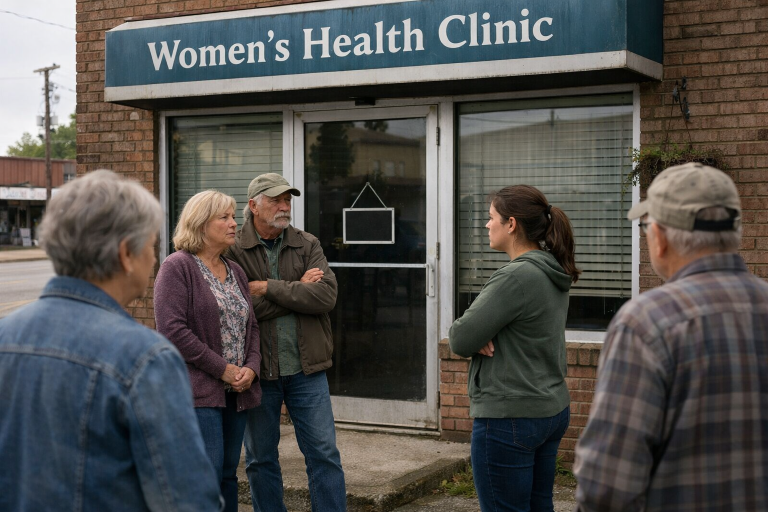
Decisions at the federal level have been equally consequential for reproductive health providers and their patients. Changes in funding policies, notably during the Trump administration, resulted in the withholding of Title X funds from key healthcare networks. The effects of this were stark in Michigan, where three clinics were forced to close between March 2024 and December 2025. These closures led to a loss of services that extended well beyond abortion, including access to affordable birth control, cancer screenings, and sexually transmitted infection testing and treatment.
As federal policy can rapidly shift with changing administrations, the uncertainty has created a volatile environment for clinics and patients alike. Organizations left to fill care gaps often find their resources strained. This instability threatens the availability of preventive healthcare nationwide, especially for patients who rely on subsidized or public health services.
Legal Challenges and Court Rulings
The legal framework for reproductive healthcare continues to change rapidly. In June 2025, the U.S. Supreme Court issued a landmark ruling allowing states to bar Medicaid payments to clinics affiliated with abortion providers, like Planned Parenthood. While Planned Parenthood is the leading provider of reproductive health services in the nation, this decision permits states to exclude these clinics from delivering vital medical screenings and other healthcare services for Medicaid patients. According to the Los Angeles Times, the decision sparked intense debate about the right to healthcare access and the practical effects on low-income women relying on Medicaid.
These court decisions have broad and immediate consequences. They not only impact the operations of individual clinics but also influence where and how patients can access care. For many regions, especially those already facing healthcare provider shortages, these rulings may mean the further withdrawal of reproductive health services, leaving entire populations underserved.
Consequences for Healthcare Providers
The increasing legal and political pressures on healthcare providers have significant consequences for the workforce that sustains reproductive healthcare. Physicians and staff working in jurisdictions with restrictive abortion laws report higher levels of anxiety and depression, a greater likelihood of considering leaving their practices, and general uncertainty about their ability to provide care without legal risk. This attrition can worsen existing shortages of physicians and qualified healthcare providers, resulting in heavier workloads for those who remain and potential lapses in patient care. The Washington Post highlights how this professional stress leads to staffing challenges that may force some clinics or hospitals to cut back services or close entirely.
As more healthcare professionals feel compelled to relocate or leave the field, the remaining providers must shoulder greater burdens. This dynamic not only affects reproductive healthcare but may also impact hospital emergency services and primary care, especially in underserved regions where every provider counts.
Impact on Patients
For patients, reduced availability of clinics and providers translates directly into longer wait times, increased travel distances, and higher personal expenses. These challenges are especially acute for low-income individuals and people living in rural areas, deepening existing health disparities. Many patients must defer or forego essential preventive care, increasing the risks of unintended pregnancies and untreated medical conditions. The closure of clinics means the loss of routine cancer screenings and STI testing, which can yield negative public health outcomes that extend far beyond reproductive health.
These barriers disproportionately harm already marginalized communities, making clear the vital importance of comprehensive reproductive healthcare access for the broader health and well-being of the population.
Looking Ahead
The future of reproductive healthcare access in the United States remains uncertain. It will be shaped by ongoing legal battles, evolving political priorities, and potential changes in both federal and state policies. Advocates and providers stress the importance of staying informed and involved in policy debates to protect and expand access to comprehensive reproductive healthcare. As the legal and political landscape continues to shift, individuals and organizations must adapt to ensure that essential healthcare services remain available to all who need them.
Conclusion
Access to reproductive healthcare in America today is deeply influenced by intersecting state and federal policies, court decisions, and the practical realities faced by patients and healthcare providers. Maintaining and expanding access to these vital services will require ongoing advocacy and policy innovation, as well as a commitment to addressing the unique needs of communities most affected by barriers to care.
