
In today’s textile industry, sustainability is no longer optional—it is essential. As brands search for environmentally responsible materials, seawool has emerged as a promising solution. But exactly what is seawool, and how does it differ from traditional fabrics?
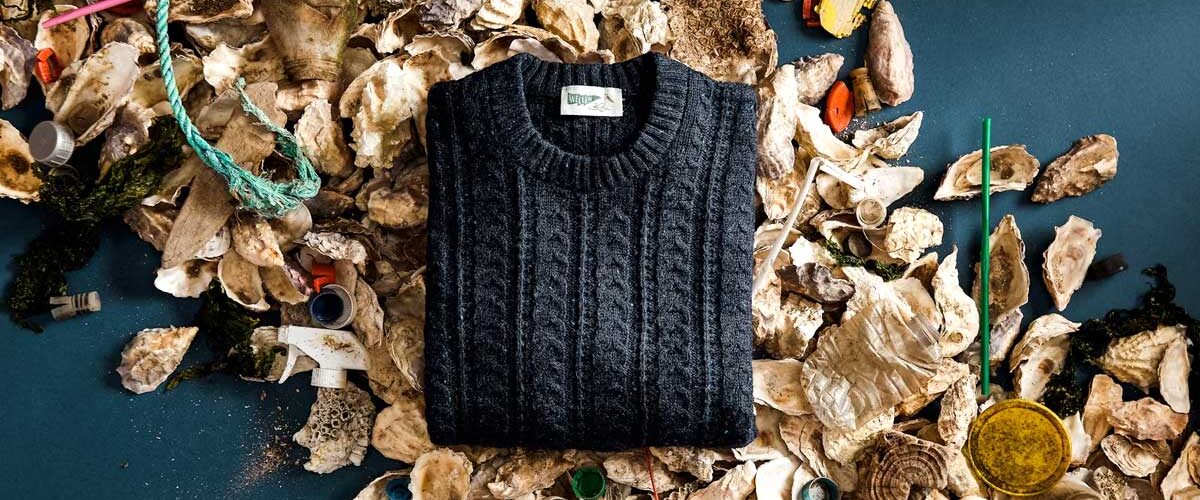
Seawool is a sustainable textile made by combining recycled oyster shells and plastic bottles into high-performance fibers. This innovative approach allows manufacturers to reduce waste while creating fabrics that meet modern performance standards.
What Is Seawool and Why Is It Unique?
When asking what is seawool, the uniqueness lies in its material composition and environmental impact.
Unlike conventional fabrics that rely on virgin resources, seawool is created from recycled materials. The use of oyster shells is particularly innovative, as it transforms marine waste into a functional component of textile production.
This combination of sustainability and performance makes seawool stand out among other eco-friendly materials.
Performance Benefits of Seawool
Beyond understanding what is seawool, it is important to recognize its functional advantages.
Seawool fabric offers excellent breathability, allowing air to circulate and maintain comfort throughout the day. It also provides lightweight insulation, helping retain warmth without adding bulk.
Another key benefit is its quick-drying capability, which makes it suitable for active lifestyles. Additionally, seawool is durable and easy to maintain, making it practical for everyday use.
These features make seawool a strong alternative to traditional wool and synthetic fabrics.
Environmental Impact and Sustainability
A major reason why people are interested in what is seawool is its environmental impact.
By reusing oyster shells and plastic waste, seawool helps reduce landfill waste and ocean pollution. This approach supports a more sustainable production model and aligns with global efforts to reduce environmental damage.
Furthermore, seawool contributes to the development of a circular economy, where materials are continuously reused instead of discarded.
Industry Applications of Seawool
Understanding what is seawool also means exploring its real-world applications.
Seawool is commonly used in sportswear due to its moisture-wicking and odor-resistant properties. It is also popular in travel clothing, where lightweight and quick-drying materials are essential.
In addition, fashion brands are adopting seawool to create sustainable collections that appeal to environmentally conscious consumers.
As demand for eco-friendly products continues to grow, seawool is becoming a valuable material across multiple industries.
To summarize, what is seawool? It is a next-generation textile that combines sustainability with performance. By transforming waste materials into high-quality fibers, seawool offers a practical solution to some of the challenges facing the textile industry today.
With its combination of environmental benefits and functional properties, seawool is poised to play a key role in the future of sustainable fashion and textile innovation.
