
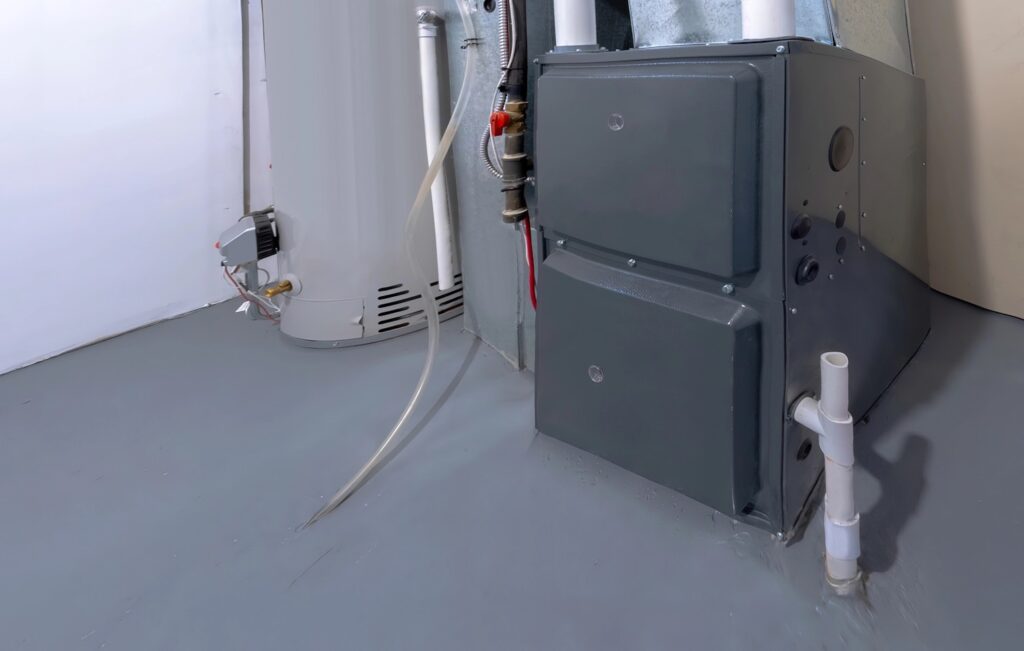
Many homeowners assume a new Calgary furnace installation is a simple upgrade that guarantees better comfort and lower bills. In reality, a furnace install involves far more than connecting a new unit to existing ducts and turning the system on. When something is overlooked during installation, the problems may not appear for weeks or even months. By the time a homeowner notices cold rooms, higher energy use, or unusual noises, the root cause often goes back to decisions made on the day the system was installed.
A new heating system should improve comfort, not create problems. Yet many Calgary homeowners experience early breakdowns or disappointing performance because crucial steps were skipped. These issues can be prevented when homeowners understand how installations actually work and what separates a good install from a poor one.
Installation mistakes often reveal themselves during the first real winter cold snap. When the cold arrives, problems related to airflow, venting, or sizing quickly become noticeable. At this point, homeowners may begin searching for Furnace repair in Calgary even though the system is relatively new. This can be frustrating and confusing, especially for those who assumed a new furnace meant years of worry free operation.
Why Furnace Installations Go Wrong More Often Than Homeowners Realize
Many people assume that all installation companies follow the same steps, use the same tools, and follow the same standards. The truth is that installation quality varies significantly. Some companies spend the time needed to evaluate airflow, measure duct pressure, and choose the right furnace size. Others rush through the job and focus solely on fitting the equipment into the mechanical room. The difference in results becomes obvious during the cold months when the furnace must operate for long stretches without rest.
A proper installation begins with understanding the home. This includes assessing insulation levels, verifying duct sizes, checking return air placement, and determining whether the old system had any performance issues. A poor performing system almost never improves if the new equipment is connected to the same problems without addressing them.
Homeowners often expect that upgrading equipment will solve airflow problems, cold rooms, or constant cycling. The truth is that a new furnace may actually magnify these problems if the underlying issues are not addressed before installation. The professional handling your install should take time to evaluate the home as an entire system, not just swap equipment.
These challenges are why many service companies that specialize in HVAC Calgary take a whole home approach to installation. They know that a furnace can only perform as well as the duct system allows. When airflow is restricted, pressure increases inside the furnace and the new equipment struggles to keep the home warm.
Common Furnace Install Issues Calgary Homeowners Never Expect
1. The Furnace Is Oversized for the Home
Bigger is not always better. A furnace that is too powerful for the home heats too quickly and shuts off before the air has circulated evenly. This leads to cold rooms, noisy ducts, and premature wear. Proper sizing is essential for consistent comfort. An oversized furnace may create comfort problems that feel like airflow issues when the real cause is the size of the equipment.
2. Airflow Problems That Were Never Addressed
Installations often fail because airflow was never measured. Calgary has many older homes with narrow ducts that restrict air movement. When a high efficiency furnace is installed on a poorly designed system, it will struggle. This can lead to overheating, short cycling, and uncomfortable temperature swings. Airflow testing is a crucial step that many companies skip.
3. Incorrect Venting Placement
Modern high efficiency furnaces require specific venting slopes and clearances. If the vent pipes are not sloped correctly, moisture can collect and freeze. Incorrect vent termination can also cause exhaust to re enter the system. These mistakes may not be visible to homeowners but create major performance issues during winter.
4. Poor Thermostat Location
Many homes still have thermostats placed near doors, windows, or heat sources. When a new furnace is installed without reviewing thermostat placement, the system may cycle based on inaccurate temperature readings. This leads to discomfort and unnecessary energy use.
5. Ignoring Old Duct Problems
Some installers focus on the equipment and ignore duct leaks, blocked returns, or poorly sealed joints. Any of these problems can make a new furnace work harder than necessary. Without addressing duct issues, the furnace cannot deliver its full performance.
Warning Signs Your Furnace Was Installed Incorrectly
Incorrect installations often show subtle signs weeks before they become serious problems. Homeowners should pay attention to these early indicators because they can prevent bigger repairs later.
Uneven Temperatures Throughout the Home
If some rooms feel warm while others remain cold, it may indicate airflow restrictions or improper furnace sizing.
The Furnace Turns On and Off Frequently
Rapid cycling is often caused by poor airflow, incorrect temperature rise, or an oversized unit.
Strange Noises During Operation
Booming, rattling, or whistling sounds can indicate pressure issues, duct restrictions, or faulty venting.
Higher Than Expected Energy Bills
A new furnace should lower heating costs. If bills rise instead, the system may be working harder than it should.
The Home Never Feels Truly Warm
This is often a sign that airflow problems or duct issues were never addressed during installation.
How a Professional Diagnoses Installation Problems
A skilled technician begins by listening to the homeowner’s experience. They then inspect airflow, duct condition, temperature rise, and venting. Tools such as manometers and temperature probes help identify whether the furnace is operating within its required specifications.
A thorough assessment may reveal issues like
- Blocked or undersized return ducts
- Incorrect blower settings
- Venting that does not meet code
- Pressure issues inside the duct system
- Uneven temperature rise caused by airflow limitations
By identifying these problems early, the technician can offer solutions that restore comfort and efficiency.
Preventing Installation Issues Before They Happen
The best way to avoid installation problems is to choose a company that evaluates the home before offering equipment options. A professional will ask questions about comfort issues, air quality, and energy costs. They will inspect ducts, measure airflow, and calculate heat loss. These steps ensure that the furnace selected is appropriate for the home and that the installation supports long term performance.
Homeowners should also ask about post installation checks. A reputable company tests the system thoroughly before leaving. This includes verifying temperature rise, checking static pressure, confirming venting, and ensuring all safety features work correctly.
Conclusion
A new furnace should be an investment in comfort, safety, and efficiency. Yet many Calgary homeowners experience problems because installation mistakes were made or underlying issues were ignored. Understanding how installs go wrong and learning to recognize the early signs of trouble can help you protect your home and avoid unnecessary repairs. With the right team and a careful installation process, your heating system can deliver reliable comfort through even the coldest Calgary winters.
